
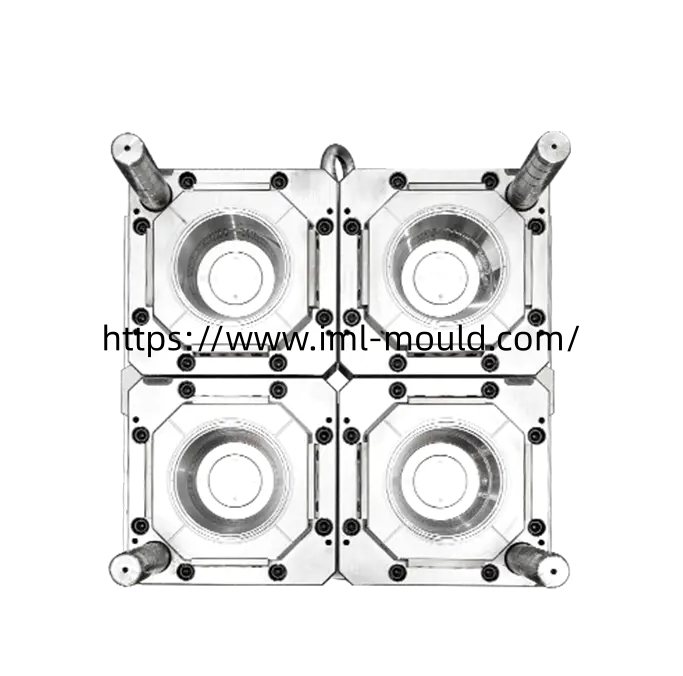
Plastic containers are used across packaging, household storage, food service, personal care, and industrial applications, with each category placing different demands on product shape and construction. A well-developed Container Mould helps translate a container concept into a repeatable manufacturing process, shaping its walls, base, opening, and structural details. Material compatibility, cavity geometry, cooling, release, and surface quality must work together to support the intended product.
Mold material selection influences tooling durability and maintenance. Tool steel is often considered for production molds that require a stable cavity surface and resistance to repeated wear. Other tooling materials may suit particular development stages or production requirements. The decision should reflect the resin being processed, the container's structural complexity, the expected manufacturing conditions, and the required finish. Choosing tooling material based only on general reputation can overlook the practical needs of the specific product.
The container resin is equally important. Different plastics behave differently as they flow into the cavity, cool, and contract. Some applications prioritize clarity and appearance, while others place more emphasis on toughness, flexibility, or resistance to the product stored inside. Mold designers need to understand the selected resin before finalizing cavity dimensions and processing arrangements. For packaging intended to contact food, cosmetics, or other sensitive contents, material suitability and applicable product requirements must also be considered.
Product definition should begin with the container's purpose. A container designed for dry goods may require different structural features from one intended for liquids, personal care products, or industrial components. Buyers should identify how the container will be filled, closed, stored, transported, and opened. These use conditions influence the shape of the body, the design of the opening, the connection with the lid, and the support required at the base.
Cavity geometry affects both appearance and manufacturability. Wall transitions, corners, ribs, handles, necks, and threaded openings can introduce different challenges during molding. Sudden changes in wall thickness may contribute to uneven cooling or visible surface defects. Thoughtful geometry helps the resin fill the cavity and allows the finished container to release properly. Designers should consider structural function alongside the appearance of the product rather than treating the two as separate concerns.
The feeding system determines how molten resin enters and moves through the cavity. Gate location and runner arrangement can influence material distribution, the formation of weld lines, and the appearance of the gate area. The most suitable arrangement depends on the container's shape, resin behavior, and production process. Careful planning can help reduce filling difficulties and support more consistent formation across the body and other features.
Cooling is another major element of mold engineering. The container must lose heat in a controlled way before it can be removed from the cavity. Differences in cooling conditions may contribute to warping, shrinkage variation, or an uneven finish. Cooling channels should therefore be considered in relation to the container's geometry and the material being processed. Effective thermal management supports product consistency and can influence the stability of the overall production cycle.
Ejection design matters because containers often include deep cavities, narrow openings, or shaped surfaces that can complicate release. Ejector components must remove the molded part without leaving unwanted marks or distorting the product. The choice and placement of these components should reflect the container's stiffness, contact areas, and surface requirements. Mold release should be considered during the early design stage, not added as a last-minute adjustment after tooling is completed.
Surface finish affects the container's appearance and its interaction with users. A smooth exterior may suit premium packaging, while textured areas can improve grip or create a recognizable visual identity. The cavity finish should match the intended design and remain compatible with the selected resin. For containers that need labels, printing, or decorative treatments, manufacturers should also consider how the molded surface will interact with subsequent finishing processes.
User experience begins with the way the container is held, opened, filled, and stored. Grip areas, rounded edges, stable bases, and accessible openings can make the product more convenient. Lid compatibility is particularly important because the container and closure need to function as a coordinated system. Designers should assess these features together, ensuring that visual styling does not compromise handling or practical use.
Manufacturing quality depends on inspection and ongoing maintenance. Mold cavities, vents, cooling passages, gate areas, and ejection components may collect residue or experience wear. Regular checks can help identify surface damage, blockages, or changes that could affect the molded product. A planned maintenance approach also helps manufacturers keep tooling in suitable condition and reduce unexpected interruptions during production.
Design differentiation provides opportunities for brands serving different markets. Containers may feature distinctive shoulders, integrated grips, decorative contours, transparent sections, or other details that distinguish one product line from another. Such features must remain practical to mold and compatible with the intended resin. Early communication between product designers and mold engineers can help align creative concepts with manufacturing feasibility.
Ningbo Hengqi Precision Mould Co., Ltd. focuses on precision mold development and manufacturing for plastic product applications. When planning container tooling, manufacturers can discuss resin selection, cavity layout, gate placement, cooling, ejection, surface finishing, and maintenance needs with their mold supplier. Clear product drawings, samples, and information about the intended use can help establish a shared understanding of the design and production requirements.
During trial production, sample containers can be reviewed for shape consistency, surface appearance, opening and closure fit, stability, and ease of handling. Observations from these evaluations can guide adjustments to the tooling before regular manufacturing begins. Further information about Ningbo Hengqi Precision Mould Co., Ltd. and its mold development services is available at https://www.iml-mould.com/.

 English
 Arabic
 French
 Portuguese
 Deutsch
 Turkish
 Dutch
Dutch
 Italiano
 Russian
 Romaian
 Portuguese (Brazil)
 Tiếng Việt