
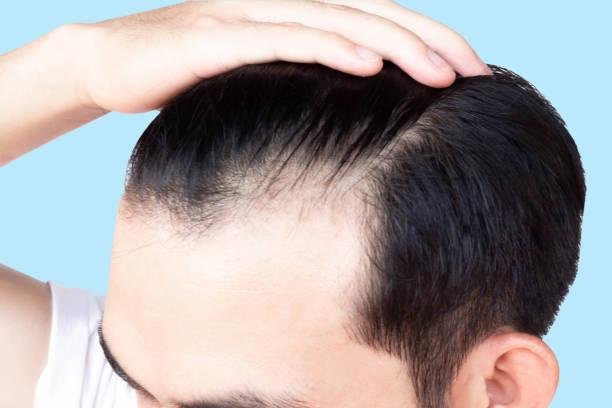
Preparing properly for a PRP hair treatment session can help ensure that the procedure is carried out safely and that your scalp is ready for treatment. PRP uses platelet-rich plasma prepared from your own blood and injected into selected areas of the scalp. If you are considering prp riyadh, understanding the preparation process can help you feel more comfortable and informed.
Start With a Professional Consultation
Before your first PRP session, a qualified healthcare professional should evaluate your hair and scalp. The consultation may include a review of your hair-loss pattern, medical history, medications, supplements, and previous treatments.
This assessment helps determine whether PRP is appropriate for your type of hair thinning.
Discuss Your Medical History
Share Relevant Health Information
Tell your healthcare professional about any medical conditions, allergies, blood-related disorders, scalp conditions, or previous procedures.
This information can help identify factors that may affect treatment suitability or recovery.
Mention All Medications and Supplements
Provide a complete list of prescription medications, over-the-counter products, vitamins, and supplements you take.
Some medications and supplements can affect bleeding or bruising, so your provider should know about them before treatment.
Do not stop prescribed medication on your own. Any changes should only be made if specifically recommended by your healthcare professional.
Keep Your Scalp Clean
Arriving with a clean scalp can make it easier for the provider to prepare the treatment area.
Follow your clinic's instructions regarding shampooing and scalp products before your appointment.
Avoid Applying Unnecessary Hair Products
Heavy styling products, oils, gels, sprays, or other products may make scalp preparation more difficult.
Unless your provider gives different instructions, it is generally preferable to arrive with the scalp free of unnecessary styling products.
Avoid Irritating the Scalp
Try not to scratch, aggressively massage, or exfoliate the scalp immediately before your appointment.
If you have irritation, sores, inflammation, or an active scalp infection, inform your healthcare professional before treatment.
Stay Hydrated
Maintaining normal hydration is a sensible part of preparing for a blood draw and treatment.
Drink water as you normally would unless you have been given different instructions because of a medical condition.
Eat Normally Unless Advised Otherwise
PRP involves collecting a small blood sample. Unless your healthcare professional has instructed you to fast for another medical reason, you can generally follow your normal eating routine.
A balanced meal before an appointment may help you feel comfortable during the blood collection.
Avoid Alcohol Before Treatment
Your healthcare professional may recommend avoiding alcohol before treatment because it can potentially contribute to dehydration and may influence bruising.
Follow the specific timeframe recommended by your provider.
Be Careful With Medications That Affect Bleeding
Certain medications and supplements can influence bleeding or bruising. Examples can include some blood-thinning medications and particular supplements.
Do not discontinue prescribed medication without medical guidance. Your provider can advise you on what is appropriate based on your health and treatment plan.
Avoid Unnecessary Scalp Treatments Before PRP
Chemical Treatments
Hair coloring, bleaching, chemical straightening, or other treatments that may irritate the scalp may need to be avoided around the time of your PRP session.
Aggressive Scalp Procedures
Treatments that cause significant scalp irritation should not be performed close to a PRP session unless your healthcare professional approves them.
What Should You Wear?
Choose comfortable clothing that allows easy access to your arm for blood collection.
There is generally no need for special clothing, but comfort can make the appointment easier.
Prepare Your Questions
Before the appointment, consider writing down questions about:
- The cause of your hair loss
- Whether PRP is suitable for you
- The expected treatment process
- Possible side effects
- Aftercare
- Expected results
- Follow-up sessions
- Other treatment options
Having these questions ready can help you make informed decisions.
Understand What Happens During the Session
A typical PRP appointment involves three main steps:
Blood Collection
A small amount of blood is collected from your arm.
PRP Preparation
The blood sample is processed to separate platelet-rich plasma from other blood components.
Scalp Injections
The prepared PRP is injected into selected areas of the scalp experiencing thinning or reduced density.
The exact technique depends on your individual treatment plan.
Plan Your Schedule
Although PRP is minimally invasive, you may experience temporary scalp tenderness, redness, sensitivity, or mild swelling afterward.
If possible, avoid scheduling demanding activities immediately after treatment until you know how your scalp responds.
Understand That Results Are Gradual
Preparing for PRP also means having realistic expectations. The treatment does not produce instant hair growth.
Hair follicles follow a natural growth cycle, so any improvement in hair thickness or density develops gradually.
Know That Multiple Sessions May Be Recommended
Some patients may undergo a series of PRP treatments rather than relying on a single session.
The number and timing of sessions depend on the cause and stage of hair loss, follicle health, treatment goals, and individual response.
Who May Be Suitable for PRP?
PRP may be considered for people with certain types of non-scarring hair loss who still have viable hair follicles.
It may have limited potential where follicles have been permanently lost, making professional assessment particularly important.
Preparing for PRP as a Man
Men experiencing pattern hair loss may be evaluated for PRP when thinning follicles remain viable.
Discuss your hair-loss history, medications, and previous treatments with your healthcare professional before beginning the procedure.
Preparing for PRP as a Woman
Women may experience hair thinning due to genetic, hormonal, nutritional, medical, or other factors.
Because the cause can vary significantly, women should discuss changes such as pregnancy, postpartum hair shedding, menopause, hormonal conditions, or nutritional concerns with their healthcare professional when relevant.
What Not to Do Before Your Session
Depending on your provider's instructions, you may be advised to avoid:
- Excessive alcohol consumption
- Unnecessary scalp irritation
- Aggressive scalp massage
- Heavy styling products
- Certain cosmetic scalp treatments
- Changing prescribed medications without medical guidance
Your provider's personalized instructions should take priority.
What to Bring to Your Appointment
It can be helpful to bring or have available:
- A list of medications
- A list of supplements
- Relevant medical information
- Details of previous hair treatments
- Questions about the procedure
- Information about your hair-loss history
This can help make the consultation and treatment planning more efficient.
Possible Side Effects to Expect
Temporary reactions after PRP may include:
- Scalp tenderness
- Redness
- Mild swelling
- Bruising
- Sensitivity
- Minor discomfort
These effects can vary between individuals.
Why Professional Preparation Matters
PRP is minimally invasive, but it still involves blood collection and multiple scalp injections. Proper assessment and preparation help your healthcare professional identify potential concerns and provide appropriate treatment and aftercare instructions.
Setting Realistic Expectations
PRP Hair Treatment in Riyadh may support existing hair follicles in suitable patients with certain types of hair thinning. Good preparation can help make the treatment process smoother, but it cannot guarantee a particular hair-growth result.
The potential outcome depends on factors such as the cause of hair loss, follicle health, treatment protocol, and individual response.
Book an Appointment With Royal Clinic Saudia
If you are considering PRP and want personalized guidance on how to prepare for your session, Royal Clinic Saudia can provide a consultation. The medical team can assess your hair and scalp and explain the appropriate preparation, treatment, and aftercare steps for your individual needs.
FAQs:
Should I wash my hair before PRP treatment?
Follow your provider's instructions. A clean scalp is generally helpful, but your clinic can advise you on the appropriate timing and products.
Can I take my regular medications before PRP?
Do not stop prescribed medication without medical advice. Tell your healthcare professional about all medications and supplements you use so they can provide appropriate guidance.
Should I avoid alcohol before PRP?
Your provider may recommend avoiding alcohol before treatment because it can contribute to dehydration and may influence bruising.
Can I eat before a PRP hair treatment session?
Unless you have been specifically instructed to fast, you can generally follow your normal eating routine. A balanced meal may help you feel comfortable during the blood collection.

 English
 Arabic
 French
 Portuguese
 Deutsch
 Turkish
 Dutch
Dutch
 Italiano
 Russian
 Romaian
 Portuguese (Brazil)
 Tiếng Việt