
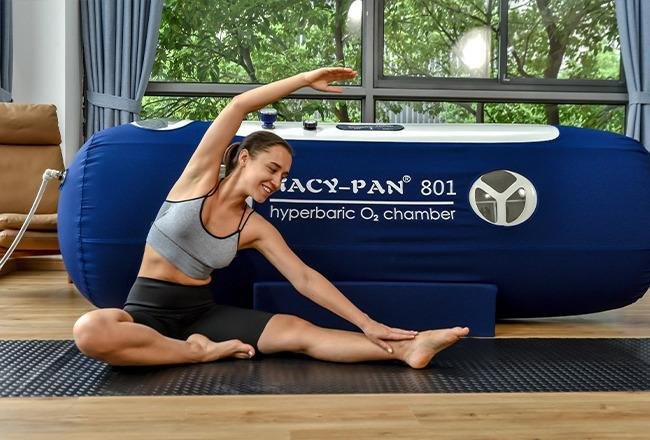
A hyperbaric oxygen chamber 1.5 ATA is a popular option among buyers researching home-oriented hyperbaric equipment. The 1.5 ATA pressure level sits above normal atmospheric pressure and is commonly associated with soft-shell and portable chamber designs. However, buyers should understand that pressure alone does not determine whether a particular chamber is appropriate for a specific purpose.
At Warrior Willpower, we believe selecting specialized wellness equipment should begin with clear product information. Chamber construction, oxygen delivery, pressure consistency, dimensions, safety systems, accessories, warranty, and manufacturer instructions all deserve attention before making a purchase. The Undersea & Hyperbaric Medical Society distinguishes mild hyperbaric exposures from established clinical HBOT, so buyers should also understand the difference between home-oriented equipment and medically supervised treatment.
What Does 1.5 ATA Mean?
ATA stands for atmospheres absolute and describes the total pressure inside a chamber relative to standard atmospheric pressure. A chamber operating at 1.5 ATA therefore creates a pressure environment higher than ordinary sea-level atmospheric pressure. This specification is useful when comparing equipment because different chambers can operate at different pressure levels.
A hyperbaric oxygen chamber 1.5 ATA should not be evaluated only by its maximum pressure. The breathing gas, chamber design, oxygen concentration, pressure control, and intended application are also important. UHMS guidance notes that scientifically supported hyperbaric treatments are generally delivered at pressures between 1.9 and 3.0 ATA, while exposures below 1.5 ATA are categorized by UHMS as mild hyperbaric oxygen and considered unproven for medical purposes.
Why Is 1.5 ATA Popular for Home Chambers?
One reason 1.5 ATA models attract attention is that this pressure level is available in several home-oriented soft-shell designs. Current products on the market include portable lying chambers that specify maximum pressures of 1.5 ATA, with some models offering adjustable settings below that level. This makes the specification relevant to buyers looking for equipment designed around residential use.
However, popularity should not be confused with universal suitability. A chamber designed for home wellness is not automatically equivalent to equipment used in a clinical hyperbaric facility. Buyers should verify the exact model's intended use, regulatory status, oxygen-delivery configuration, and operating instructions rather than assuming that every 1.5 ATA product provides the same type of therapy.
Features to Consider Before Buying
When comparing a hyperbaric oxygen chamber 1.5 ATA, start with the chamber's construction and pressure-control system. Soft-shell models may use flexible materials with internal frames, valves, viewing windows, and air-release systems. These components can influence pressure stability, accessibility, comfort, and the overall experience of operating the equipment.
Interior size is another important factor. Some current 1.5 ATA portable chambers are designed for lying use and offer different diameter choices, while other models may use a sitting configuration. Buyers should measure the intended room, consider the user's preferred position, and review the complete equipment package before choosing a model.
- Compare pressure rating, chamber dimensions, construction, oxygen system, and controls.
- Check the included accessories, warranty, maintenance requirements, and support.
- Measure the available room and delivery route before ordering.
- Confirm the exact intended use and operating instructions for the model.
Soft-Shell 1.5 ATA Chamber Options
Soft-shell construction can be appealing for home users because it may provide a more flexible alternative to large rigid equipment. Current 1.5 ATA models on the market include lay-flat chambers made from flexible materials, with features such as pressure gauges, safety valves, air-release systems, mattresses, and oxygen concentrators depending on the product.
The exact construction varies between manufacturers, so buyers should not assume that every soft chamber provides identical protection or performance. Examine the material specifications, zipper or closure system, seams, pressure controls, emergency release features, and manufacturer's testing information. A detailed product specification is more useful than relying on general descriptions such as “professional” or “premium.”
Oxygen Delivery and Chamber Pressure
Pressure and oxygen concentration are two separate factors that should be understood together. Hyperbaric oxygen therapy, as defined by UHMS, involves breathing near-100% medical-grade oxygen while enclosed in a chamber at a pressure greater than 1 ATA. Therefore, simply reaching 1.5 ATA does not by itself establish that a device provides clinical HBOT.
Some home products use an oxygen concentrator that supplies enriched oxygen through a breathing system, while others may use chamber air depending on their design and regulatory instructions. Buyers should carefully confirm how oxygen is delivered with the exact model. Never add supplemental oxygen to a chamber unless the manufacturer specifically designs and authorizes that configuration.
Home Setup and Space Requirements
A 1.5 ATA chamber intended for home use still needs a suitable environment. Before delivery, measure the available floor space and the route through which the chamber will enter the property. Doorways, stairs, hallways, corners, and ceiling height can all influence whether a particular model can be installed conveniently.
The operating area should also provide enough room for the chamber's compressor, oxygen equipment, electrical connections, and user access. Keep the surrounding space organized and follow the manufacturer's requirements for ventilation, temperature, cleaning, storage, and maintenance. Preparing these details in advance can make the setup more practical.
Safety Considerations for 1.5 ATA Equipment
Safety should remain a priority regardless of pressure level. The FDA has warned about serious injuries and deaths associated with hyperbaric oxygen devices and recommends following manufacturer instructions, maintaining fire-prevention measures, using appropriate grounding, completing required maintenance, and avoiding prohibited electrical or static-generating items.
Oxygen-rich environments can increase fire risk, making proper equipment selection and operating procedures essential. Users should follow the manufacturer's restrictions regarding clothing, electronics, cleaning products, electrical devices, and other materials. Do not modify a chamber or introduce unapproved accessories simply because they appear compatible with another system.
1.5 ATA Versus Higher-Pressure Chambers
A 1.5 ATA chamber occupies a different position in the hyperbaric equipment market from higher-pressure rigid systems. Many home-oriented soft chambers use pressure around this level, while larger clinical chambers can operate at substantially higher pressures under professional supervision. The difference involves more than the number displayed on the pressure gauge.
UHMS guidance states that scientifically supported hyperbaric treatments are usually delivered between 1.9 and 3.0 ATA and distinguishes these treatments from mild hyperbaric exposure. This means buyers should avoid assuming that a 1.5 ATA home chamber is interchangeable with clinical HBOT equipment.
How to Choose the Right Model
Start by identifying what matters most for your setup. Consider whether you want a sitting or lying chamber, how much room is available, which accessories are included, and what pressure range the manufacturer specifies. The chamber's operating requirements should fit naturally into the space rather than forcing you to reorganize an unsuitable environment.
Next, examine the seller's documentation and support. Warranty coverage, replacement parts, technical assistance, delivery arrangements, and maintenance guidance can have a significant effect on long-term ownership. When evaluating a hyperbaric oxygen chamber 1.5 ATA, compare the complete package rather than selecting a model simply because its advertised price appears attractive.
- Verify the exact model specifications before making a purchase.
- Ask which accessories are included in the quoted price.
- Review warranty, maintenance, delivery, and technical support.
- Confirm that the intended use matches the manufacturer's instructions.
Why Choose Warrior Willpower?
Warrior Willpower focuses on making hyperbaric equipment easier to understand for buyers who are researching home wellness options. Rather than concentrating on one specification, customers can consider the complete picture, including chamber design, pressure, comfort, accessories, safety information, and long-term support.
If you are researching a hyperbaric oxygen chamber 1.5 ATA, taking time to compare these factors can help you make a more informed decision. Product specifications should always be checked for the exact model because pressure capability, oxygen delivery, construction, and included equipment can vary between manufacturers and configurations.
Conclusion
A hyperbaric oxygen chamber 1.5 ATA can be an option for buyers exploring home-oriented hyperbaric equipment, particularly among soft-shell and portable designs. The 1.5 ATA specification describes the chamber's pressure level, but it should not be treated as a complete description of the equipment or its medical capabilities.
Warrior Willpower recommends reviewing the exact chamber specifications, oxygen-delivery system, construction, safety features, dimensions, accessories, warranty, and intended use before purchasing. The FDA emphasizes careful adherence to manufacturer safety instructions, while UHMS distinguishes mild hyperbaric exposure from established clinical HBOT. For medical applications, qualified healthcare guidance should be obtained before using hyperbaric equipment.

 English
 Arabic
 Spanish
 Portuguese
 Deutsch
 Turkish
 Dutch
Dutch
 Italiano
 Russian
 Romaian
 Portuguese (Brazil)
 Tiếng Việt