
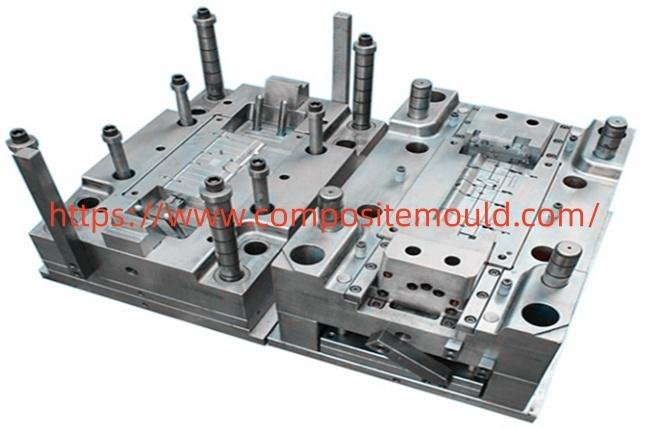
SMC Mould Supplier selection becomes important when a composite project requires tooling designed around specific geometry, material behavior, and production conditions. Sheet Molding Compound is commonly processed through compression molding, where prepared composite material is placed into a cavity and formed under heat and pressure. Because the process involves material flow, curing, heating, venting, and release, the tooling needs to be planned around the finished component and the intended manufacturing process. Finding a suitable manufacturing partner therefore requires more than comparing basic quotations.
Start With Your Component Information
The search should begin with the component itself. Prepare available 2D drawings, 3D models, dimensions, surface requirements, material information, production quantities, and special structural features.
Ribs, bosses, mounting points, curved sections, openings, and recessed areas can all influence cavity construction. Sharing these details early gives the manufacturer a clearer basis for evaluating the tooling concept.
A complete project brief can also make communication easier because every potential partner can review the same technical information before preparing a proposal.
Check Compression Molding Experience
Different molding processes require different tooling considerations. Buyers should check whether the manufacturer has experience with compression molding and composite materials rather than relying only on general plastic tooling experience.
During SMC processing, the prepared material is positioned within the cavity and compressed while heat supports the curing process. Cavity geometry, temperature distribution, pressure, material placement, and release arrangements therefore need to work together.
A manufacturer familiar with these requirements can contribute useful engineering suggestions before machining begins.
Review Engineering Capabilities
Custom tooling often requires several rounds of technical communication. Ask whether the manufacturer can review drawings, discuss component structure, and identify potential manufacturing concerns.
For example, deep sections may require careful consideration of material placement and release. Components containing multiple ribs may require attention to material flow and venting. Surface requirements can also affect cavity treatment.
Compositemould provides composite tooling solutions based on customer requirements and presents SMC and BMC tooling for applications including automotive components. Its published information covers different cavity arrangements, heating systems, and ejection methods. (compositemould.com)
Examine Heating And Venting
Temperature control is an important consideration during compression molding. Uneven heating can affect curing conditions, while inadequate venting may allow air or gases to remain inside the cavity.
When comparing manufacturers, ask how heating zones are planned and how vent locations are determined. The answers can provide insight into whether the tooling has been considered as part of the complete molding process.
The same principle applies to cooling, depending on the production method and tooling structure. Thermal management should be discussed before the final design is approved.
Consider Surface Finish And Release
The cavity surface can influence the appearance of the finished composite component. For visible products, buyers may need to specify surface texture, polish, gloss requirements, or other finishing expectations.
Release is another practical concern. Complex shapes should be designed so that the cured component can leave the cavity without unnecessary damage or deformation.
During technical discussions, manufacturers can review parting lines, draft considerations, ejector locations, and other details that may affect demolding.
Ask About Inspection And Trial Production
Tooling quality involves more than machining the cavity to a drawing. Buyers can ask about dimensional inspection, assembly checks, surface inspection, trial molding, and adjustment procedures.
A trial run can provide useful information about material flow, surface appearance, release behavior, and dimensional results. If an adjustment is required, identifying it during this stage can make subsequent production easier to coordinate.
For larger projects, it can also be helpful to confirm the approved tooling configuration and inspection results before shipment.
Match The Tooling To The Application
SMC components are used across automotive, electrical, construction, transportation, and industrial applications. Different sectors can require different design priorities.
Automotive parts may involve curved panels, mounting features, and specific surface requirements. Electrical housings may require openings, ribs, mounting structures, and enclosure features. Construction components can involve larger dimensions and installation considerations.
Therefore, buyers should evaluate the tooling manufacturer according to the actual component rather than simply looking at whether the company serves a particular industry.
Discuss Production Requirements Early
Production volume can influence tooling decisions. A project intended for repeated manufacturing may require different considerations from a small development order.
Share expected quantities, molding equipment information, cycle expectations, material formulation, and component requirements during the initial discussion. These details can help the engineering team consider whether the tooling design fits the planned manufacturing workflow.
Clear communication at this stage can also reduce changes after machining has started.
Why Consider Compositemould?
Compositemould focuses on composite and injection tooling, providing design and manufacturing services for projects requiring customized mold solutions. Its SMC and BMC tooling information covers applications involving compression molding and different component requirements.
For buyers, working through drawings, material information, production conditions, heating requirements, ejection arrangements, and surface expectations can create a more organized path from concept to finished tooling.
The right manufacturing partner should be able to discuss both the component and the molding process rather than treating the cavity as an isolated product.
Make The Final Decision Based On Project Fit
A practical comparison should include engineering communication, compression molding experience, cavity design, heating arrangements, venting, ejection, surface treatment, inspection procedures, trial production, packaging, and delivery planning.
The goal is to identify a manufacturer whose capabilities correspond with the actual requirements of your composite component. Reviewing technical information before discussing prices can also make the purchasing process more efficient.
For companies planning custom composite tooling for automotive, electrical, construction, transportation, or industrial applications, Compositemould provides related product and project information at https://www.compositemould.com/

 English
 French
 Spanish
 Portuguese
 Deutsch
 Turkish
 Dutch
Dutch
 Italiano
 Russian
 Romaian
 Portuguese (Brazil)
 Tiếng Việt