
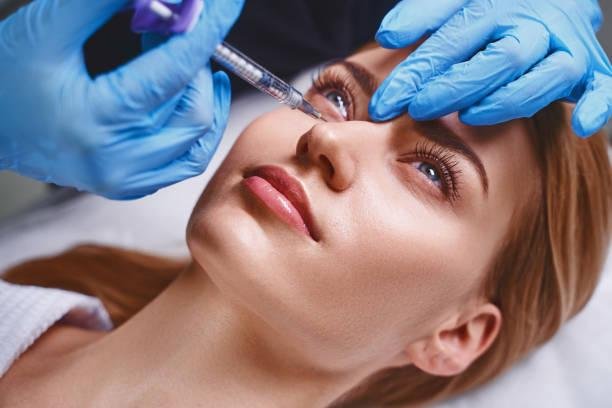
Rhinoplasty results do not appear instantly because the nose needs time to recover, settle, and adapt after surgery. Although the initial shape may be visible soon after the procedure, swelling and tissue changes can temporarily hide the final contours. Rhinoplasty in Riyadh (عملية تجميل الأنف في الرياض) patients should understand that healing is a gradual process, and patience is an important part of the recovery journey.
The nose contains delicate bone, cartilage, skin, and soft tissue, all of which respond to surgery differently. Rhinoplasty in Riyadh results can therefore continue to change as swelling decreases and the tissues gradually settle into their new position.
Why Rhinoplasty Healing Takes Time
Rhinoplasty involves controlled changes to the nasal framework and surrounding tissues. The body responds naturally by producing swelling and beginning the healing process. These temporary changes can make the nose look different from the intended result during the early recovery period.
Swelling Can Hide Nasal Definition
Swelling is one of the main reasons the nose may not immediately look refined after surgery. It can make the bridge appear wider or the tip appear less defined. As swelling gradually decreases, the underlying contours become easier to see.
The Nasal Tip Often Takes Longer
The nasal tip may retain swelling longer than other areas of the nose. This is particularly important for patients who undergo tip refinement because definition may continue improving gradually throughout recovery.
Early Results Are Not Final Results
Patients may notice changes shortly after surgery, but these early changes should not be considered the finished outcome. The appearance can fluctuate as swelling moves and tissues heal.
Different Tissues Heal at Different Rates
Bone, cartilage, skin, and soft tissue do not recover at exactly the same pace. Some areas may settle relatively quickly, while others take considerably longer to stabilize.
Skin Thickness Influences Healing
Skin thickness can affect how quickly nasal contours become visible. Thicker skin may retain swelling for longer and can soften the appearance of underlying structural changes.
Cartilage Continues to Settle
Cartilage is an important part of nasal structure and may require time to settle after reshaping. The final appearance depends on the surgical changes as well as how the tissues heal and adapt.
Internal Swelling Can Affect Appearance
Swelling is not limited to the visible outside of the nose. Internal tissues can also become swollen, contributing to congestion and changes in the way the nose feels during recovery.
Why One Side May Look Different
Temporary asymmetry can occur while swelling resolves. One side of the nose may appear more swollen than the other at different stages. This does not necessarily indicate a permanent problem.
Recovery Is Individual
Every patient has a different healing response. Age, skin characteristics, surgical technique, nasal anatomy, general health, and the extent of surgery can all influence recovery.
The Importance of Following Aftercare Instructions
Following your surgeon's instructions can help support appropriate healing. This may include recommendations about sleeping position, physical activity, nasal care, medications, and protecting the nose from accidental impact.
Avoiding Pressure on the Nose
The nose remains sensitive during recovery. Avoid unnecessary touching, rubbing, squeezing, or pressure unless your surgeon specifically instructs you to perform a particular form of care.
Protecting the Nose From Injury
Even when swelling has decreased, the nasal structures may still be healing. Avoid activities that create a significant risk of impact until your surgeon confirms that they are safe.
Returning to Exercise Gradually
Physical activity should be resumed according to your surgeon's instructions. Strenuous exercise can increase physical stress during recovery, while contact activities may create a risk of injury to the healing nose.
Why Patience Matters
It can be tempting to judge the result based on early photographs or comparisons with other patients. However, recovery timelines vary significantly. Rhinoplasty in Riyadh results should be evaluated according to your individual healing process rather than someone else's timeline.
Computer Imaging Is Not a Guarantee
Digital simulations can help communicate aesthetic goals before surgery, but they cannot predict exactly how tissues will heal. The actual result may differ from a simulation because the body's healing response cannot be completely controlled.
Follow-Up Appointments Are Important
Regular follow-up appointments allow your surgeon to monitor healing and determine whether the recovery is progressing as expected. These visits are also an opportunity to discuss concerns about swelling, symmetry, breathing, or other changes.
When Does the Nose Begin to Look More Refined?
As swelling gradually decreases, the nasal contours usually become clearer. The exact timing varies between patients and depends on the type and extent of surgery.
Why Final Results May Take Longer
Some subtle changes can continue developing after the nose looks significantly improved. Tissue maturation and gradual reduction of residual swelling may continue for an extended period.
Do Lifestyle Habits Affect Healing?
General healthy habits can support the body's normal recovery. Adequate rest, balanced nutrition, hydration, and following medical instructions can all contribute to a healthy recovery process.
Avoid Smoking and Nicotine
Smoking and nicotine can interfere with circulation and normal healing. Follow your surgeon's specific recommendations regarding nicotine before and after surgery.
Managing Expectations
A successful rhinoplasty does not necessarily mean the nose will look exactly like a computer simulation or another person's nose. Rhinoplasty in Riyadh should be approached with realistic expectations and an understanding that natural healing plays a major role in the final appearance.
When Should You Be Concerned?
Some swelling, bruising, congestion, and temporary asymmetry can be expected. However, severe or worsening pain, significant bleeding, fever, unusual discharge, or other concerning symptoms should be reported to your medical team promptly.
The Role of Surgeon Selection
A qualified surgeon can develop an appropriate surgical plan based on your nasal anatomy and goals. Careful technique, realistic planning, and appropriate follow-up are important parts of the overall rhinoplasty experience.
Why Final Results Are Worth the Wait
Allowing the nose to heal naturally gives tissues time to settle and swelling time to decrease. Being patient can help you appreciate the gradual changes that occur throughout the recovery process.
How to Support a Smooth Recovery
Rest adequately, follow your surgeon's instructions, protect your nose, attend follow-up appointments, and avoid activities that could interfere with healing. These steps can help you navigate the recovery period with greater confidence.
Book an Appointment at Royal Clinic Saudia
If you are considering rhinoplasty and want to understand how healing can influence your final result, book a consultation with Royal Clinic Saudia. The medical team can assess your nasal structure, discuss realistic expectations, explain the recovery process, and provide personalized guidance for your treatment.
FAQs:
Why don't rhinoplasty results appear immediately?
Swelling and tissue healing temporarily affect the shape and definition of the nose.
Why does the nasal tip take longer to settle?
The tip can retain swelling for longer, making final definition develop gradually.
Can temporary asymmetry occur during recovery?
Yes. Uneven swelling can temporarily make one side appear different from the other.
When should I judge my final rhinoplasty result?
Wait until your surgeon advises that sufficient healing has occurred, as the timeline varies between patients.

 English
 French
 Spanish
 Portuguese
 Deutsch
 Turkish
 Dutch
Dutch
 Italiano
 Russian
 Romaian
 Portuguese (Brazil)
 Tiếng Việt