
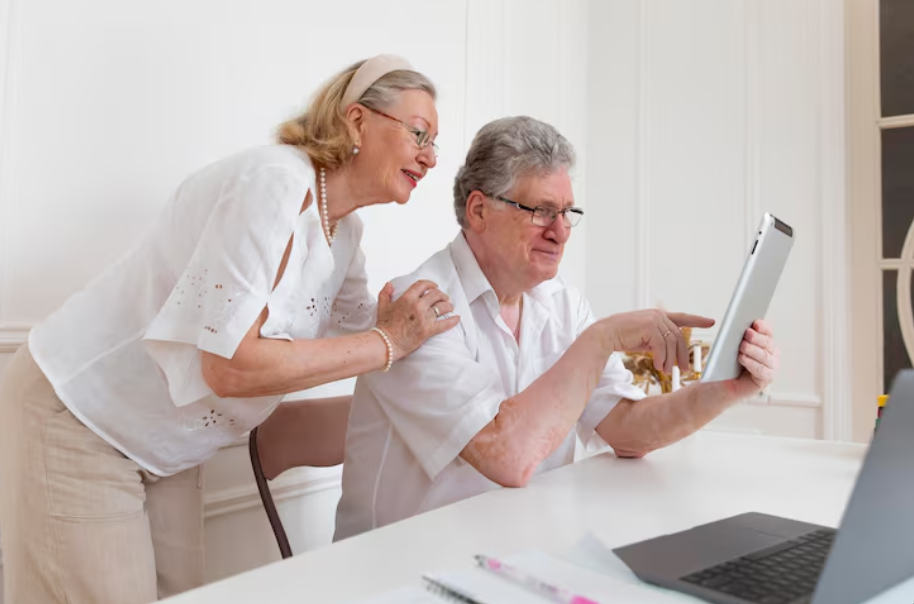
As people age, maintaining independence and comfort at home becomes increasingly important. A familiar home environment can provide emotional security, but it may also present risks that become more significant over time. Changes in mobility, vision, balance, and overall physical abilities can make everyday activities more challenging. A senior home safety assessment helps identify potential hazards and provides practical solutions to create a safer living space where older adults can continue enjoying their independence.
A home that feels safe is essential for quality of life. Many accidents among seniors occur because of small issues that are often overlooked, such as loose rugs, poor lighting, slippery floors, or difficult-to-reach items. By carefully reviewing each area of the home, families and caregivers can reduce risks and make adjustments that support aging in place.
Understanding the Importance of Home Safety for Seniors
Aging brings natural changes that can affect how seniors interact with their surroundings. Tasks that were once simple, such as climbing stairs, using the bathroom, or preparing meals, may require additional support. A safe home design can prevent injuries and provide confidence for older adults living independently.
Falls are one of the most common concerns for seniors. A fall can lead to serious injuries, reduced mobility, and a loss of confidence. Many falls happen because of environmental hazards rather than unavoidable health conditions. Addressing these risks through a detailed evaluation can make a significant difference.
A senior home safety assessment focuses on finding possible dangers before they cause harm. The process involves reviewing different areas of the home, understanding the senior’s daily routine, and recommending improvements that match their specific needs.
Key Areas Evaluated During a Senior Home Safety Assessment
A complete evaluation examines the entire living environment rather than focusing on only one area. Each part of the home can present unique challenges for older adults.
Entryways and Outdoor Areas
The entrance of a home should provide easy and safe access. Inspectors or caregivers often look for uneven walkways, poor lighting, slippery surfaces, and steps without proper support. Adding handrails, improving outdoor lighting, or repairing damaged pathways can help prevent accidents.
Doorways should also be wide enough for comfortable movement, especially for seniors who use walkers or mobility devices. A secure entrance allows older adults to enter and exit their homes safely.
Living Room and Common Areas
Living spaces should be organized to allow easy movement. Clutter, electrical cords, and loose carpets can create tripping hazards. Furniture placement is another important factor because seniors need enough space to walk comfortably without obstacles.
Proper lighting is also essential. Dark areas can make it difficult to see objects on the floor or navigate the room safely. Adding brighter lights or motion-activated lighting can improve visibility.
Kitchen Safety
The kitchen is one of the most frequently used areas in any home, but it can also contain many potential risks. A safety review may examine appliance placement, cabinet accessibility, flooring conditions, and fire prevention measures.
Frequently used items should be stored within easy reach to avoid unnecessary bending or climbing. Seniors should not need to use unstable chairs or step stools to access everyday supplies.
Other important kitchen considerations include checking stove safety, ensuring proper ventilation, and making sure emergency supplies are easy to access.
Bathroom Safety
Bathrooms often require special attention because they contain slippery surfaces and limited space. A senior home safety assessment typically places strong emphasis on bathroom features because falls frequently occur in these areas.
Safety improvements may include installing grab bars near showers and toilets, using non-slip flooring, improving lighting, and adjusting shower access. A raised toilet seat or handheld showerhead can also make daily routines easier and safer.
Small changes in the bathroom can greatly improve confidence and independence for seniors.
Bedroom Safety
Bedrooms should provide a safe and comfortable environment for rest and nighttime movement. A safety review may include checking bed height, lighting options, and pathways between the bed and bathroom.
Nightlights can help seniors move around safely after dark. Keeping essential items within reach reduces the need for unnecessary movement during the night.
Benefits of Conducting a Safety Evaluation
One of the biggest advantages of a home safety review is injury prevention. Identifying hazards early allows families to make improvements before accidents occur. This proactive approach can help seniors remain independent while reducing concerns for family members.
Another benefit is improved comfort. Safety modifications are not only about preventing problems; they also make everyday activities easier. Better lighting, improved organization, and accessible features can create a more enjoyable living environment.
A safety assessment can also support aging in place. Many seniors prefer to remain in their own homes rather than move to assisted living facilities. By making thoughtful changes, families can help create a home that supports long-term independence.
How Families Can Prepare for a Home Safety Review
Before starting an evaluation, families should consider the senior’s daily habits and challenges. Every person has different needs, so safety recommendations should be personalized.
Observing how a senior moves through the home can reveal important information. Pay attention to areas where they struggle, such as climbing stairs, reaching items, or entering the bathroom. Their feedback is valuable because they understand their own routines better than anyone else.
Families should also consider future needs. While a home may be manageable today, physical abilities can change over time. Planning ahead can prevent stressful situations later.
Simple Improvements That Can Make a Big Difference
Many safety upgrades are affordable and easy to complete. Installing brighter lights, removing clutter, adding non-slip mats, and securing loose rugs are simple steps that improve safety.
More advanced modifications may include installing stair lifts, remodeling bathrooms, adjusting countertops, or creating wheelchair-accessible spaces. The right improvements depend on the senior’s needs, budget, and home structure.
Regular reviews are also helpful because safety needs can change. A home that works well today may require adjustments in the future.
Supporting Independence Through a Safer Home
A safe home allows seniors to maintain their independence while feeling comfortable and confident. Safety improvements should focus on creating freedom rather than limiting activity. The goal is to make everyday life easier while allowing older adults to continue participating in the activities they enjoy.
A senior home safety assessment provides valuable insight into potential risks and practical solutions. Whether a senior lives alone or with family, evaluating the home environment is an important step toward creating a secure and supportive space.
By identifying hazards, improving accessibility, and planning for future needs, families can help seniors enjoy a better quality of life. A thoughtful approach to home safety ensures that older adults can continue living in a place that feels familiar, comfortable, and protected.

 English
 French
 Spanish
 Portuguese
 Deutsch
 Turkish
 Dutch
Dutch
 Italiano
 Russian
 Romaian
 Portuguese (Brazil)
 Tiếng Việt