
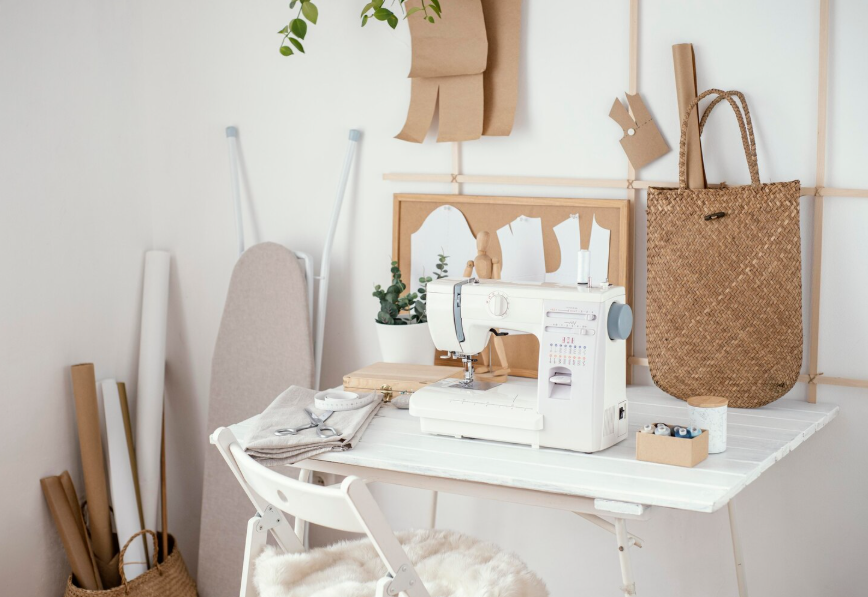
A sewing room is more than just a place to keep a sewing machine and fabric supplies. It is a personal creative space where ideas come to life, projects are completed, and imagination turns into handmade pieces. Whether you are a beginner who enjoys occasional crafting or an experienced sewer working on detailed projects, having an organized and inspiring environment can make the entire process more enjoyable. Finding the right sewing room inspiration can help you create a space that reflects your personality while improving comfort, productivity, and creativity.
A well-designed sewing room should combine functionality with style. The best sewing spaces are arranged in a way that keeps essential tools accessible while providing enough room to work comfortably. From smart storage solutions to attractive decorations, every detail can contribute to a more enjoyable sewing experience.
Creating a Sewing Room That Matches Your Style
Every creative person has a unique approach to sewing, and the room should support that individual style. Some people prefer a bright and colorful workspace filled with fabrics, patterns, and decorations, while others enjoy a simple and minimal design with clean surfaces and organized storage.
When planning your sewing area, think about the atmosphere you want to create. Soft colors can create a calm and relaxing environment, while bold colors can add energy and excitement. Adding personal touches such as artwork, handmade decorations, inspirational quotes, or finished sewing projects can make the space feel welcoming.
One of the best sources of sewing room inspiration is looking at how other creative people organize their spaces. You can gather ideas from different layouts and adapt them to fit your own needs, available space, and sewing habits.
Choosing the Right Sewing Table and Workspace
The sewing table is the heart of any sewing room. Since many sewing projects require hours of cutting, stitching, and adjusting materials, having a comfortable and properly sized work surface is important.
A sturdy sewing table should provide enough space for your sewing machine, fabric pieces, and essential tools. Adjustable tables can be helpful because they allow you to change the height according to your comfort. This can reduce strain on your back, shoulders, and hands during long sewing sessions.
A separate cutting table is also a valuable addition if you frequently work with large pieces of fabric. A spacious cutting area makes measuring, marking, and preparing patterns much easier. If your room is small, consider a folding table or a multi-purpose workstation that can serve different functions.
Smart Storage Ideas for Fabrics and Supplies
Keeping a sewing room organized can save time and make creative work more enjoyable. Fabrics, threads, needles, patterns, scissors, and other tools can quickly become difficult to manage without proper storage.
Clear containers are useful because they allow you to see your supplies without opening every box. Shelving units can display fabric collections while keeping materials easy to reach. Drawer organizers are perfect for storing smaller items such as buttons, zippers, ribbons, and sewing accessories.
Many sewing enthusiasts enjoy organizing fabrics by color, material, or project type. A rainbow-style fabric display can become a beautiful design feature while making it easier to find the perfect material for a project.
Wall storage is another excellent option. Pegboards, hooks, and hanging organizers can keep frequently used tools within reach while freeing up valuable desk space. This type of organization creates a cleaner and more efficient sewing environment.
Lighting for a Comfortable Sewing Experience
Proper lighting is one of the most important features of a sewing room. Sewing requires attention to small details, and poor lighting can cause eye strain and make tasks more difficult.
Natural light is ideal, so placing your sewing table near a window can create a bright and pleasant workspace. However, additional lighting is necessary for evening projects or detailed stitching. A combination of ceiling lights, desk lamps, and adjustable task lighting can provide the right amount of brightness.
A good sewing lamp should reduce shadows and focus light directly on your working area. Many creative spaces include flexible lamps that can be moved depending on the project. Comfortable lighting not only improves accuracy but also makes sewing sessions more enjoyable.
Adding Comfort and Creativity to Your Space
A sewing room should be a place where you feel motivated and comfortable. Small additions can make a major difference in how inviting the space feels.
A comfortable chair is essential because sewing often involves long periods of sitting. Choose a chair that provides proper support and allows you to maintain good posture. Adding cushions, rugs, or curtains can also create a cozy atmosphere.
Displaying completed projects can provide motivation and remind you of your creative achievements. A design wall can be useful for arranging quilt blocks, planning patterns, or experimenting with different fabric combinations before sewing.
Plants, artwork, and decorative items can bring life into the room. A creative environment often encourages new ideas and makes it easier to stay inspired.
Making the Most of a Small Sewing Room
Not everyone has a large room dedicated entirely to sewing, but even a small area can become a productive creative corner. The key is using space efficiently.
Vertical storage is especially helpful in smaller rooms. Tall shelves, wall organizers, and stackable containers can maximize available space. Foldable furniture and hidden storage compartments can help maintain a clean appearance when the room is not being used.
A small sewing corner can still feel inspiring with thoughtful planning. Choosing a consistent color theme, organizing supplies carefully, and adding personal decorations can transform even a limited space into a creative retreat.
Creating a Sewing Room That Encourages Creativity
A great sewing room is not only about appearance; it is about creating an environment that supports creativity and enjoyment. When everything has a place and the workspace feels comfortable, sewing becomes easier and more relaxing.
The best sewing spaces evolve over time. As your skills grow and your projects change, your room can be updated with new storage ideas, furniture, and decorations. Your sewing room should continue to inspire you and support your creative journey.
Whether you are designing a brand-new sewing studio or improving a small crafting area, exploring different ideas can help you build a space that feels truly yours. With thoughtful organization, comfortable furniture, and personal style, your sewing room can become a place where creativity flows freely and every project feels exciting.
Using the right sewing room inspiration can help you design a workspace that is practical, beautiful, and perfectly suited to your sewing passion. A well-planned sewing room is not just a place to work; it is a creative sanctuary where imagination, skill, and craftsmanship come together.

 English
 Arabic
 French
 Spanish
 Portuguese
 Deutsch
 Turkish
 Dutch
Dutch
 Italiano
 Russian
 Romaian
 Portuguese (Brazil)