
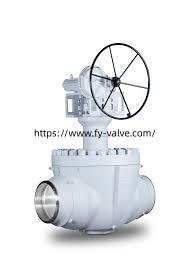
Ball Valve systems are widely used in industrial pipeline networks to control the flow of liquids and gases. These components are designed with a rotating spherical element that allows operators to start or stop flow within a pipeline. In industrial applications such as water treatment plants, oil and gas distribution systems, chemical processing facilities, and manufacturing environments, flow control accuracy and reliability are important for stable operation.
The basic working principle involves a hollow ball positioned inside the valve body. When the internal opening of the ball aligns with the pipeline, fluid flows through the system. When the ball is rotated, the solid portion blocks the passage, stopping or regulating flow. This simple rotational mechanism allows for quick operation and reduces the time needed for system adjustment during industrial processes.
One advantage of this type of flow control device is its ability to provide clear open and closed positions. Operators can quickly determine the state of the system based on the handle position. This feature is useful in environments where fast response is required, such as emergency shutdown situations or process adjustments in production lines.
Industrial flow systems often handle different types of media, including water, oil, gas, and chemical substances. Each application requires careful consideration of material selection, sealing performance, and pressure handling capacity. The internal sealing structure helps maintain stable performance under different working conditions, reducing the risk of leakage during operation.
Another important aspect is flow resistance. When fully open, the internal passage allows fluid to move with minimal restriction, which helps maintain system efficiency. This characteristic is useful in long pipeline networks where pressure loss needs to be managed across different sections of the system.
Different industries apply this type of valve in various ways. In water supply systems, it is used to control distribution and isolate sections for maintenance. In gas pipelines, it helps regulate supply and ensure safety during operation. In chemical processing environments, it assists in managing the transfer of different substances under controlled conditions.
Installation planning is also an important factor in system performance. Engineers consider pipeline layout, pressure requirements, and access points before placing components within the system. Proper installation helps ensure that maintenance and operation can be carried out efficiently without disrupting the entire network.
Material durability plays a role in long term usage. Industrial environments may expose equipment to temperature changes, pressure fluctuations, and chemical exposure. Selecting appropriate construction materials helps maintain performance consistency over time and reduces maintenance frequency.
Operational safety is another consideration in industrial systems. Clear positioning and reliable sealing help reduce risks during operation. Many facilities include regular inspection schedules to ensure that components continue to function within expected parameters.
Fangyuan provides industrial flow control solutions designed for water systems, energy projects, chemical processing, and general pipeline applications. Product development focuses on practical operation, structural stability, and compatibility with different industrial environments. This approach supports users who require reliable components for varied system requirements.
As industrial infrastructure continues to develop, flow control systems remain an important part of pipeline management. Understanding working principles, installation requirements, and material selection helps engineers and buyers make informed decisions for different applications. For more information about flow control solutions and technical details from Fangyuan, please visit https://www.fy-valve.com/

 English
 Arabic
 French
 Spanish
 Portuguese
 Deutsch
 Turkish
 Dutch
Dutch
 Italiano
 Russian
 Romaian
 Portuguese (Brazil)