
Introduction
Flooding is one of the most frequent natural disasters, causing significant damage to infrastructure, disrupting operations, and endangering communities. With changing weather patterns and increasing extreme rainfall events, the need for reliable flood monitoring has never been greater. Organizations responsible for managing water resources, infrastructure, industrial facilities, and public safety require accurate, real-time information to respond effectively to flood threats.
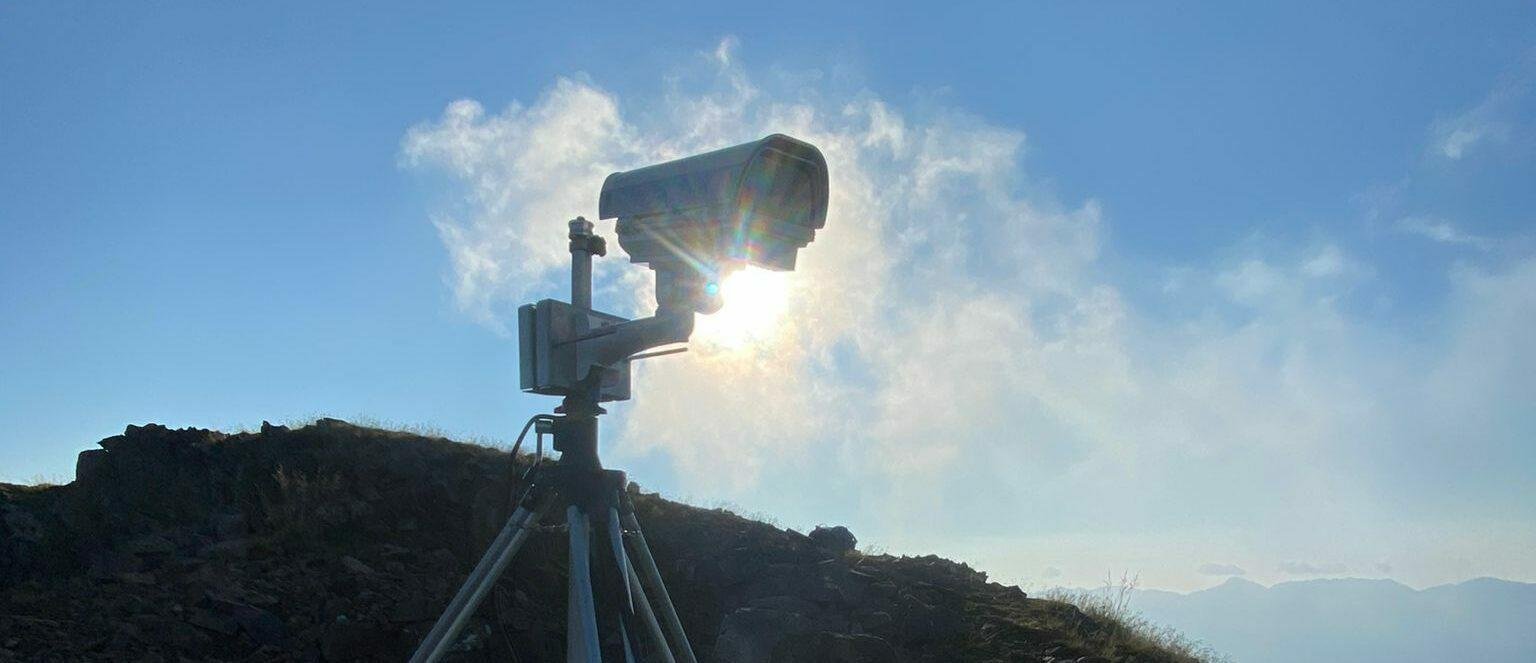
Avacam provides devices for remote flood monitoring that deliver continuous environmental monitoring, real-time data access, and automated warning capabilities. By combining advanced sensors, Industrial IoT technology, cloud-based analytics, and intelligent alert systems, Avacam helps organizations detect flood risks early and take proactive measures to minimize damage.
Why Remote Flood Monitoring Is Important
Traditional flood monitoring methods often involve manual inspections and periodic measurements. While useful, these approaches may not provide the immediate visibility needed during rapidly changing weather conditions.
Remote flood monitoring offers several advantages:
- Continuous 24/7 monitoring
- Real-time water level measurements
- Early warning notifications
- Faster emergency response
- Reduced operational costs
- Improved public safety
By providing accurate information in real time, remote monitoring allows organizations to make informed decisions and respond quickly to developing situations.
Avacam’s Remote Flood Monitoring Devices
Avacam offers industrial-grade monitoring devices designed for long-term operation in challenging outdoor environments.
Water Level Monitoring
High-precision water level sensors continuously monitor rivers, reservoirs, canals, lakes, drainage systems, and flood-prone locations. This enables early detection of rising water levels and potential flooding events.
Rainfall Monitoring
Accurate rainfall monitoring helps organizations assess flood risks and understand weather patterns that may contribute to flooding.
Environmental Monitoring
Additional sensors can monitor environmental parameters such as temperature, humidity, and atmospheric conditions, providing a comprehensive view of flood-related risks.
IoT-Enabled Connectivity
Avacam devices use reliable communication technologies including GSM, LTE, satellite communication, and Industrial IoT networks. This ensures secure and uninterrupted transmission of monitoring data from remote sites.
Cloud-Based Monitoring Platform
Data collected by Avacam devices is transmitted to a centralized cloud platform that provides real-time visibility into monitored conditions.
Key features include:
- Live monitoring dashboards
- Historical data analysis
- Trend visualization
- Automated reporting
- Multi-site monitoring capabilities
Users can access critical information from any location, enabling faster and more effective decision-making.
Automated Early Warning Alerts
When water levels or rainfall measurements exceed predefined thresholds, the system automatically generates notifications.
Alert methods include:
- SMS notifications
- Email alerts
- Mobile application alerts
- Integration with existing operational systems
These automated warnings provide valuable time to implement emergency plans and reduce flood-related impacts.
Benefits of Avacam Remote Flood Monitoring Devices
Early Flood Detection
Continuous monitoring helps identify potential flood risks before they become emergencies, allowing organizations to take preventive action.
Infrastructure Protection
Roads, bridges, dams, railways, tunnels, pipelines, and industrial facilities can be monitored continuously to reduce flood-related damage.
Enhanced Safety
Real-time alerts support emergency response efforts and help protect workers, communities, and critical assets.
Operational Efficiency
Remote monitoring reduces the need for frequent site visits while maintaining constant awareness of environmental conditions.
Reliable Long-Term Performance
Industrial-grade monitoring devices are engineered for durability and dependable operation in harsh weather environments.
Applications Across Industries
Government and Municipal Authorities
Monitor rivers, reservoirs, stormwater systems, and flood-prone areas to improve disaster preparedness and emergency response.
Water Resource Management
Track water levels and flow conditions to optimize water infrastructure operations and resource planning.
Industrial Facilities
Protect facilities, warehouses, and operational assets from flood-related disruptions.
Agriculture
Monitor irrigation systems and flood risks affecting agricultural land and crop production.
Transportation Infrastructure
Protect roads, railways, bridges, and tunnels through continuous flood monitoring and early warning systems.
The Future of Flood Monitoring
Modern flood monitoring is increasingly powered by Artificial Intelligence (AI), predictive analytics, cloud computing, and Industrial IoT technologies. These innovations improve forecasting accuracy, support predictive maintenance, and enable more proactive flood risk management.
Avacam continues to integrate advanced technologies into its monitoring solutions, helping organizations strengthen resilience and improve preparedness for future flood events.
Conclusion
Flood risks require continuous monitoring, accurate environmental data, and rapid response capabilities. Organizations need dependable solutions that provide real-time visibility into changing conditions and support informed decision-making.
Avacam provides devices for remote flood monitoring that combine industrial-grade sensors, IoT-enabled connectivity, cloud-based analytics, and automated warning systems to deliver comprehensive flood monitoring solutions. By enabling early detection and proactive risk management, Avacam helps organizations protect infrastructure, enhance safety, and improve resilience against flooding.
Website = https://avacam.io/en/

 English
 Arabic
 French
 Spanish
 Portuguese
 Turkish
 Dutch
Dutch
 Italiano
 Russian
 Romaian
 Portuguese (Brazil)
 Tiếng Việt