

Think about the last time you bought a high-end product. Before you even touched the item, you interacted with the box. You felt the weight of it, heard the soft sound of the lid lifting, and saw the product resting perfectly inside. That flawless presentation does not happen by accident.
Luxury brands obsess over these moments. They know that the unboxing experience is just as important as the product itself. At the heart of this experience lies a quiet but powerful tool: custom packaging inserts.
If you sell premium products, you need to understand how presentation shapes customer perception. In this guide, we will explore exactly why luxury brands invest heavily in customized interior packaging. You will learn the psychology behind unboxing, how these inserts protect valuable goods, and how you can apply these same strategies to elevate your own brand.
The Psychology of the Luxury Unboxing Experience
When customers pay a premium price, they expect a premium experience. This expectation starts the moment a package arrives at their door.
Setting the Stage for Value
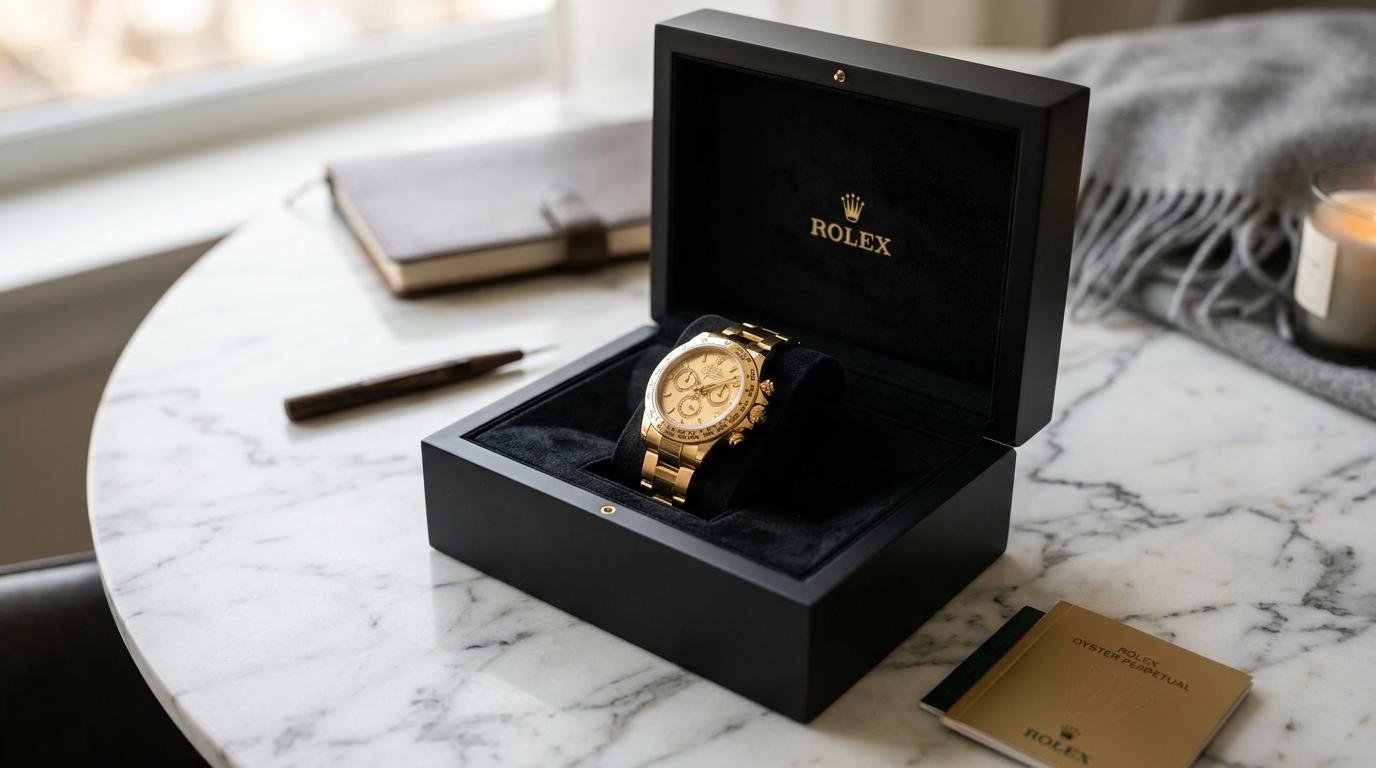
Humans are visual and tactile creatures. We judge the value of an item based on how it is presented to us. If a $5,000 watch arrives rattling around in a plain cardboard box surrounded by bubble wrap, its perceived value drops instantly.
Conversely, when a product sits snugly in a custom-fitted velvet tray, the brain registers care, precision, and high value. The packaging tells the customer, "This item is precious." Luxury brands use custom inserts to build anticipation. They slow down the unboxing process, turning a simple delivery into a memorable event.
The Power of Social Proof
We live in an era where unboxing videos generate billions of views online. People love watching others reveal new, high-end purchases. Luxury brands design their packaging with the camera in mind. A perfectly presented product—held firmly in place by a beautiful insert—looks incredible on video. This encourages buyers to share their purchases on social media, providing the brand with free, authentic marketing.
What Are Custom Packaging Inserts?
Custom packaging inserts (also known as packaging inlays) are materials placed inside a box to hold a product securely in a specific position. Unlike standard void fill—such as packing peanuts or crinkle paper—inserts are engineered to fit the exact dimensions of the product.
Common Materials Used by Luxury Brands
Luxury brands choose materials based on the product type, brand values, and desired aesthetic. Here is a breakdown of the most common materials used for high-end inserts:
| Material Type | Characteristics | Best Used For |
|---|---|---|
| EVA Foam | Dense, smooth, highly durable, and excellent at absorbing shock. Can be topped with velvet or silk. | High-end electronics, heavy cosmetics, fine jewelry. |
| Molded Pulp | Eco-friendly, made from recycled paper, highly customizable shape. | Sustainable luxury brands, premium skincare, artisanal home goods. |
| Paperboard | Lightweight, crisp, highly printable for custom branding and colors. | Perfumes, small accessories, luxury chocolates. |
| Satin / Silk Fabrics | Soft, elegant, often draped over foam or plastic bases for a classic look. | Watches, delicate jewelry, premium spirits. |
| Corrugated Cardboard | Strong, rigid, and surprisingly elegant when die-cut with precision. | Heavy items, premium subscription boxes, glass bottles. |
5 Reasons Luxury Brands Invest in Custom Inserts
Why spend extra money on the inside of a box? For luxury companies, the return on investment is massive. Here are the five main reasons they prioritize custom inserts.

1. Unmatched Product Protection
Luxury goods are often fragile and expensive. A shattered perfume bottle or a scratched leather wallet results in costly returns and angry customers. Custom inserts lock the product in place. Because the insert is molded to the exact shape of the item, the product cannot shift, bounce, or rub against the sides of the box during transit.
This level of protection ensures that the product arrives in pristine condition every single time. It reduces damage rates to near zero, which saves the company money and protects its reputation.
2. Enhancing Brand Perception and Authority
Trust is the currency of luxury. When a brand demonstrates that they care about every detail—down to the way a product rests in its box—they build authority. It shows expertise and reliability. Customers feel confident buying from a company that treats its own products with such high regard.
This attention to detail justifies premium pricing. If you want customers to pay more, every touchpoint must feel expensive.
3. Creating a Personalized Customer Experience
Custom inserts allow brands to design exactly how a customer discovers the product. A brand can create multiple compartments within one insert.
For example, a luxury skincare set might feature one main compartment for a face cream, a smaller cutout for a specialized applicator spoon, and a perfectly sized slot for an instruction booklet. This organized presentation guides the customer through the product discovery step-by-step. It makes the buyer feel special, turning a routine purchase into an exclusive experience.
4. Improving Packaging Efficiency
While it might seem counterintuitive, custom inserts can actually streamline the packing process. When a company uses generic boxes and bubble wrap, warehouse workers have to guess how much padding is enough. This slows down fulfillment and leads to inconsistent packaging.
When a brand uses precision-cut inserts, packing becomes a fast, repeatable process. The worker simply places the insert in the box and drops the product into its designated slot. It takes seconds, requires no guesswork, and looks perfect every time.
5. Aligning with Sustainability Goals
Modern luxury consumers care deeply about the environment. They do not want boxes stuffed with single-use plastic wrap or styrofoam peanuts.
Brands are now switching to sustainable custom inserts. Molded pulp and engineered paperboard offer the exact same precision and luxury feel as plastic, but they are fully recyclable. By using eco-friendly inserts, brands communicate their ethical values to the customer, building deeper trust and loyalty.
How to Choose the Right Custom Inserts for Boxes
If you are ready to upgrade your packaging, you need to select the right materials and structural design. Choosing the best Custom Inserts For Boxes depends on three main factors: your product's weight, your budget, and your brand's aesthetic.
Step 1: Evaluate Product Weight and Fragility
Heavy glass bottles require dense materials like EVA foam to absorb impact. Lightweight items like silk scarves or small leather goods do well with custom-cut paperboard.
Step 2: Define Your Brand Aesthetic
Does your brand lean toward classic, heritage luxury? Velvet-lined foam might be your best choice. Are you a modern, minimalist, clean-beauty brand? A crisp, white molded pulp insert will align perfectly with your identity.
Step 3: Consider the Unboxing Sequence
Think about how you want the items revealed. Do you want the main product front and center, with accessories hidden underneath? Or do you want everything displayed flat, like a gallery? Work with packaging engineers to design the physical layout.
Comparing Insert Costs and Value
| Insert Type | Initial Setup Cost | Per-Unit Cost | Perceived Value |
|---|---|---|---|
| Standard Paperboard | Low | Low | Moderate |
| Molded Pulp | High (mold fees) | Low at scale | High (Eco-Luxury) |
| Custom EVA Foam | Moderate | Medium | Very High |
| Fabric-Lined Foam | Moderate | High | Ultra-Luxury |
The Role of a Reliable Custom Packaging Company
You cannot create world-class packaging alone. Designing a flawless insert requires structural engineering, material science, and precise manufacturing. This is why luxury brands partner with an expert Custom Packaging Company to bring their vision to life.
A strong packaging partner does more than just print boxes. They will:
- Measure your products down to the millimeter to ensure a friction-fit.
- Provide prototypes so you can test the unboxing experience before ordering thousands of units.
- Advise you on the most cost-effective and sustainable materials for your specific needs.
- Ensure color consistency between the outside box and the inside insert.
When selecting a partner, look for a manufacturer with experience in your specific industry. Ask to see physical samples of their previous work to verify the quality of their cuts and materials.
Actionable Checklist: Designing Your Luxury Inserts
Ready to elevate your packaging? Use this checklist to guide your process:
- Measure your product: Get exact 3D dimensions of the item(s) going inside the box.
- Identify the primary goal: Are you optimizing for extreme protection, sustainability, or pure aesthetics?
- Select your material: Choose between foam, paperboard, or molded pulp based on your brand values and product weight.
- Map the layout: Sketch where the main product, accessories, and documentation will sit.
- Request a prototype: Never order in bulk without testing a physical prototype with your actual product inside.
- Test for transit: Drop-test the prototype to ensure the insert holds the product securely under stress.
Conclusion
Luxury brands use custom packaging inserts because presentation directly influences perceived value. A well-designed insert protects fragile items, builds brand authority, and transforms a simple delivery into a highly shareable event. Whether you use rich velvet-lined foam or sleek, sustainable molded pulp, the inside of your box matters just as much as the outside.
Take a close look at how you currently ship your products. Use the checklist above to start designing an unboxing experience that makes your customers feel truly valued.
Frequently Asked Questions (FAQs)
What is the best material for luxury packaging inserts?
There is no single "best" material; it depends on the product. EVA foam offers premium protection and a dense, high-end feel for heavy or fragile items. Molded pulp is the top choice for brands focused on eco-friendly, sustainable luxury.
Do custom packaging inserts cost a lot of money?
Custom inserts require an upfront investment, especially for the initial design and cutting dies. However, they often save money in the long run by significantly reducing product damage, lowering return rates, and speeding up the fulfillment process.
Are foam inserts environmentally friendly?
Traditional foams like polyurethane and standard EVA are not easily recyclable. However, many packaging companies now offer bio-based foams, recycled foams, or suggest switching to molded paper pulp to meet sustainability goals.
How tight should a custom insert be?
The insert should hold the product firmly enough that it does not fall out if the box is turned upside down, but loose enough that the customer can remove the item easily without struggling. Finger cutouts or ribbon pulls are often added to make removal effortless.

 English
 Arabic
 French
 Spanish
 Portuguese
 Deutsch
 Dutch
Dutch
 Italiano
 Russian
 Romaian
 Portuguese (Brazil)
 Tiếng Việt