
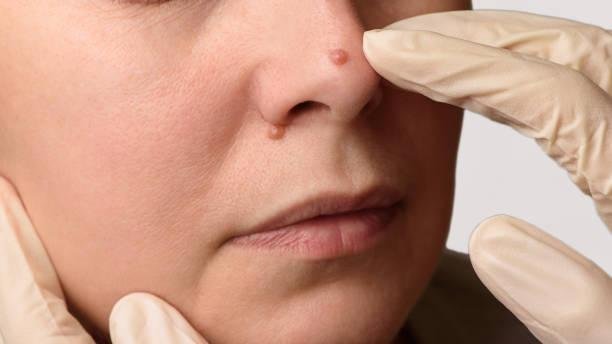
Skin growths can appear in different shapes, sizes, and textures, making it important to understand their nature before choosing a treatment. Although warts are common and often harmless, other skin conditions can sometimes look similar. A careful assessment helps medical professionals identify the type of growth, determine whether treatment is appropriate, and select a suitable removal method. For people considering Warts removal treatment in Riyadh, understanding the assessment process can help them feel more informed and prepared for a dermatology consultation.
Why Skin Growths Need Professional Assessment
Not every raised bump or rough patch on the skin is a wart. Some growths may be caused by viral infections, while others may represent skin tags, moles, calluses, or different dermatological conditions. Treating a growth without identifying it correctly may lead to irritation, scarring, or delayed diagnosis of a condition that needs further evaluation.
Medical professionals assess the growth's appearance, location, duration, and changes over time. They also consider the person's medical history and any symptoms, such as itching, tenderness, bleeding, or inflammation. This information helps guide the next steps and determines whether routine wart treatment is suitable or additional investigation is necessary.
How Doctors Examine Skin Growths
Reviewing Medical and Skin History
The assessment usually begins with questions about when the growth first appeared and whether it has changed in size, colour, or shape. A doctor may ask whether similar growths have developed elsewhere, whether previous treatments have been attempted, and whether the area causes discomfort.
Medical history can also influence treatment decisions. Conditions that affect immunity, circulation, or wound healing may require additional precautions. Patients should mention any medications, allergies, previous skin procedures, or history of unusual skin lesions so the professional can make an informed recommendation.
Evaluating Appearance, Shape, and Texture
A visual examination is an important part of identifying a suspected wart. Common warts often have a rough surface, while plantar warts develop on the soles of the feet and may cause discomfort when walking. Flat warts can appear smoother and smaller, sometimes occurring in groups.
Doctors may examine the surface closely to look for features consistent with a wart. However, appearance alone does not always provide a definite diagnosis. Certain benign growths and other skin conditions can resemble warts, so professionals consider the overall clinical picture rather than relying on one characteristic.
Checking the Growth's Location
The location of a skin growth can affect both diagnosis and treatment selection. Warts may occur on the hands, fingers, feet, knees, or other areas of the body. Growths near the eyes, on the face, around the nails, or in sensitive areas may need a more cautious approach because the skin can be delicate and the risk of scarring may be greater.
The doctor also considers whether the growth affects everyday activities. For example, a wart on the sole of the foot may cause pressure-related pain, while one on a finger may interfere with gripping objects. These factors help determine whether treatment is necessary and which options may be appropriate.
When Additional Testing May Be Needed
Dermoscopic Examination
A dermatologist may use a dermatoscope, a handheld instrument that magnifies the skin and illuminates its surface. This can reveal details that are difficult to see with the naked eye and may help distinguish a wart from other types of growth.
Dermoscopy is not necessary for every suspected wart. The decision depends on the appearance of the lesion and the professional's clinical judgement. If the findings are typical, a diagnosis may be made through examination alone.
Skin Biopsy in Uncertain Cases
If a growth looks unusual, changes rapidly, bleeds without a clear reason, develops an irregular appearance, or does not respond as expected to treatment, further investigation may be recommended. In selected cases, a small sample of tissue may be taken for laboratory examination.
A biopsy is not routinely required for ordinary warts, but it can help clarify uncertain diagnoses. Patients should seek prompt medical evaluation for growths that change significantly, become persistently painful, develop an irregular colour or border, or repeatedly bleed. These features do not automatically indicate a serious condition, but they should not be ignored.
Choosing a Suitable Wart Removal Method
Once the growth has been assessed, the medical professional can discuss appropriate treatment options. The choice depends on the type and location of the wart, its size, how long it has been present, previous treatment attempts, and the person's individual circumstances.
Topical Treatments
Some warts can be managed with topical products, including preparations containing salicylic acid. These treatments gradually remove layers of affected skin and may require consistent use over several weeks. A professional can explain how to apply them safely and whether they are appropriate for the specific location.
Products intended for ordinary warts should not automatically be used on facial growths, genital lesions, or unidentified skin marks. These areas may require different assessment and care.
Cryotherapy and Other Clinical Procedures
Cryotherapy uses controlled freezing, commonly with liquid nitrogen, to damage wart tissue and encourage it to clear. Depending on the case, more than one session may be needed. Temporary discomfort, blistering, pigment changes, or scarring can occur.
Other procedures may be considered when a wart is persistent or when an alternative approach is more suitable. The professional should explain the expected recovery, possible side effects, aftercare instructions, and likelihood of recurrence before treatment begins. No single method is best for every patient.
Preparing for a Dermatology Appointment
Before attending a consultation, patients can note when the growth appeared, whether it has changed, and which treatments have already been tried. Mentioning symptoms and relevant medical conditions can also help the professional assess the skin accurately. It is advisable to avoid cutting, picking, or burning an unidentified growth at home because these actions may cause infection, bleeding, or scarring.
A consultation for Warts removal treatment in Riyadh provides an opportunity to discuss the diagnosis, available options, potential risks, and expected follow-up. Asking questions and understanding the treatment plan can help patients make informed decisions about their skin health.
Book a Skin Assessment at Royal Clinic Saudi
If you have a persistent or bothersome skin growth, a professional consultation can help determine whether it is a wart and whether removal is appropriate. Royal Clinic Saudi can be contacted to enquire about an assessment, discuss available treatment options, and understand the recommended next steps. The most suitable approach depends on the examination and each patient's individual needs.
FAQs:
How do medical professionals determine whether a skin growth is a wart?
They examine its appearance, texture, location, and history. Additional assessment may be recommended if the diagnosis is uncertain.
Is a biopsy necessary before every wart removal procedure?
No. Typical warts can often be diagnosed through examination. A biopsy may be considered when a growth looks unusual or its diagnosis remains unclear.
Can all skin growths be removed using the same method?
No. Treatment depends on the type of growth, its location, size, and other individual factors. An accurate assessment helps guide the choice.
When should I seek medical advice about a skin growth?
Seek an assessment if a growth changes rapidly, bleeds repeatedly, becomes persistently painful, develops an unusual appearance, or does not improve with treatment.

 English
 Arabic
 French
 Spanish
 Portuguese
 Deutsch
 Turkish
 Dutch
 Russian
 Romaian
 Portuguese (Brazil)
 Tiếng Việt