
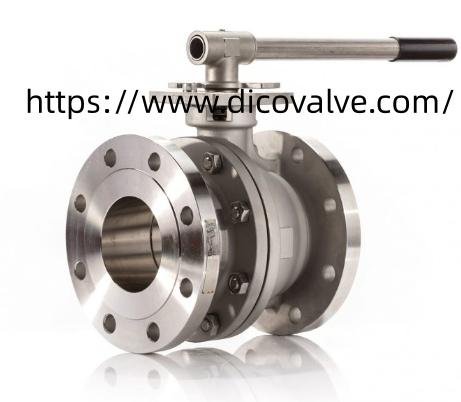
High Temperature Stainless Steel Ball Valves require careful evaluation of material compatibility, sealing arrangements, connection dimensions, and operating conditions before purchase. Buyers should begin by identifying the needs of their pipeline system and reviewing the technical information provided by manufacturers. A structured assessment helps procurement teams compare configurations, communicate requirements clearly, and avoid mismatches between the proposed product and its intended application.
Identify the Working Medium
The fluid passing through a pipeline influences material selection, sealing requirements, and maintenance planning. Buyers should identify whether the system handles water, oil, gas, steam, or chemically active substances. Information about impurities, corrosive elements, and possible contamination can also help determine which construction materials deserve consideration.
The surrounding environment matters as well. Outdoor installations, humid production areas, and facilities exposed to corrosive substances may require different material considerations from clean indoor environments.
Provide these details during the initial inquiry rather than waiting until a quotation has been prepared. A clear description of the application gives the manufacturer a better basis for discussing suitable configurations and identifying additional information needed for technical evaluation.
Compare Material Grades and Component Construction
Different metal grades offer varying combinations of corrosion resistance, mechanical properties, and suitability for specific working environments. Buyers should confirm the proposed grade for the body and review the materials used in the closure element, stem, and other internal components.
It is important to assess the complete assembly. A corrosion-resistant body does not automatically mean that every internal part is suitable for every process. The working medium, mechanical loads, and expected operating conditions should be considered when reviewing each component.
Where project specifications require traceability, ask whether material certificates and identification records can be supplied. Written documentation helps purchasing and engineering teams verify that the offered configuration matches the approved requirements.
Review Seat and Packing Options
Seat materials influence sealing performance, operating torque, and maintenance considerations. Depending on the application, buyers may evaluate polymer-based seats or metal-seated arrangements. The appropriate choice depends on the process medium, operating conditions, leakage requirements, and expected service demands.
Stem packing should be reviewed separately because its requirements may differ from those of the seat. Buyers should ask which sealing materials are available and whether the proposed combination is suitable for the intended service.
For systems that experience repeated heating and cooling, discuss how the design accommodates changes during operation. Rather than relying on a general material description, request clear information about component limitations and the conditions for which the assembly is intended.
Confirm Connections and Operating Methods
Connection compatibility should be checked before the order is finalized. Confirm the nominal size, flange dimensions, facing type, drilling pattern, and relevant piping standard. These details should correspond with the pipeline drawings or the equipment being replaced.
Installation planning should include the space needed for handles, gear operators, actuators, and maintenance access. If automation is required, buyers should also confirm mounting compatibility and obtain relevant operating torque information.
Providing drawings, photographs, or existing equipment specifications can help clarify these requirements. When a project needs a customized arrangement, request written confirmation of the agreed configuration before production begins.
Ask About Manufacturing and Inspection
Manufacturing procedures can affect dimensional consistency and the reliability of the finished assembly. Buyers may ask about machining, assembly, inspection stages, and the methods used to check products against approved drawings.
Inspection requirements should be agreed upon before placing the order. Depending on the project, relevant records may include dimensional reports, material documentation, functional inspection results, and applicable test reports. Confirm which documents are included and whether additional requirements could affect the delivery schedule.
Buyers should also understand how inspection concerns are handled. A defined process for reporting discrepancies, reviewing findings, and coordinating corrective measures helps both parties address issues efficiently.
Evaluate the Full Quotation
A useful quotation should describe the proposed configuration in enough detail for a meaningful comparison. Review the body material, internal components, connection dimensions, operating method, accessories, inspection scope, and packaging arrangements.
Commercial terms deserve equal attention. Confirm the order quantity, payment conditions, expected production period, shipping arrangements, and any charges related to customization or additional documentation. Offers should be compared against matching specifications so that differences in scope are clear.
For repeat purchases, retaining approved drawings and material requirements can simplify procurement. Consistent records also help purchasing teams communicate changes and review later orders more efficiently.
Prepare a Clear Inquiry
Before contacting a manufacturer, organize the following information:
Working medium and operating environment.
Required material grades and internal component options.
Seat and packing requirements.
Nominal size and flange connection standard.
Manual or automated operating method.
Inspection documents and project standards.
Order quantity and expected delivery date.
A well-prepared inquiry makes technical discussions more focused and gives the manufacturer a clearer understanding of the project. It also helps purchasing teams compare proposals using consistent criteria.
For industrial buyers reviewing available configurations, dicovalve provides product information to support discussions about material options, construction details, and application requirements. Prepare the relevant specifications before contacting the team, then visit https://www.dicovalve.com/ to review product options and discuss your project needs.

 English
 Arabic
 French
 Spanish
 Portuguese
 Deutsch
 Turkish
 Dutch
 Russian
 Romaian
 Portuguese (Brazil)
 Tiếng Việt