
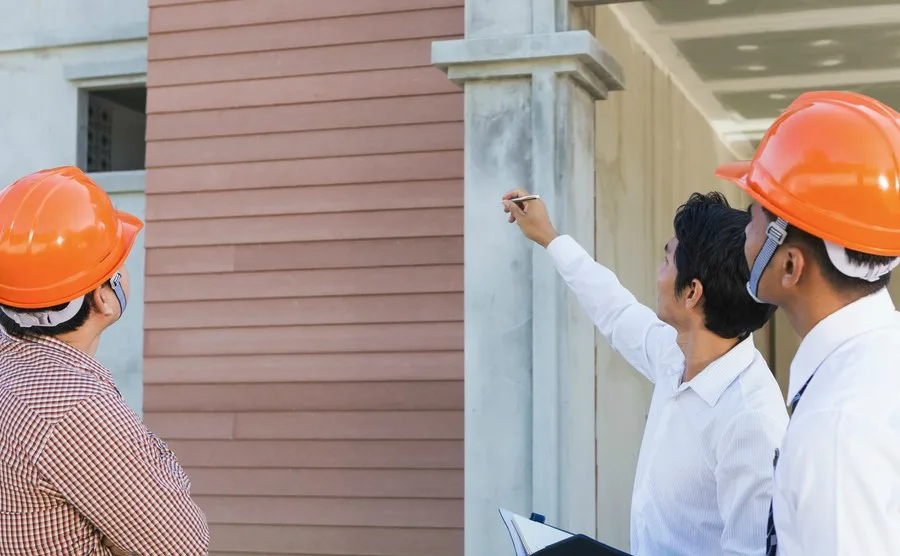
A property's appearance does not always reveal the condition of its major components. Fresh paint, renovated rooms, and attractive landscaping may draw attention away from roofing defects, plumbing concerns, drainage issues, or aging equipment. Property Inspections provide a structured review of accessible building areas, helping buyers, sellers, investors, and current owners understand visible conditions before making important decisions. The findings can highlight maintenance needs, document noticeable defects, and indicate when specialist evaluation may be appropriate. Having a clearer picture of the building's condition can make budgeting more practical and help people evaluate a property beyond its immediate appearance.
Examine the Exterior and Surrounding Land
The exterior helps protect a building from rain, wind, temperature changes, and other environmental conditions. Cracked masonry, deteriorated siding, damaged trim, loose steps, and gaps around windows may indicate areas that require attention. During Property Inspections, accessible exterior surfaces and surrounding grounds can be reviewed for visible damage. The slope of the land also matters because water that collects near the building may contribute to foundation moisture or basement problems. Walkways, retaining walls, fences, and other exterior features can reveal additional maintenance requirements. Reviewing these areas gives property owners useful information about the building's condition and helps establish sensible repair priorities.
Review Roofing and Rainwater Drainage
A roof protects the interior from weather exposure, but its materials can deteriorate over time. Missing shingles, cracked tiles, damaged flashing, and worn roofing sections may reduce the roof's ability to keep water outside. Property Inspections in Baltimore MD may include a visual review of accessible roofing components, gutters, downspouts, and other drainage features. Interior ceiling stains or visible attic moisture can also indicate possible water intrusion. A general inspection does not replace a specialist roofing assessment, particularly when roof access is limited or significant damage is suspected. Understanding visible roof conditions can help buyers estimate potential maintenance expenses and determine whether further evaluation should be arranged before a transaction is completed.
Check Plumbing Fixtures and Water Systems
Water-related defects can damage cabinets, flooring, walls, and other building materials when they remain unresolved. Leaking faucets, corroded exposed pipes, slow drains, loose fittings, and stains beneath sinks may indicate plumbing concerns. During Property Inspections, accessible fixtures, toilets, exposed pipes, and drainage areas can be reviewed for visible issues. Kitchens, bathrooms, laundry rooms, and utility spaces deserve particular attention because moisture can accumulate around appliances and plumbing connections. If a suspected leak involves concealed piping or inaccessible areas, additional testing may be necessary. Documenting visible plumbing concerns helps owners understand possible repair requirements and provides buyers with useful information for planning future expenses.
Evaluate Electrical and Mechanical Features
Electrical, heating, and cooling systems influence a property's safety, comfort, and everyday usability. Damaged outlets, missing covers, visible wiring defects, and signs of improper electrical alterations may warrant further investigation. Property Inspections can also involve reviewing accessible HVAC equipment, thermostats, vents, visible ductwork, and related components for general operation or noticeable defects. However, a visual inspection cannot establish the condition of every concealed connection or replace specialized system testing. When a significant concern is identified, a qualified electrician or HVAC technician may need to conduct a more detailed assessment. Understanding these findings helps property owners determine which issues deserve attention before they create additional inconvenience or expense.
Look for Structural Defects and Movement
Structural components support the building and help maintain its stability. Foundation cracks, uneven floors, displaced masonry, sagging areas, and doors that become difficult to open may indicate conditions that need further investigation. Property Inspections can document visible signs of deterioration or movement, although an observation alone does not establish the exact cause of a defect. The size, location, pattern, and progression of a crack can influence whether specialist evaluation is necessary. If significant structural concerns are suspected, a qualified structural professional may need to examine the property. Recognizing these warning signs gives buyers and owners an opportunity to investigate potentially costly problems before deciding how to proceed.
Assess Interior Rooms and Finishing Details
Interior surfaces can reveal maintenance concerns that are easy to overlook during a quick viewing. Damaged flooring, cracked finishes, stained ceilings, loose tiles, sticking windows, and deteriorated trim may indicate wear or other problems. Property Inspections generally include a review of accessible walls, ceilings, floors, doors, windows, stairs, and other visible features. Some findings are cosmetic, while others may be connected to moisture, movement, or installation defects. A stain, for example, should not automatically be treated as a painting issue without considering its possible source. Examining interior spaces carefully helps create a more complete understanding of the building and supports better decisions about necessary repairs.
Investigate Moisture and Ventilation Concerns
Moisture can affect multiple parts of a building, particularly in basements, crawl spaces, attics, bathrooms, and areas around windows or plumbing fixtures. Condensation, musty odors, peeling paint, water stains, and damaged materials may indicate conditions that deserve attention. During Property Inspections, accessible areas can be reviewed for visible signs of water intrusion and ventilation problems. These observations may not reveal the exact source of moisture, and suspected mold or concealed water damage may require separate testing. Resolving the underlying cause is important before repairing affected surfaces. Identifying moisture concerns early can help property owners understand potential risks and plan appropriate corrective work.
Review the Report and Prioritize Repairs
An inspection report records observed conditions and identifies items that may require maintenance, repair, or further assessment. Property Inspections should not be interpreted as a guarantee that every part of a building is defect-free. Instead, the report provides information that helps readers determine which concerns are most important. Active leaks, significant safety issues, suspected structural defects, and major system problems may require prompt follow-up. Other findings may involve routine maintenance or future budgeting. Buyers can request clarification and obtain specialist assessments or repair estimates when necessary. Sellers can also use the findings to plan improvements before listing their property. A thoughtful review makes the report more useful for real-world decisions.
Make Informed Decisions About Your Property
The information gathered through Property Inspections can support property purchases, sales, investment planning, and ongoing maintenance. Buyers can use the findings to understand possible repair costs, sellers may identify visible concerns before a transaction, and existing owners can organize future maintenance around the building's condition. Investors may also find inspection information useful when comparing properties and assessing potential renovation expenses. An inspection cannot predict every future failure or reveal every concealed defect, but it provides a valuable overview of accessible areas. Combining the findings with appropriate specialist evaluations and realistic cost estimates can support more informed decisions and help protect the property's long-term value.

 English
 Arabic
 French
 Spanish
 Portuguese
 Deutsch
 Turkish
 Dutch
Dutch
 Italiano
 Russian
 Romaian
 Tiếng Việt