
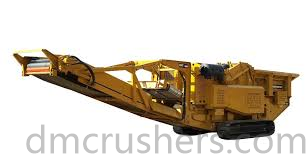
In quarrying, mining, construction, and infrastructure projects, a Stone Crushing Machine plays an important role in transforming large pieces of natural rock into usable aggregate materials. Although the basic purpose is material reduction, effective operation requires careful consideration of rock properties, feeding conditions, mechanical structure, wear resistance, maintenance, and final product requirements. A well-planned processing system should connect these factors so that the equipment can operate consistently while supporting efficient material utilization.
Natural stone is not a uniform material. Limestone, granite, basalt, sandstone, and other rocks have different levels of hardness, density, abrasiveness, moisture, and fracture behavior. These characteristics affect how the material responds to mechanical force and how quickly working components may experience wear. Understanding the source material before selecting equipment helps operators establish appropriate processing conditions and reduces the risk of excessive mechanical loading.
Mechanical design is fundamental to stable processing. The main frame must withstand repeated dynamic forces while maintaining the alignment of critical components. Bearings, shafts, crushing chambers, wear surfaces, drive assemblies, and discharge systems must operate together as part of a coordinated structure. Efficient transfer of mechanical energy can help limit unnecessary losses while suitable structural reinforcement can improve durability under demanding working conditions.
Feeding quality has a direct influence on processing stability. A consistent supply of material allows the reduction chamber to operate under relatively predictable loading conditions. Irregular feed, excessive oversize, or unwanted foreign objects can increase the likelihood of blockages and mechanical stress. Appropriate feed preparation can help address these issues before material reaches the main processing stage. This is particularly important when recycled construction materials contain mixed or unpredictable components.
The desired final product should also influence process planning. Aggregate used for concrete, road construction, asphalt applications, drainage, and general filling can have different size and grading requirements. One reduction stage may not always provide the desired distribution, making screening and additional processing necessary in some applications. By coordinating reduction and classification, operators can improve product consistency and reduce unnecessary recirculation.
Wear management is another important consideration. Stone processing subjects exposed surfaces to repeated impact, compression, and abrasion. Wear rates depend on both equipment design and the properties of the material being processed. Regular inspection of liners, bearings, belts, fasteners, and other vulnerable components allows operators to identify deterioration at an early stage. Timely replacement can prevent excessive wear from affecting surrounding components and causing longer periods of downtime.
Maintenance programs should combine scheduled service with observation of actual operating conditions. Changes in vibration, temperature, unusual sounds, discharge behavior, or power requirements may indicate developing mechanical problems. Recording these observations over time can help maintenance teams identify recurring patterns and adjust service intervals accordingly. Easy access to inspection points and service components can further reduce the time required for routine maintenance.
Safety is essential throughout operation, cleaning, inspection, and repair. Rotating components, falling rock, stored energy, dust, and restricted maintenance areas can present significant hazards. Protective guards, emergency stopping devices, controlled access points, warning signs, and appropriate isolation procedures can reduce operational risks. Workers should understand that equipment must be fully isolated before maintenance activities are performed in areas containing moving or energized components.
Environmental management is increasingly connected with stone processing efficiency. Dust suppression and controlled transfer points can help manage airborne particles, while suitable equipment placement may reduce unnecessary noise exposure. Efficient material movement can also reduce repeated handling and energy use. Where suitable, recycled aggregates can provide an alternative source of construction material and support more efficient use of existing resources.
When material characteristics, mechanical design, feeding, product requirements, maintenance, and safety are evaluated together, a Stone Crushing Machine can become an effective part of a controlled aggregate processing workflow. The right solution depends on the type of rock, required output, site conditions, and relationship between processing stages. Project planners can review additional equipment information at https://www.dmcrushers.com/product/stationary-crusher/ when evaluating suitable solutions for stone processing applications.

 English
 Arabic
 French
 Spanish
 Portuguese
 Deutsch
 Turkish
 Dutch
Dutch
 Italiano
 Romaian
 Portuguese (Brazil)
 Tiếng Việt