
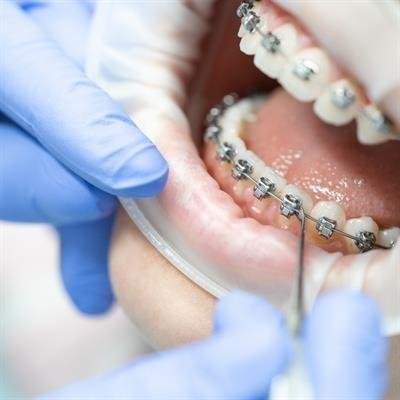
A crossbite is a type of dental alignment problem in which one or more upper teeth sit inside the corresponding lower teeth when the mouth closes. It can affect the front teeth, back teeth, or several teeth at the same time. Depending on its cause and severity, a crossbite may influence chewing, tooth wear, and overall bite balance.
For patients considering Dental Braces in Islamabad, understanding how orthodontic treatment may address a crossbite can help them make an informed decision. At Enfield Royal Clinic in Islamabad, a detailed examination can help identify the type of crossbite and determine whether braces may be appropriate.
What Is a Crossbite?
In a typical bite, the upper teeth sit slightly outside the lower teeth. With a crossbite, one or more upper teeth may sit behind or inside the lower teeth.
A crossbite can occur in different areas:
- Front teeth
- Back teeth
- One side of the mouth
- Both sides of the mouth
The appearance and severity vary between patients. Some crossbites involve only a single tooth, while others affect a larger part of the dental arch.
Why Does a Crossbite Develop?
Crossbites can develop for several reasons. Tooth positioning, dental arch width, jaw development, and eruption patterns may all contribute.
Potential factors include:
- Narrow upper dental arch
- Individual teeth erupting in an unusual position
- Differences in upper and lower jaw development
- Dental crowding
- Childhood oral habits
- Natural variations in dental growth
Identifying the underlying cause is important because treatment needs to address the specific type of crossbite.
Can Braces Correct a Crossbite?
Braces may help correct certain crossbites by gradually repositioning the affected teeth.
Orthodontic treatment uses controlled forces to guide teeth into more suitable positions. Depending on the case, treatment may involve correcting individual tooth positions or coordinating the upper and lower dental arches.
The approach depends on whether the crossbite is primarily related to tooth positioning or involves a more significant jaw relationship.
For people considering Dental Braces in Islamabad, a professional examination is therefore an essential first step.
Why Should a Crossbite Be Evaluated?
A crossbite is not simply an issue of appearance. When teeth meet unevenly, certain teeth may experience greater contact during biting.
An orthodontic assessment can determine whether the crossbite is affecting the overall bite and whether treatment could provide a functional or alignment benefit.
The dental professional may also evaluate crowding, spacing, tooth wear, and gum health.
What Happens During an Orthodontic Consultation?
The consultation usually begins with an examination of the teeth and bite. The dental professional may assess the relationship between the upper and lower teeth from different angles.
Depending on the situation, diagnostic photographs, X-rays, or digital scans may be recommended.
The assessment can help identify:
- The location of the crossbite
- The number of teeth involved
- Available dental space
- Tooth angulation
- Jaw relationship
- Gum and tooth health
At Enfield Royal Clinic in Islamabad, patients can discuss their bite concerns and learn about potential orthodontic approaches based on their individual dental structure.
Can Adults Be Treated for a Crossbite?
Adults can also undergo orthodontic treatment when their teeth and supporting tissues are suitable for movement.
Adult patients may require an assessment of gum health and existing dental work before braces are placed. Previous orthodontic treatment, crowns, fillings, or missing teeth can also influence treatment planning.
For adults considering Dental Braces in Islamabad, a detailed examination can help establish whether orthodontic treatment is suitable.
What Is Treatment Like?
Braces remain attached to the teeth during active orthodontic treatment. Wires and other components provide controlled forces that gradually guide the teeth.
Patients usually attend regular appointments so progress can be monitored and adjustments can be made when needed.
Mild pressure or temporary sensitivity may occur after some adjustments. Individual experiences vary, and any unusual or persistent discomfort should be discussed with the dental professional.
How Long Can Crossbite Treatment Take?
Treatment time depends on the complexity of the crossbite and the amount of correction required.
A single-tooth crossbite may have different treatment requirements from a case involving several teeth or a broader jaw relationship.
Other alignment issues, such as crowding or spacing, can also influence the overall treatment timeline.
Because every orthodontic case is different, a specific treatment duration can only be estimated after an examination.
Maintaining Oral Hygiene With Braces
Good oral hygiene is particularly important during orthodontic treatment. Brackets and wires can create areas where plaque and food particles accumulate.
Patients should brush carefully around the orthodontic appliances and along the gumline. Cleaning between teeth should also be maintained.
Very hard and sticky foods may need to be avoided because they can damage brackets or wires.
Careful oral hygiene throughout Dental Braces in Islamabad treatment can help protect the teeth and gums while alignment is being improved.
What Happens After Crossbite Correction?
After braces are removed, retainers are commonly recommended to help maintain the corrected positions.
Teeth can naturally shift after active orthodontic treatment, so retention is an important part of long-term orthodontic care.
The type of retainer and recommended wearing schedule vary from patient to patient.
Choosing the Right Orthodontic Care
Crossbite treatment should begin with accurate diagnosis and individualized planning. Simply focusing on the visible position of one tooth may not address the complete bite.
For patients considering Enfield Royal Clinic in Islamabad, an initial consultation can provide an opportunity to discuss the crossbite, understand possible treatment options, and learn what type of orthodontic care may be suitable.
Final Thoughts
A crossbite can involve one tooth or several teeth and may be influenced by dental alignment or jaw development. Braces may help correct suitable cases by gradually repositioning teeth and improving the relationship between the upper and lower dental arches.

 English
 Arabic
 French
 Spanish
 Portuguese
 Deutsch
 Turkish
 Dutch
Dutch
 Italiano
 Romaian
 Portuguese (Brazil)
 Tiếng Việt