
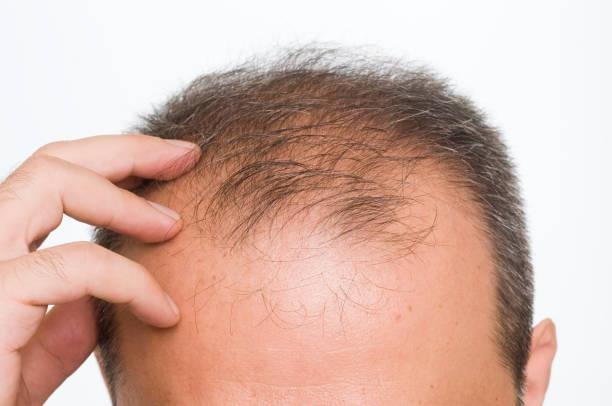
If you are considering PRP Hair Treatment in Riyadh, understanding what happens during an actual session can make the experience feel much more straightforward. Platelet-rich plasma (PRP) therapy uses a small sample of your own blood, processes it to concentrate platelets, and then delivers the prepared plasma into targeted areas of the scalp. The procedure is minimally invasive and is commonly explored for certain types of hair thinning and hair loss.
PRP does not involve transplanting hair or using artificial material. Instead, it uses components obtained from your own blood. During PRP Hair Treatment in Riyadh, a healthcare professional typically begins by evaluating your scalp and hair-loss pattern before preparing and administering the PRP. Research suggests that PRP may improve hair density in some people, although results can vary and treatment protocols are not completely standardized.
What Happens Before the PRP Session?
Scalp and Hair Assessment
The process usually starts with an assessment of your hair and scalp. A healthcare professional may examine the pattern of thinning, discuss how long you have experienced hair loss, review your medical history, and ask about medications or previous treatments. Identifying the likely cause of hair loss is important because different types of alopecia may require different approaches.
Treatment Planning
After the assessment, the practitioner determines whether PRP is an appropriate option and identifies the areas that may benefit from treatment. The number of sessions and interval between treatments can vary depending on the individual's condition and the protocol being used. Published studies have used different PRP preparation methods and treatment schedules, which is one reason outcomes can differ between patients and clinics.
How Is PRP Prepared During the Session?
Blood Collection
A small amount of blood is generally drawn from the patient's arm, similar to having blood collected for a routine laboratory test. Because the PRP is prepared from the patient's own blood, it is considered an autologous treatment.
Centrifugation and Separation
The collected blood is placed into a specialized centrifuge. Spinning the sample separates its components, allowing the practitioner to isolate a plasma portion containing a higher concentration of platelets. The exact preparation process can vary depending on the equipment and PRP protocol used.
Preparing the Scalp
Before injections, the scalp is cleaned carefully. Depending on the patient's sensitivity and the clinician's approach, a local numbing method may be used to make the injection process more comfortable. Some published PRP studies have used a numbing agent, while others have not.
What Happens When PRP Is Injected?
Targeted Scalp Injections
The prepared PRP is injected into selected areas of the scalp, particularly regions affected by thinning. Multiple small injections may be administered to distribute the PRP across the treatment area. The injection technique and treatment pattern depend on the patient's hair-loss pattern and the practitioner's protocol.
How Long Does the Session Take?
The injection portion itself may be relatively brief. The American Academy of Dermatology notes that scalp PRP injections can take around 10 minutes, although the complete appointment can be longer because it also includes assessment, blood collection, preparation, scalp cleansing, and injections.
What Does PRP Hair Treatment Feel Like?
Patients may experience brief pinching, pressure, or mild discomfort as the scalp injections are performed. Some people can also experience temporary tenderness, redness, swelling, or headache afterward. Studies examining PRP for pattern hair loss have generally reported transient effects such as pain, edema, and erythema rather than serious treatment-related complications.
The level of discomfort can vary according to individual sensitivity, the number of injections, and the treatment technique. Communicating with the practitioner during the session can help ensure that discomfort is addressed appropriately.
What Happens After the Session?
Immediately After Treatment
Following PRP injections, the scalp may feel tender or slightly sensitive. Some patients notice mild redness or swelling around injection points. These effects are generally temporary, but patients should follow the specific aftercare instructions provided by their healthcare professional.
Returning to Normal Activities
Recovery from PRP is generally limited compared with surgical hair-restoration procedures. However, the appropriate timing for washing the hair, exercising, applying scalp products, or using other treatments should be confirmed with the treating professional because aftercare instructions can differ.
When Will Hair Changes Become Noticeable?
PRP is not expected to create instant hair growth. Changes usually develop gradually, and improvement may take several months. The American Academy of Dermatology notes that PRP may help lessen hair loss within a few months, with some patients subsequently noticing thicker hair or regrowth.
Clinical evidence also suggests that PRP may increase hair density in some patients, but the quality and consistency of evidence vary. A recent systematic review and meta-analysis involving 43 randomized controlled trials found evidence supporting improvements in hair density and reduction in hair loss, while also noting variation between treatment protocols.
How Many PRP Sessions Are Usually Needed?
PRP is generally performed as a series rather than a single treatment. Treatment schedules vary because there is no universally standardized preparation and administration protocol. Some clinical approaches use monthly treatments initially followed by maintenance sessions at longer intervals. The American Academy of Dermatology describes one commonly used schedule as monthly injections for the first three months, followed by treatments every three to six months.
Your healthcare professional may recommend a different schedule based on your hair-loss diagnosis, response to treatment, and overall treatment plan. Regular follow-up can also help determine whether continuing PRP is appropriate.
Who May Benefit From PRP?
PRP may be considered for selected people with certain forms of hair loss, particularly pattern hair loss. However, it is not a universal solution for every cause of thinning or shedding. A proper diagnosis is important before starting treatment because conditions such as nutritional deficiencies, hormonal issues, inflammatory scalp disorders, or other medical causes may require different management.
Book Your PRP Hair Treatment Consultation at Royal Clinic Saudia
If you are experiencing thinning or hair loss and want to know whether PRP could be appropriate for you, Royal Clinic Saudia can provide an assessment and discuss suitable treatment options. A professional evaluation can help determine the likely cause of hair loss and create a treatment approach based on your individual needs.
FAQs:
Is PRP hair treatment painful?
PRP involves multiple small scalp injections, so some patients may experience temporary discomfort or tenderness. A numbing method may be considered depending on the treatment approach and individual sensitivity.
How long does a PRP hair treatment session take?
The injection portion can be relatively quick, but the full appointment takes longer because blood collection, PRP preparation, scalp preparation, and injections are also involved. The exact duration varies by treatment protocol.
Does PRP provide immediate hair growth?
No. PRP does not produce instant hair growth. If it is effective for a particular patient, changes generally develop gradually over the following months.
How many PRP sessions are needed for hair loss?
The number of sessions varies according to the patient's diagnosis, treatment response, and clinical protocol. A healthcare professional can recommend an appropriate schedule after evaluating the scalp and hair-loss pattern.

 English
 Arabic
 French
 Spanish
 Portuguese
 Deutsch
 Turkish
 Dutch
Dutch
 Russian
 Romaian
 Portuguese (Brazil)
 Tiếng Việt