
The way people think about wellness has changed significantly in recent years. Physical fitness remains important, but there is increasing recognition that sleep, stress regulation, cognitive performance, and emotional well-being are equally relevant to quality of life.
This broader view has contributed to interest in technologies designed to provide information about brain activity. Among these approaches, neurofeedback has become a subject of interest for people researching non-invasive brain-training options.
Clinics focused on brain health, such as new beginnings wellness center & braincore clinic, reflect the growing interest in services that combine technology with individualized wellness strategies.
What Happens During Neurofeedback?
Neurofeedback generally involves monitoring brain activity and providing feedback based on that activity.
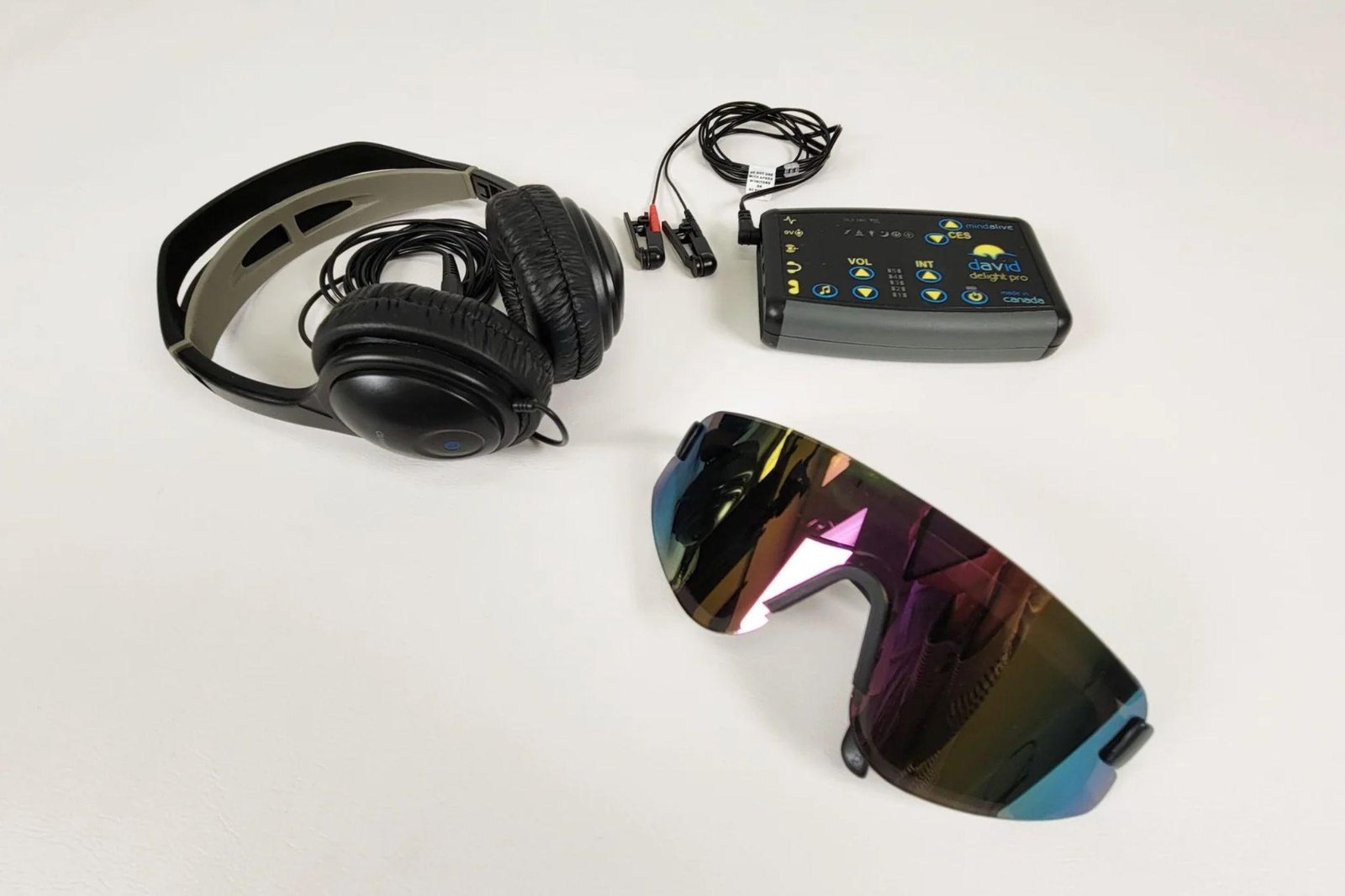
Sensors are placed on the scalp to detect electrical signals. Specialized software analyzes the signals and translates relevant information into feedback that a person can see or hear. The individual then participates in a task or activity while receiving this feedback.
The underlying concept is that real-time information can help people learn to regulate aspects of their brain activity.
Because neurofeedback is non-invasive, it has attracted attention as an alternative or complementary wellness approach. Nevertheless, its suitability depends on the individual and the goals being addressed.
Why Personalization Is Important
No two people have exactly the same combination of lifestyle, sleep patterns, stressors, experiences, and health circumstances.
For this reason, brain wellness programs should ideally begin with an individualized assessment.
A provider may collect information about a person's goals and concerns before recommending a particular type of training. In some cases, qEEG testing may also be used to measure electrical activity and provide additional information about brainwave patterns.
These measurements should be interpreted carefully. Brain activity is complex, and no single assessment can provide a complete picture of a person's mental or physical health.
Potential Areas of Interest
Neurofeedback and related brain-training approaches are often discussed in connection with areas such as attention, relaxation, stress regulation, sleep, and cognitive performance.
For individuals exploring these services, it is important to understand that interest in a particular application does not automatically mean that the approach is appropriate for everyone.
The quality of the assessment, the practitioner's experience, the individual's circumstances, and the specific goals of the program all matter.
Consumers should therefore focus on understanding the complete process rather than choosing a service based on a single advertised benefit.
Combining Technology With Healthy Habits
Technology should not replace the basics of a healthy lifestyle.
Sleep remains fundamental to cognitive and emotional functioning. Physical activity supports general health, while effective stress management can help people maintain balance during challenging periods. Social connection, nutrition, and healthy routines also contribute to overall well-being.
A brain wellness program can therefore be considered within a larger framework rather than as a substitute for foundational health habits.
This integrated perspective is particularly valuable because difficulties with concentration, energy, or mood can sometimes be influenced by multiple lifestyle and environmental factors.
Finding Brain Wellness Resources in Edina
People researching local mental wellness resources may come across bhakti wellness center edina while exploring providers that offer brain-focused services.
Before scheduling an appointment, prospective clients can review the clinic's services and prepare questions about assessment, session structure, practitioner qualifications, expected commitment, and progress monitoring.
A consultation is also an opportunity to determine whether the provider's philosophy aligns with the individual's expectations.
Questions Worth Asking
Anyone considering neurofeedback can benefit from asking several straightforward questions.
How is the initial assessment conducted? What information is collected before training begins? What does a typical session involve? How frequently are sessions recommended? How is progress measured? What limitations should clients understand?
It is also reasonable to ask what research supports the specific application being offered.
A trustworthy provider should not be uncomfortable with informed questions. Clear communication helps consumers understand both the potential value and limitations of a service.
A More Informed View of Brain Wellness
The growing interest in neurofeedback reflects a broader movement toward personalized approaches to wellness. Instead of treating the brain as an abstract concept, these approaches attempt to use measurable information and individualized strategies to support specific goals.
At the same time, consumers should maintain realistic expectations. Neurofeedback is not a universal answer to every mental or cognitive challenge, and individual experiences can differ.
The most responsible approach is to view brain wellness as one part of a broader health strategy. By combining professional guidance, appropriate assessment, healthy lifestyle habits, and careful research, individuals can make better-informed decisions about whether neurofeedback or another brain-focused service is appropriate for them.

 Arabic
 French
 Spanish
 Portuguese
 Deutsch
 Turkish
 Dutch
Dutch
 Italiano
 Russian
 Romaian
 Portuguese (Brazil)
 Tiếng Việt