
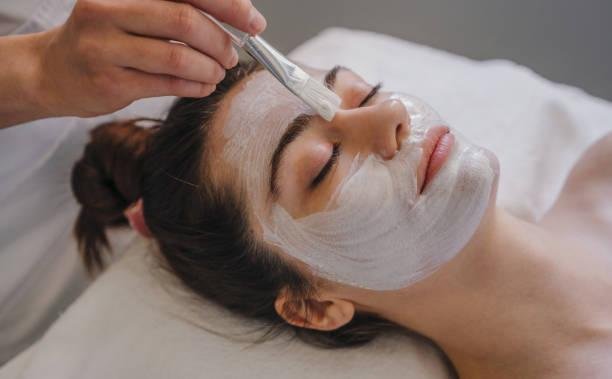
Acne-prone skin often experiences more than active breakouts. Excess oil, clogged pores, post-acne marks, uneven texture, and dullness can continue even when individual blemishes have improved. A glycolic acid peel provides controlled chemical exfoliation that may help address some surface-level concerns associated with acne-prone skin. Glycolic Acid Peel in Riyadh can be considered as part of a personalized skincare plan when a professional determines that the treatment is appropriate.
What Is a Glycolic Acid Peel?
Glycolic acid is an alpha hydroxy acid (AHA) that works primarily on the surface layers of the skin. It helps loosen the bonds between dead skin cells, supporting their removal through controlled exfoliation.
When dead cells accumulate, they can contribute to a rough or dull appearance. Glycolic acid may help create a smoother-looking surface and improve the appearance of certain superficial skin concerns.
Professional peels are different from strong at-home acid products because the formulation, concentration, application time, and treatment frequency can be carefully selected according to the individual's skin.
How Can It Benefit Acne-Prone Skin?
Helps Remove Surface Buildup
Dead skin cell accumulation can make acne-prone skin look rough and uneven. Controlled exfoliation may help reduce this surface buildup and support a smoother appearance.
Improves Uneven Texture
Acne and previous breakouts can leave the skin with an uneven surface. Glycolic acid may help refine superficial texture by encouraging the shedding of dead skin cells.
Supports a Brighter Appearance
Acne-prone skin can sometimes appear dull because of inflammation, post-breakout marks, or accumulated surface cells. Exfoliation may help reveal fresher-looking skin.
May Improve the Appearance of Post-Acne Marks
Glycolic acid can sometimes help improve superficial discoloration left after breakouts. However, deeper acne scars and more significant pigmentation may require different treatments.
Glycolic Acid and Clogged Pores
Acne commonly develops when oil, dead skin cells, and other material contribute to blocked pores. Glycolic acid primarily provides surface exfoliation, so it may help improve the appearance of skin affected by buildup.
However, it should not be considered a universal acne treatment. Different types of acne can have different causes, and active inflammatory or severe acne may require medical management rather than relying on a chemical peel alone.
A professional assessment can help determine whether a glycolic acid peel should be part of your skincare plan.
Can It Help With Acne Scars?
It is important to distinguish between acne marks and acne scars. Flat dark or red marks left after breakouts are different from depressed or raised scars.
A glycolic acid peel may help improve the appearance of some superficial post-acne discoloration and uneven texture. More established acne scars may require other professional procedures depending on their type, depth, and location.
Glycolic Acid Peel in Riyadh can be customized according to the specific concern rather than treating every post-acne change in the same way.
Who May Be a Suitable Candidate?
A glycolic acid peel may be considered for people with acne-prone skin who are primarily concerned about:
- Dull-looking skin
- Surface buildup
- Mild uneven texture
- Superficial post-acne marks
- Certain forms of uneven pigmentation
- A rough or less-refined complexion
However, treatment may not be appropriate during periods of significant irritation or when the skin barrier is compromised.
People using prescription acne treatments or strong active ingredients should tell their provider about their current routine before undergoing a peel.
What Happens During Treatment?
The skin is generally cleansed and prepared before the glycolic acid solution is applied. The professional determines how long the product remains on the skin based on its formulation and your individual treatment plan.
Mild tingling or warmth may occur during application. The solution is then removed or neutralized according to the treatment protocol.
The goal is controlled exfoliation rather than aggressive peeling. Treatment strength should be selected carefully, particularly for acne-prone or sensitive skin.
What Should You Expect After a Peel?
Temporary redness, dryness, tightness, or mild peeling may occur following treatment. The intensity varies according to the strength of the peel and individual skin response.
It is important not to pick or manually remove peeling skin. Gentle cleansing and moisturization can help support the skin barrier during recovery.
Sun protection is also important because UV exposure can contribute to pigmentation and may make post-acne discoloration more noticeable.
Important Considerations for Active Acne
Not all acne-prone skin should immediately receive a chemical peel. If the skin has active irritation, open lesions, significant inflammation, or a damaged barrier, treatment may need to be postponed.
A professional can assess the current condition of your skin and determine whether a glycolic peel is appropriate or whether another approach should be considered first.
This individualized assessment is especially important because overly aggressive exfoliation can worsen irritation and make acne-prone skin more uncomfortable.
Combining Treatment With a Skincare Routine
A glycolic acid peel works best as part of an appropriate overall skincare strategy rather than as a replacement for daily care. Gentle cleansing, moisturization, sun protection, and carefully selected acne products may help support the skin between professional treatments.
Avoiding excessive scrubbing and combining multiple strong exfoliating products without guidance can also help protect the skin barrier.
Your provider can recommend when to resume active skincare ingredients after treatment based on your skin's recovery.
Why Professional Guidance Matters
Glycolic acid is available in many consumer skincare products, but professional peels may use higher concentrations and controlled application methods. Incorrect use can cause irritation, burns, or unwanted pigmentation changes.
For acne-prone skin, professional assessment is particularly valuable because active acne, post-acne marks, and scarring require different approaches. Glycolic Acid Peel in Riyadh should be selected according to your current skin condition, sensitivity, and treatment goals.
Book Your Appointment at Royal Clinic Saudia
If acne-prone skin is affected by dullness, uneven texture, or post-acne marks, a professional consultation can help determine which approach is appropriate. At Royal Clinic Saudia, you can discuss your skin concerns and receive personalized guidance based on your individual needs. Glycolic Acid Peel in Riyadh may be incorporated into a suitable skincare plan when appropriate.
FAQs:
Can glycolic acid peels help acne-prone skin?
They may help with surface buildup, uneven texture, dullness, and certain superficial post-acne marks, but they are not suitable for every type of acne.
Can a glycolic peel remove acne scars?
It may improve some superficial texture or discoloration, but deeper acne scars often require other treatment approaches.
Can I have a glycolic peel with active acne?
It depends on the condition of the skin. Significant inflammation, irritation, or damaged skin may require treatment to be postponed.
How should acne-prone skin be cared for after a peel?
Use gentle skincare, moisturize as recommended, avoid unnecessary exfoliation, and protect the skin from excessive sun exposure.

 Arabic
 French
 Spanish
 Portuguese
 Deutsch
 Turkish
 Dutch
Dutch
 Italiano
 Russian
 Romaian
 Portuguese (Brazil)
 Tiếng Việt