
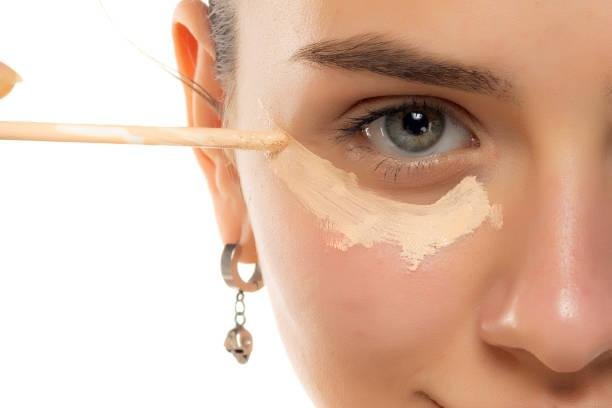
The area around the eyes has a strong influence on the overall appearance of the face. Dark discoloration, uneven skin tone, hollowness, and visible blood vessels can make the eyes look tired even after adequate rest. Addressing the underlying causes may help create a more refreshed and even-looking appearance. For those considering Dark Circles Treatment in Riyadh, understanding how different treatments work can help set realistic expectations.
Why Dark Circles Affect Facial Appearance
The eyes are one of the first features people notice, and the surrounding skin is particularly delicate. Changes in pigmentation, volume, and skin texture can therefore become noticeable.
Dark circles may appear brown, blue, purple, or shadow-like depending on their underlying cause. Genetics, aging, sun exposure, allergies, dehydration, and natural facial anatomy can all contribute.
Because the causes vary, treatment should begin with identifying what is creating the darker appearance.
Understanding the Main Causes
Dark circles are often associated with several contributing factors rather than a single cause. Pigmentation can create darker skin beneath the eyes, while thin skin can make underlying blood vessels more visible.
Under-eye hollowness may create shadows that resemble discoloration. Aging can contribute to both thinner skin and changes in facial volume. Allergies and frequent eye rubbing can also make the area appear darker or irritated.
Determining the dominant cause helps guide treatment selection.
Treating Under-Eye Pigmentation
When excess pigmentation is responsible for darkness, treatments may focus on improving the appearance of uneven skin tone. Depending on the individual's skin condition, options may include specialized skincare, superficial chemical peels, or selected laser procedures.
Sun protection is also an important part of managing pigmentation. Continued ultraviolet exposure can contribute to uneven tone and may make existing discoloration more noticeable.
Treatment around the eyes should always be approached carefully because the skin is thin and sensitive.
Addressing Under-Eye Hollowness
Sometimes the appearance of dark circles comes primarily from shadows rather than pigmentation. A hollow beneath the lower eyelid can create a darker transition between the eye area and cheek.
For selected patients, dermal fillers may be considered to restore volume and soften this transition. However, injectable treatments are not appropriate for every person. Existing puffiness, skin quality, facial anatomy, and individual medical factors should be assessed before treatment.
Improving Skin Quality
Thin, dry, or less elastic skin can contribute to a tired-looking eye area. Treatments that focus on hydration and skin quality may be considered when these factors are part of the concern.
A suitable skincare routine can also support the appearance of the skin. Gentle products, adequate hydration, and appropriate sun protection may help maintain healthier-looking under-eye skin.
Professional Treatment Options
Depending on the underlying cause, a practitioner may recommend one or more approaches. Laser-based treatments may be considered for certain pigmentation concerns, while superficial peels can be used in selected cases.
Other professional procedures may focus on skin quality or volume. The appropriate treatment depends on the individual's anatomy, skin type, pigmentation characteristics, and desired outcome.
When exploring Dark Circles Treatment in Riyadh, an individualized assessment can help prevent choosing a treatment simply because it is commonly associated with dark circles.
How Lifestyle Can Affect the Eye Area
Daily habits may influence how noticeable dark circles appear. Insufficient sleep, dehydration, prolonged screen use, stress, and frequent eye rubbing can contribute to a tired-looking appearance.
Maintaining regular sleep, drinking enough fluids, protecting the skin from sunlight, and avoiding unnecessary irritation can support professional treatment and everyday skincare.
However, lifestyle changes may have limited effects when darkness is primarily genetic or caused by structural facial characteristics.
Creating a More Refreshed Appearance
Treating the specific factors responsible for dark circles can improve the overall appearance of the eye area. Reducing the appearance of pigmentation may create a more even skin tone, while addressing hollowness can reduce shadows.
Improving skin hydration and texture can also contribute to a smoother-looking appearance. The goal is generally to enhance the eye area while preserving natural facial characteristics.
What to Expect During Treatment
The experience and recovery period depend on the treatment selected. Some procedures require minimal downtime, while others may temporarily cause redness, swelling, peeling, or sensitivity.
Patients should follow their practitioner's aftercare instructions carefully. Depending on the procedure, avoiding excessive sun exposure, rubbing the eyes, and irritating skincare products may be recommended during recovery.
Results may develop gradually, and some treatments may require more than one session.
Why Individual Assessment Matters
There is no universal treatment for dark circles. Two people may have similar-looking darkness but completely different underlying causes.
A professional assessment can examine pigmentation, skin thickness, volume, facial anatomy, and other contributing factors. This allows treatment to be selected according to the patient's specific needs.
Realistic expectations are also important because genetic characteristics and natural aging may continue to influence the appearance of the under-eye area.
Book Your Appointment at Royal Clinic Saudia
If dark circles are making your face appear tired, a professional consultation can help identify their underlying cause and discuss appropriate options. At Royal Clinic Saudia, you can explore treatments based on your skin condition, facial anatomy, and individual goals. Dark Circles Treatment in Riyadh can be personalized to address pigmentation, skin quality, under-eye shadows, or other factors contributing to a tired appearance.
FAQs:
Can treating dark circles make the face look more refreshed?
Improving pigmentation, under-eye shadows, or skin quality may create a brighter and more rested-looking appearance.
Are dark circles always caused by lack of sleep?
No. Genetics, pigmentation, aging, allergies, visible blood vessels, and facial anatomy can also contribute.
Can fillers improve dark circles caused by hollowness?
In selected patients, fillers may soften shadows caused by under-eye volume loss. A qualified practitioner should determine whether they are appropriate.
How quickly can results appear?
The timeline depends on the treatment. Some improvements may appear relatively soon, while other procedures require multiple sessions or additional healing time.

 English
 French
 Spanish
 Portuguese
 Deutsch
 Turkish
 Dutch
Dutch
 Italiano
 Russian
 Romaian
 Portuguese (Brazil)
 Tiếng Việt