
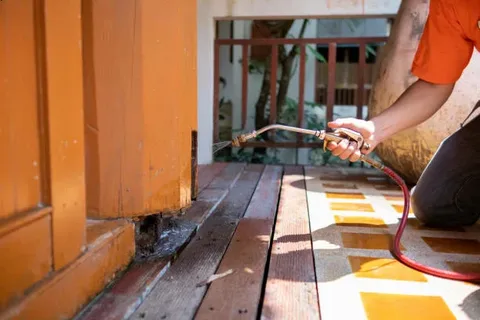
Termites can remain hidden for a long time, often causing damage inside wooden structures, door frames, cabinets, floors, and other parts of a property before obvious signs appear. For homeowners searching for a termite control service near me, the most important step is not simply choosing the nearest provider. It is understanding what kind of termite problem you have, how the property should be inspected, and which treatment approach is appropriate.
In Pakistan, properties can differ considerably in construction, soil conditions, moisture exposure, and the amount of wood used indoors. These factors can influence how termite treatment should be planned. A proper service should therefore begin with an inspection rather than immediately applying chemicals.
Start With a Termite Inspection
A reliable termite-control process begins by identifying where termites are active and how they may be entering or moving through the property.
During an inspection, areas worth checking include:
- Wooden doors and window frames
- Cabinets and built-in furniture
- Wooden flooring and skirting
- Roof or ceiling areas where wood is present
- Damp or poorly ventilated spaces
- Cracks and gaps around foundations
- Soil near the building
- Areas where wood comes into contact with soil
- Previously treated sections of the property
Some termite damage is easy to notice, such as hollow-sounding wood, visible tunnels, or damaged surfaces. Other activity may be hidden behind walls, floors, or fixtures.
This is why treating only the area where damage is visible may not address the underlying problem.
Understand What Type of Treatment Your Property Needs
Not every termite problem should be approached in exactly the same way. The suitable method depends on the construction of the property, the location of the infestation, the termite species involved, and whether the objective is to control an existing infestation, protect new construction, or both.
Soil Treatment
For properties where termites are entering from the soil, treatment may involve creating a chemical barrier in appropriate soil areas around or beneath the structure.
The exact application method depends on the building and site conditions. Drilling, trenching, or other procedures may sometimes be considered, but these should be determined after inspection.
Wood Treatment
Where termites are affecting wooden components, treatment may focus on the affected timber or surrounding areas.
Damaged wood should not automatically be replaced before the extent of the infestation is understood. In some situations, treatment and monitoring may be necessary before deciding whether replacement is required.
Baiting and Monitoring
Termite bait systems use treated material designed to be found and consumed by termites. The objective is to affect the colony through termite behavior rather than simply creating a chemical barrier around the entire building.
Baiting can involve regular inspection and replacement or replenishment of bait, depending on the system being used.
What to Ask a Termite Control Provider
When comparing a termite control service near me, ask practical questions rather than focusing only on the advertised treatment name.
A useful checklist includes:
- Will you inspect the entire property before treatment?
- Where do you believe the termites are entering from?
- What treatment method do you recommend and why?
- Which pesticide or treatment product will be used?
- What safety instructions should occupants follow?
- Are children, pets, or sensitive occupants required to stay away during application?
- Will you provide instructions for preparing the property?
- Is follow-up inspection included?
- What should I do if termite activity returns?
- Will you provide treatment documentation?
Clear answers to these questions can make it easier to compare services on the basis of the actual work involved.
Don't Choose a Service Based Only on Distance
The phrase "near me" is useful for finding local providers, but proximity should not be the only consideration.
A nearby service may be convenient, but termite control involves more than applying a product. Inspection, treatment selection, application technique, safety procedures, and follow-up can all affect the overall process.
For example, imagine two homes with visible termite damage in a wooden door frame. One may have an isolated problem associated with moisture, while another may have a wider infestation affecting multiple parts of the building. Treating both properties in exactly the same way would not necessarily make sense.
A good provider should be able to explain the reasoning behind the recommended treatment.
Check the Chemicals and Safety Instructions
Before treatment, ask what product or active ingredient will be used and request the relevant label or safety information where appropriate.
Pesticides must be used according to their product directions and applicable requirements. More chemical does not automatically mean better termite control.
Occupants may need to leave particular areas during application, remove or cover certain items, ventilate rooms afterward, or follow other precautions. The exact requirements depend on the product and application method.
If a provider cannot clearly explain basic safety precautions, that is an important point to investigate before proceeding.
Fix the Conditions That Help Termites
Professional treatment can address termite activity, but property maintenance also matters.
Moisture is particularly important because leaks and damp conditions can make parts of a building more favorable to termites and can also contribute to wood deterioration.
After treatment, homeowners should look for issues such as:
- Leaking plumbing
- Poor drainage around the property
- Persistent dampness
- Water accumulating near foundations
- Wood stored directly against walls or soil
- Damaged wooden structures
- Poor ventilation in enclosed areas
Correcting these conditions can help reduce the factors that contribute to future problems.
Warning Signs You Shouldn't Ignore
Termites are not always immediately visible. Watch for changes such as:
- Wood that sounds hollow when gently tapped
- Small holes or damaged wooden surfaces
- Mud tubes or shelter tubes
- Discarded wings around windows or lights
- Doors or windows becoming difficult to open
- Bubbling or damaged finishes over wooden structures
- Repeated signs of insect activity around timber
Not every sign necessarily confirms termites. For example, moisture damage and other wood-destroying organisms can produce some similar symptoms. An inspection can help distinguish between possible causes.
A Simple Homeowner Checklist
Before hiring a termite-control provider in Pakistan, keep these five points in mind:
Inspect first: Find out where activity is occurring before choosing a treatment.
Ask for an explanation: The provider should explain why a particular method is suitable.
Understand the product: Know what is being applied and what safety measures are required.
Address moisture: Repair leaks and drainage problems that may contribute to property deterioration.
Plan for follow-up: Termite management may require monitoring rather than assuming that one application ends the problem permanently.
Frequently Asked Questions
How do I find a termite control service near me in Pakistan?
Start by looking for providers serving your city or area, then compare their inspection process, treatment methods, safety procedures, and follow-up arrangements. Local availability matters, but the quality and suitability of the proposed treatment are also important.
Is termite treatment necessary if I only see a small amount of damage?
A small visible area does not necessarily mean the infestation is small. Termites can remain hidden inside structures or below ground. An inspection can help determine whether the visible damage is isolated or part of a larger problem.
How often should a property be checked for termites?
There is no single inspection interval that applies to every building. Factors such as property construction, previous termite activity, moisture conditions, and the treatment system used can affect monitoring needs. Follow the recommendations provided after the inspection and treatment.
Can I prevent termites without professional treatment?
Some maintenance measures can reduce conditions that support termite activity, such as repairing leaks, improving drainage, and avoiding unnecessary wood-to-soil contact. However, an established infestation may require professional assessment and treatment.
Should I repair damaged wood before termite treatment?
It is generally better to determine the extent and cause of the damage first. Replacing damaged wood without addressing active termite activity may leave the underlying problem unresolved.
Final Thoughts
Finding a termite control service near me should be the beginning of a careful evaluation, not simply a search for the closest provider. For homeowners in Pakistan, the right approach starts with inspection, continues with a treatment method suited to the property, and includes sensible safety precautions and ongoing maintenance.
The goal is not just to deal with visible termite damage. It is to understand how termites are accessing the property, address active activity appropriately, and reduce conditions that can contribute to future problems.

 English
 French
 Spanish
 Portuguese
 Deutsch
 Turkish
 Dutch
Dutch
 Italiano
 Russian
 Romaian
 Portuguese (Brazil)
 Tiếng Việt