
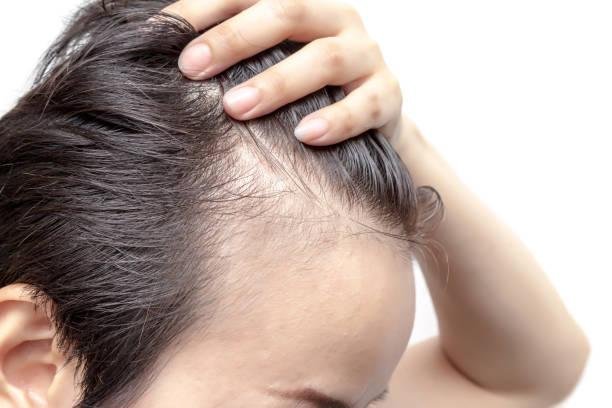
Knowing what happens during a hair restoration session can make the experience feel much more straightforward, especially if you are considering the procedure for the first time. PRP Hair Treatment in Riyadh is a minimally invasive treatment that uses platelet-rich plasma prepared from your own blood to support existing hair follicles. From the initial scalp assessment to the final injections, each stage has a specific purpose. Understanding the process beforehand can help you arrive prepared, ask relevant questions, and develop realistic expectations about the treatment.
A typical PRP Hair Treatment in Riyadh session involves several steps, including consultation, blood collection, processing the sample, preparing the scalp, and administering the platelet-rich plasma. The exact technique can differ depending on the provider, the condition of your scalp, and the pattern of hair thinning. PRP is generally intended to support existing follicles rather than create entirely new ones, which is why an individualized assessment is important before treatment begins.
Step 1: Initial Scalp Assessment
The session generally begins with a review of your hair-loss concerns and an examination of the scalp. The healthcare professional may look at areas such as the hairline, crown, or parting to understand where thinning is most noticeable. Your medical history, medications, previous treatments, and general health may also be discussed. This initial assessment helps determine whether PRP is an appropriate option for your particular situation.
Discussing Your Hair Goals
You may be asked when you first noticed thinning, whether shedding has increased, and what changes you hope to achieve. Sharing accurate information helps the provider understand your expectations and identify factors that may influence treatment planning. It is also a useful opportunity to ask about the expected timeline, number of sessions, possible side effects, and aftercare.
Step 2: Preparing the Blood Sample
Once the treatment plan is confirmed, a small amount of blood is collected, usually from the arm. The amount required depends on the clinical protocol. The sample is then prepared for processing so that the platelet-rich portion can be separated from other blood components.
Separating Platelet-Rich Plasma
The blood sample is placed into specialized equipment that separates its components. The resulting platelet-rich plasma contains a higher concentration of platelets and associated growth factors than ordinary blood. These components are the central part of PRP therapy and are prepared for targeted use on the scalp.
Step 3: Preparing the Scalp
Before the PRP is administered, the treatment area is prepared according to the clinic’s procedure. The scalp may be cleaned carefully to maintain an appropriate treatment environment. Depending on the individual and clinical technique, a provider may also use measures intended to improve comfort during the injection stage.
Identifying Treatment Areas
The provider determines where the PRP should be introduced based on the pattern of thinning and the treatment plan. Targeted areas may include the crown, hairline, or other regions where existing hair has become less dense. Careful placement allows the procedure to focus on the areas being addressed rather than treating the scalp without a specific strategy.
Step 4: Administering PRP to the Scalp
The prepared platelet-rich plasma is introduced into selected areas through multiple small injections. The provider distributes the PRP according to the treatment plan, aiming to place it close to existing hair follicles. You may feel brief pinching or pressure during individual injections, although the level of discomfort varies from person to person.
What Does the Injection Process Feel Like?
Because the scalp contains many sensitive areas, some patients may notice mild discomfort during injections. The experience can vary according to personal sensitivity, the number of injection sites, and the technique used. Discussing comfort concerns with your provider before the procedure allows them to explain what measures may be available to make the session easier.
Step 5: Completing the Session
Once the planned areas have been treated, the provider reviews the immediate aftercare instructions. You may be advised about when to wash your hair, which scalp products to avoid, and whether strenuous activity should be limited temporarily. These instructions can vary according to the treatment technique and your individual circumstances, so following the clinic’s specific guidance is important.
The scalp may feel tender or sensitive immediately after treatment. Mild redness, swelling, or localized discomfort can also occur in some people. These effects are generally temporary, but patients should contact their healthcare provider if they experience an unexpected or concerning reaction.
How Long Does a PRP Session Take?
The duration of a PRP appointment can vary because the process includes consultation, blood collection, preparation, and scalp injections. Treatment area and clinical protocol can also affect the overall appointment length. Rather than focusing only on the clock, patients should allow enough time for the provider to perform the procedure carefully and review the necessary aftercare instructions.
What Happens After the Session?
PRP does not usually produce immediate visible hair growth because hair follicles follow natural growth cycles. Any changes in hair thickness or density may develop gradually over time. Some treatment plans involve multiple sessions, with progress assessed between appointments. PRP Hair Treatment in Riyadh should therefore be viewed as a process that requires patience and appropriate follow-up rather than an instant transformation.
Monitoring Your Progress
Follow-up can help the provider evaluate how your scalp and hair are responding to treatment. Consistent photographs or clinical assessments may be used to compare changes over time. If the response is different from what was expected, the provider can discuss whether adjustments or other treatment options should be considered.
Is PRP Suitable for Everyone?
PRP is not appropriate for every cause or stage of hair loss. Its potential usefulness depends on factors such as the underlying reason for thinning, the condition of existing follicles, scalp health, and individual medical circumstances. A professional assessment is therefore essential before treatment. Sudden or unexplained hair loss may require investigation of the underlying cause before any cosmetic hair procedure is selected.
Book an Appointment at Royal Clinic Saudia
If you want to understand whether PRP could be suitable for your hair concerns, a professional consultation is a practical first step. Royal Clinic Saudia can help you discuss your hair-loss pattern, understand each stage of a PRP session, and receive personalized guidance about treatment and aftercare.

 English
 Arabic
 French
 Spanish
 Portuguese
 Deutsch
 Turkish
 Dutch
Dutch
 Italiano
 Romaian
 Portuguese (Brazil)
 Tiếng Việt