
Cryogenic flow control valves are specially engineered to regulate, isolate, and control fluids at extremely low temperatures. Unlike conventional industrial valves, they must maintain sealing performance, material integrity, and operational reliability when handling cryogenic media such as liquid nitrogen, oxygen, hydrogen, LNG, and other liquefied gases. Proper valve selection is therefore essential for applications where temperature, pressure, leakage control, and safety are critical.
What Is a Cryogenic Flow Control Valve?
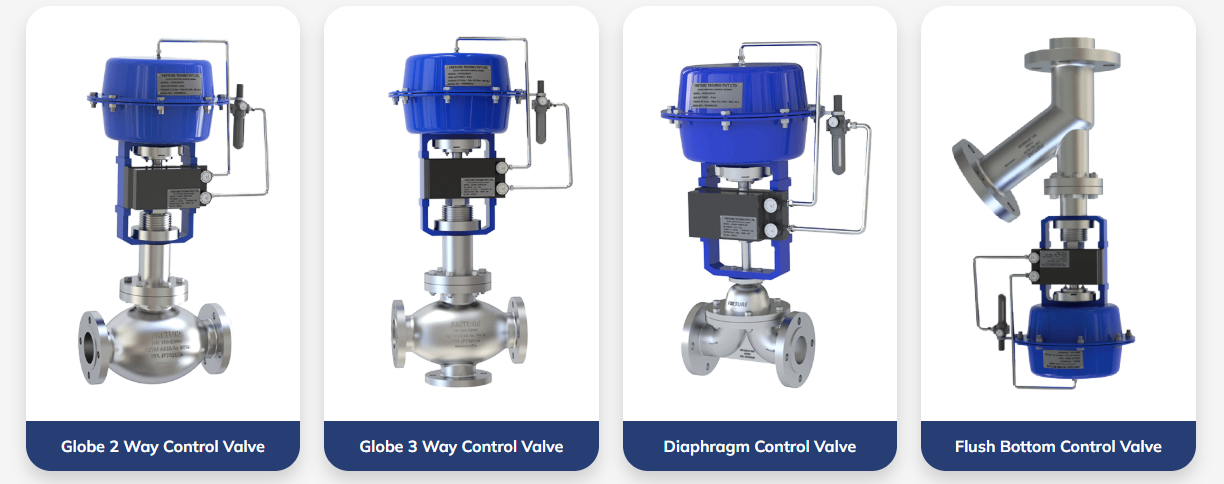
A cryogenic flow control valve is a valve designed to manage the flow of fluids maintained at cryogenic temperatures. Depending on the application, these valves may be used for throttling, isolation, or precise flow regulation. Their construction typically incorporates suitable low-temperature materials, extended bonnets, specialized packing arrangements, and sealing systems designed to minimize heat transfer and prevent leakage.
The extended bonnet is particularly important because it helps keep the valve stem and packing away from the extremely cold process fluid. This helps protect the sealing components from excessive cooling and supports reliable valve operation.
How Does a Cryogenic Flow Control Valve Work?
The operating principle depends on the valve design. When the actuator or handwheel moves the stem, the valve's internal closure element changes position to regulate the flow passage. In a control application, the valve can be positioned at different opening levels to adjust flow according to process requirements.
For cryogenic service, the valve must maintain controlled movement despite thermal contraction and extremely low operating temperatures. Proper stem, seat, packing, and body design helps ensure consistent performance while reducing the possibility of fugitive emissions or external leakage.
Key Features of Cryogenic Valves
Cryogenic flow control valves generally require several specialized design features:
- Low-temperature compatible materials for maintaining mechanical strength and toughness.
- Extended bonnet construction to protect the stem and packing from cryogenic temperatures.
- Reliable sealing systems to minimize external and internal leakage.
- Suitable seat materials selected according to the cryogenic medium and temperature.
- Actuation options such as manual, pneumatic, or electric operation depending on process requirements.
- Pressure and temperature-rated construction suitable for the specific service conditions.
These features make cryogenic valves suitable for demanding fluid-handling systems where conventional valve designs may not provide sufficient reliability.
Applications of Cryogenic Flow Control Valves
Cryogenic valves are used across several industries where liquefied gases and extremely low temperatures are part of the process. Common applications include LNG facilities, industrial gas plants, hydrogen systems, oxygen and nitrogen handling, petrochemical facilities, aerospace applications, and cryogenic storage and transfer systems.
In LNG applications, valves may be installed in storage, transportation, loading, unloading, and process systems. Industrial gas plants also depend on reliable cryogenic valves for handling liquefied oxygen, nitrogen, argon, and other gases.
Hydrogen applications can be particularly demanding because of the combination of low temperatures, pressure, material compatibility, and leakage-control requirements. Valve construction must therefore be selected according to the complete operating envelope rather than temperature alone.
How to Select a Cryogenic Flow Control Valve
Selecting the correct valve begins with understanding the process conditions. Important parameters include medium, minimum and maximum temperature, operating and design pressure, flow rate, required flow characteristic, valve size, connection type, material compatibility, and actuation requirements.
The valve should also be evaluated for its sealing performance and suitability for the specific cryogenic medium. For oxygen service, for example, cleanliness and material compatibility are particularly important. For LNG and hydrogen applications, leakage control and appropriate material selection become equally critical.
It is also important to consider maintenance requirements, accessibility, installation orientation, and the expected operating cycle of the valve. Choosing a valve based only on nominal size or pressure class can result in unsuitable performance.
Why Reliable Cryogenic Valve Design Matters
Failure in a cryogenic system can lead to process interruption, product loss, safety hazards, or equipment damage. A properly engineered cryogenic flow control valve helps maintain stable process control while supporting safe handling of low-temperature fluids.
Testing and quality assurance are equally important. Depending on the application and applicable standards, valves may undergo pressure, leakage, functional, and low-temperature performance testing to verify their suitability for service.
Conclusion
A cryogenic flow control valve is a critical component for applications involving extremely low-temperature fluids. Its performance depends on appropriate materials, extended bonnet design, dependable sealing, accurate flow regulation, and suitability for the actual pressure and temperature conditions. By evaluating the complete process requirements and selecting a valve engineered specifically for cryogenic service, industries can improve operational reliability, leakage control, and overall system safety.

 English
 Arabic
 French
 Spanish
 Portuguese
 Deutsch
 Turkish
 Dutch
Dutch
 Italiano
 Romaian
 Portuguese (Brazil)
 Tiếng Việt