
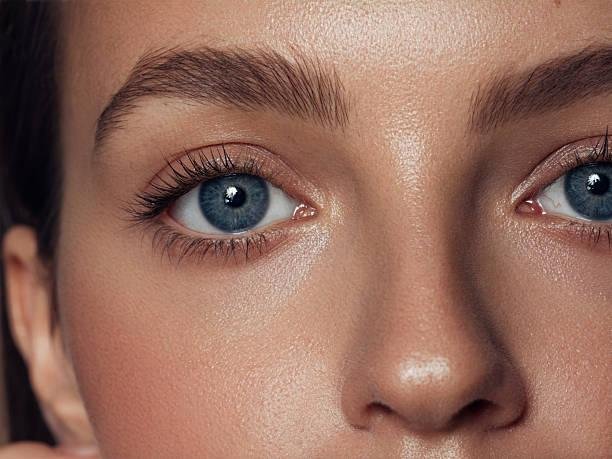
Puffy eyes can make the face look tired, swollen, or older, even when you feel well rested. The appearance may result from aging, genetics, excess fat around the eyes, loose skin, or temporary fluid retention. For people with persistent puffiness caused by structural changes, Eyelid Surgery in Riyadh may offer a way to improve the contour of the upper or lower eyelids and create a more refreshed appearance.
Not all puffy eyes have the same cause, so identifying what is contributing to the fullness is an important first step. Eyelid Surgery in Riyadh can be customized to address concerns such as excess eyelid skin or prominent fat pockets, depending on the individual's anatomy. A qualified surgeon can assess the eye area and recommend an approach that focuses on both appearance and eyelid function.
What Causes Puffy Eyes?
Puffiness around the eyes can develop for several different reasons. Understanding the cause helps determine whether surgery is likely to provide meaningful improvement.
Aging
As the skin becomes less elastic with age, the tissues supporting the eyelids may gradually weaken. Fat surrounding the eyes can also become more prominent, contributing to a fuller or heavier appearance.
Genetics
Some people naturally have fuller eyelids or prominent fat pads. Genetic characteristics can make puffy eyes noticeable even at a younger age.
Excess Skin
Loose skin on the upper or lower eyelids can create a heavier appearance. When combined with underlying tissue changes, it may make the eyes look increasingly puffy.
Temporary Swelling
Allergies, lack of sleep, crying, fluid retention, and other temporary factors can cause puffiness. This type of swelling generally requires addressing the underlying cause rather than undergoing surgery.
Can Eyelid Surgery Treat Puffy Eyes?
Eyelid surgery can improve certain types of persistent puffiness, particularly when excess skin or prominent fat contributes to the appearance. The procedure is often referred to as blepharoplasty and can be performed on the upper eyelids, lower eyelids, or both.
For the upper eyelids, the surgeon may remove carefully selected excess skin and address underlying tissue when appropriate. For lower-eyelid puffiness, treatment may involve removing or repositioning protruding fat and, in selected cases, addressing loose skin.
The aim is not simply to remove volume. Maintaining appropriate tissue around the eyes is important for achieving a natural appearance and supporting normal eyelid function.
Upper Eyelid Surgery for Puffy Eyes
Upper eyelid puffiness can be associated with excess skin, prominent fat, or changes in the tissues above the eyes.
Removing Excess Skin
If loose skin contributes to a heavy appearance, carefully planned skin removal may help create a smoother upper eyelid contour.
Addressing Prominent Fat
In some patients, excess or prominent fat contributes to fullness near the inner portion of the upper eyelid. The surgeon may address this tissue when appropriate.
Improving the Eye Contour
The procedure is designed to create a more balanced appearance while preserving the natural crease and movement of the eyelid.
Lower Eyelid Surgery for Puffy Eyes
Lower-eyelid puffiness is often associated with prominent fat pockets beneath the eyes. Changes in skin elasticity and supporting tissues can make these areas more noticeable over time.
Fat Removal
When protruding fat is a primary cause of under-eye fullness, selected fat may be reduced to create a smoother contour.
Fat Repositioning
Rather than removing fat, a surgeon may reposition it in appropriate patients. This can help create a smoother transition between the lower eyelid and cheek.
Skin Correction
If excess lower-eyelid skin is also present, carefully planned skin removal may be considered as part of the overall treatment.
Who May Be a Good Candidate?
A person with persistent puffy eyes caused by structural changes may be considered for eyelid surgery. However, candidacy depends on several factors.
Persistent Puffiness
Surgery is generally more relevant when puffiness is caused by stable changes in skin or underlying tissues rather than temporary swelling.
Good General Health
A suitable candidate should be healthy enough for an elective procedure and should discuss relevant medical conditions, medications, and previous eye procedures with the surgeon.
Realistic Expectations
Eyelid surgery can improve specific structural concerns, but it cannot prevent natural aging or eliminate every cause of puffiness. Understanding the likely outcome is an important part of the consultation.
What Happens During Eyelid Surgery?
The technique depends on whether the upper eyelids, lower eyelids, or both require correction. Before surgery, the surgeon evaluates the amount of excess skin, fat distribution, eyelid position, and surrounding facial structures.
During the procedure, carefully planned incisions provide access to the tissues that need correction. Excess skin may be removed, while fat may be reduced or repositioned when appropriate. The surgeon aims to make measured adjustments rather than removing excessive tissue.
Because the anatomy around the eyes is delicate, individualized surgical planning is important for maintaining a natural-looking result and normal eyelid function.
Recovery After Surgery
Swelling and bruising are common during the early healing period. These effects usually improve progressively as the tissues recover.
Early Healing
Patients may experience tightness, mild discomfort, bruising, or temporary changes around the eyes. Following postoperative instructions can help support the healing process.
Gradual Improvement
The appearance of the eyes can change considerably as swelling decreases. Results should not be judged immediately after surgery because the tissues require time to settle.
Long-Term Results
Once healing is complete, improvements related to excess skin or prominent fat can be long-lasting. However, natural aging and other changes can gradually affect the eye area again.
Benefits of Eyelid Surgery for Puffy Eyes
When puffiness is caused by structural changes, eyelid surgery may provide several aesthetic and functional benefits:
-
Creates a smoother eyelid contour.
-
Reduces the appearance of persistent fullness.
-
Makes the eyes appear more refreshed.
-
Can improve balance between the eyelids and surrounding facial features.
-
Provides personalized correction based on individual anatomy.
For patients considering Eyelid Surgery in Riyadh, a professional assessment is important because the ideal treatment depends on the specific cause of puffiness. A specialist can distinguish between excess skin, prominent fat, temporary swelling, and other factors before recommending a procedure.
Potential Risks and Considerations
Like any surgical procedure, eyelid surgery has potential risks. These may include swelling, bruising, temporary irritation, asymmetry, scarring, changes in sensation, dry eyes, or changes in eyelid position. More significant complications are uncommon but should be discussed during consultation.
Patients should provide accurate information about their health, medications, allergies, and previous eye treatments. Following the surgeon's instructions before and after surgery is also important for supporting recovery.
Book an Appointment at Royal Clinic Saudia
If persistent puffy eyes are affecting your appearance, a consultation can help identify the underlying cause and determine whether eyelid surgery may be appropriate. Royal Clinic Saudia provides personalized guidance based on individual eyelid anatomy and aesthetic goals. Contact the clinic to discuss your concerns and explore suitable treatment options.

 English
 Arabic
 French
 Spanish
 Portuguese
 Deutsch
 Turkish
 Italiano
 Russian
 Romaian
 Portuguese (Brazil)
 Tiếng Việt