
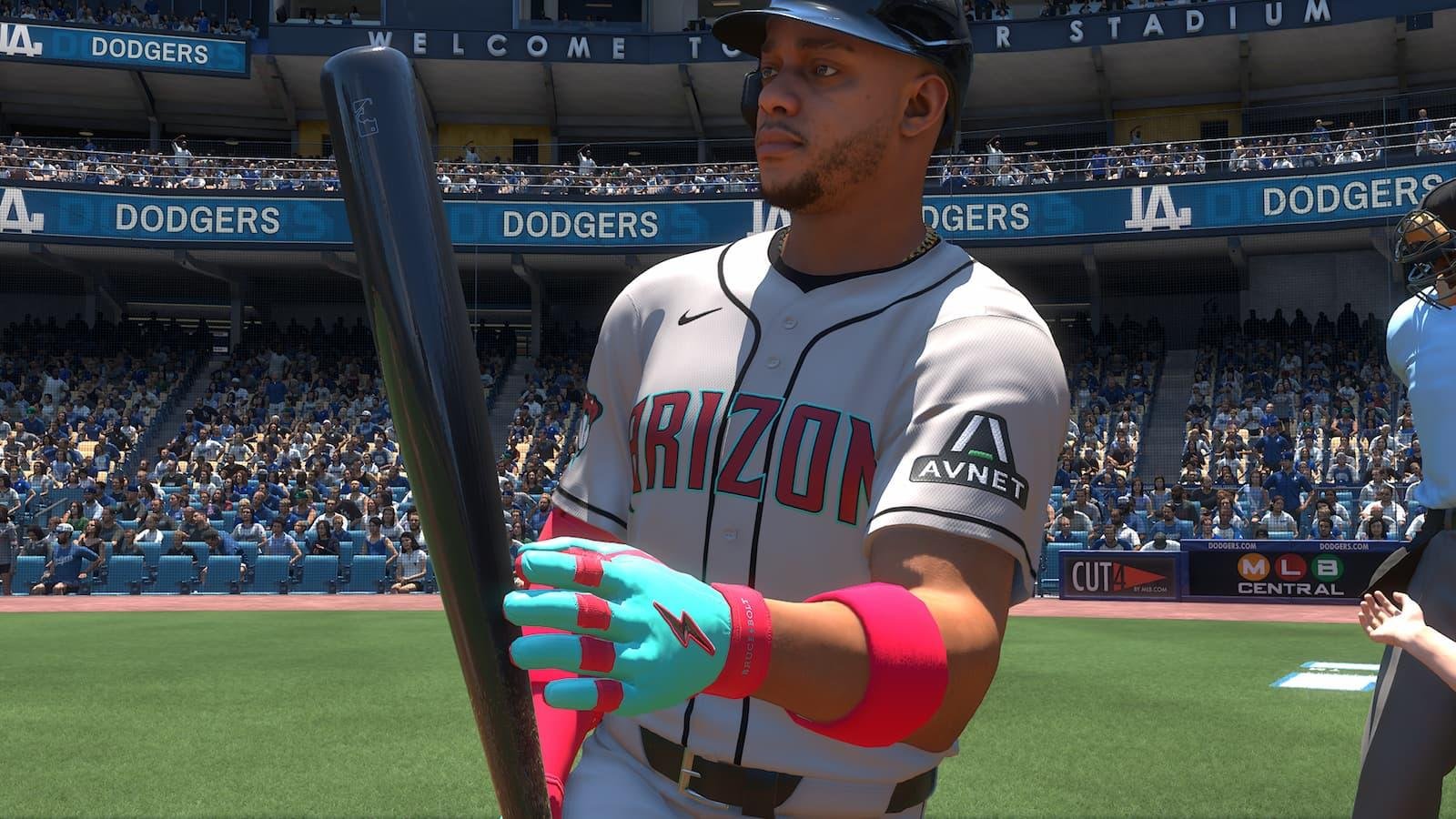
In MLB The Show 26 Diamond Dynasty, a well-built bench matters most when the game stops following your ideal lineup script. Players often invest heavily in starters and MLB 26 stubs, then fill the remaining spots with more highly rated hitters. That looks strong in the lineup screen, but it can leave you without an answer in the seventh inning. A useful bench is not a smaller version of your starting nine; it is insurance for matchups, baserunning, defense, and unexpected substitutions.
Build for Situations, Not Just Ratings
The best bench starts with an honest look at what your starting lineup cannot do. If every reserve has similar hitting attributes and plays the same corner positions, you have spent four roster spots on the same answer.
◆ Carry a left-handed power option if your lineup lacks a threat against tough right-handed pitching.
◆ Keep a right-handed contact bat for late at-bats where putting the ball in play matters more than raw power.
◆ Reserve one spot for real speed, especially if your best hitters are slow runners.
◆ Use a flexible defender who can cover multiple infield or outfield positions.
This setup does not require every reserve to be an elite card. It requires each one to give you a decision you could not otherwise make. That is much more valuable than having another hitter who only looks good in a menu.
Use Platoon Bats at the Right Moment
A platoon hitter earns his place by targeting a specific pitching matchup. The common mistake is pinch-hitting as soon as the matchup appears favorable. If you reveal your move too early, the opponent can simply make another pitching change and force you to spend a bench piece without gaining much.
Wait until the opposing player appears committed to the reliever, then make the substitution. This is especially important in close games, where one strong at-bat can be worth more than preserving a slightly better matchup for later.
Do not treat handedness as an automatic rule, either. A hitter you personally see well with can be more valuable than a card with prettier attributes. Competitive games are won by useful swings, not theoretical ones. If a reserve consistently gives you better timing and better takes in pressure counts, that player has a clear role.
Speed Creates Pressure That Ratings Cannot Show
Late-game speed is one of the easiest bench advantages to understand and one of the hardest to defend. When a slow power hitter reaches first with your team behind by a run, replacing him with a fast runner can change the entire plate appearance that follows.
◆ A fast runner turns a routine single into a possible scoring opportunity.
◆ The threat of a steal can alter pitch selection and delivery timing.
◆ Defensive positioning may shift when the opponent must protect against movement.
◆ Hit-and-run possibilities become more believable with a runner who can reach the next base quickly.
You do not need to steal every time. The pressure itself has value. A rushed pitch, a distracted catcher, or a defensive adjustment can create the opening your next hitter needs.
Protect Leads Before the Pressure Play
When you are ahead, offense should no longer be the only priority. A weak defender with a great bat may have done his job already. If a cleaner defender can improve range, reactions, arm strength, or positional comfort, make that move before a ball is hit in his direction.
Multi-position players are especially valuable here. A reserve who can handle shortstop, second base, third base, or an outfield spot lets you react without creating another defensive problem elsewhere. That flexibility also protects you in extra innings or after several pinch-hitting decisions.
For MLB The Show 26 players considering roster upgrades or MLB 26 stubs for sale, prioritize cards that solve a real weakness on your current team. Build the bench around decisions you expect to face, save one versatile option for emergencies, and let your final innings become harder for opponents to manage.
MLB The Show 26 Bench Guide by U4GM: What to Carry

 English
 Arabic
 French
 Spanish
 Portuguese
 Deutsch
 Turkish
 Dutch
Dutch
 Russian
 Romaian
 Portuguese (Brazil)
 Tiếng Việt