
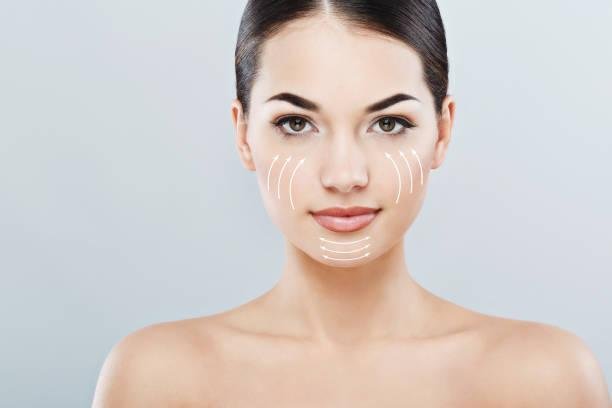
A facelift is a surgical procedure designed to address visible signs of facial aging, including sagging skin, jowls, and loss of definition around the lower face and jawline. While the procedure itself takes place in a single surgical session, the final appearance develops gradually as swelling decreases and tissues heal. Understanding the recovery timeline can help patients prepare realistically for each stage.
For anyone considering facelift in riyadh, knowing what happens after surgery can be just as important as understanding the procedure itself. Recovery varies from person to person depending on the surgical technique, individual healing response, overall health, and whether other procedures are performed at the same time. Following postoperative instructions carefully can support a smoother recovery.
The First Few Days After Facelift Surgery
The first several days are generally focused on rest, monitoring, and controlling swelling and discomfort. Patients may experience tightness, bruising, swelling, numbness, or temporary sensitivity around the treated areas.
What to Expect Immediately After Surgery
A surgical dressing or supportive garment may be used depending on the surgeon's approach. Some patients may also have temporary drains to help remove excess fluid. It is normal for the face to look swollen or uneven during this early stage.
Keeping the head elevated while resting can help reduce swelling. Patients are usually advised to avoid strenuous activity, bending, heavy lifting, and anything that could increase pressure around the face.
The First Week of Facelift Recovery
During the first week, bruising and swelling are often still noticeable, although they may gradually begin to improve. Follow-up appointments are important during this period so the surgeon can assess healing and address any concerns.
Managing Swelling and Bruising
Cold compresses may sometimes be recommended, but they should only be used according to the surgeon's instructions because recently operated areas can have reduced sensation. Taking prescribed or recommended medication as directed can also help manage discomfort.
Patients should avoid touching, rubbing, or putting unnecessary pressure on healing areas. Gentle movement around the home may be encouraged, while strenuous exercise should generally be postponed until the surgeon gives clearance.
Weeks Two to Three: Visible Recovery Progress
By the second and third weeks, many patients notice that bruising has significantly faded and swelling is becoming less obvious. However, the face may still feel tight, firm, numb, or slightly different from its eventual appearance.
Returning to Everyday Activities
Depending on individual healing and the surgeon's recommendations, patients may gradually resume some normal activities during this stage. Returning to work depends on the type of work performed and how comfortable the patient feels with any remaining swelling or bruising.
Social activities can also be resumed gradually, but patients should continue protecting the healing skin and avoiding activities that could place unnecessary strain on the surgical areas.
One Month After Facelift Surgery
Around one month after surgery, the overall facial appearance may look considerably more settled. Most obvious bruising is typically reduced, but subtle swelling can remain, particularly around areas that underwent more extensive tissue adjustment.
Changes You May Notice
The lower face and jawline may begin to show improved definition as swelling decreases. Incision areas may still appear pink or firm, and temporary numbness can persist in some areas.
This stage is not necessarily the final result. Healing continues underneath the skin, so patients should avoid judging the outcome too early.
Two to Three Months After Surgery
At approximately two to three months, many of the visible signs of surgery have continued to improve. Facial tissues gradually soften, sensation may return, and scars can become less noticeable over time.
For patients undergoing Facelift in Riyadh, this stage can provide a better indication of how the procedure is settling into the individual's natural facial contours. However, subtle changes may continue beyond this point.
Why Results Continue to Develop
Healing occurs in stages. Even after external swelling has decreased, deeper tissues can continue adjusting. Scar maturation and changes in skin and soft-tissue texture can also take time.
Six Months and Beyond: Moving Toward Final Results
By around six months, many patients have experienced substantial healing and can appreciate a more refined outcome. Remaining swelling is usually much less noticeable, and scars may continue becoming softer and less visible.
Understanding the Final Outcome
A facelift does not stop the natural aging process. The procedure can address existing laxity and improve facial contours, but the face will continue to change naturally over time.
The final result can depend on factors such as surgical technique, tissue characteristics, lifestyle, sun exposure, smoking or nicotine use, and individual healing. Maintaining healthy habits and protecting the skin from excessive sun exposure can support long-term skin health.
Factors That Can Affect Facelift Recovery
Not everyone follows exactly the same recovery timeline. Several factors can influence how quickly someone heals.
Surgical Technique and Treatment Area
The extent of the procedure can affect recovery. A facelift combined with a neck lift or another facial procedure may involve a different healing timeline than a facelift performed alone.
Individual Healing Response
Age, general health, skin characteristics, medications, and other personal factors can influence recovery. Following preoperative and postoperative instructions can help reduce avoidable complications.
Lifestyle During Recovery
Smoking or nicotine exposure can interfere with wound healing. Patients should follow their surgeon's recommendations regarding nicotine, exercise, sun exposure, skincare products, and other lifestyle factors during recovery.
When Should You Contact Your Surgeon?
Some swelling, bruising, tightness, and temporary numbness can be expected after surgery. However, patients should contact their surgical team if they experience symptoms that seem unusual or become increasingly severe.
Signs such as rapidly worsening swelling, significant bleeding, severe pain, fever, drainage, breathing difficulties, or other concerning changes require prompt medical attention. It is always better to discuss a concern with the surgical team rather than trying to diagnose a postoperative problem independently.
How to Support a Smooth Recovery
Following the surgeon's instructions is one of the most important parts of recovery. Attend scheduled follow-up visits, take medications as directed, protect incision areas, maintain appropriate hygiene, and gradually return to normal activities only when cleared.
Patients should also be patient with the healing process. Early swelling can make the face appear different from the expected outcome, but this does not necessarily represent the final result.
Book an Appointment
If you are considering Facelift in Riyadh, a consultation can help you understand the expected recovery timeline based on your facial anatomy, treatment goals, and planned surgical approach. Royal Clinic Saudia can provide an individualized assessment and discuss appropriate options for facial rejuvenation.
FAQs:
How long does facelift recovery usually take?
Initial recovery often takes several weeks, while subtle swelling, scar changes, and tissue settling can continue for several months.
When can I return to work after a facelift?
The timing varies according to your healing progress and type of work. Your surgeon can advise when returning to work is appropriate.
When will I see the final facelift results?
A noticeable improvement develops as swelling decreases, but the final appearance may continue refining for several months.
Can swelling make my face look uneven after a facelift?
Yes. Temporary uneven swelling can occur during healing. Persistent or concerning asymmetry should be evaluated by your surgeon.

 Arabic
 French
 Spanish
 Portuguese
 Deutsch
 Turkish
 Dutch
Dutch
 Italiano
 Russian
 Romaian
 Portuguese (Brazil)
 Tiếng Việt