
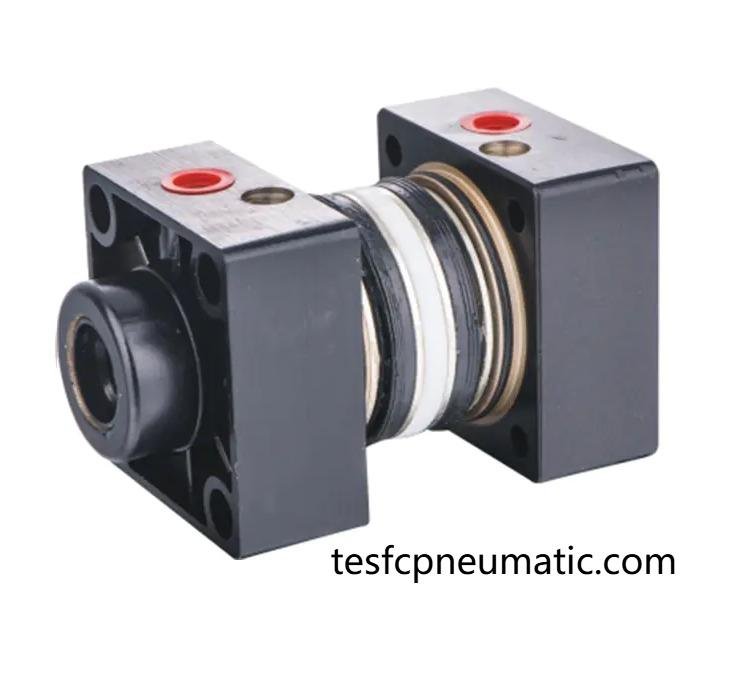
Reliable workholding is an important part of automated manufacturing because a stable workpiece position can influence machining, assembly, inspection, and handling processes. For companies choosing a Pneumatic Clamp Cylinder, the right solution should be evaluated as part of the complete machine rather than as an isolated component. Material selection, purchasing priorities, functional engineering, technological development, user experience, maintenance, and appearance can all influence how naturally the product fits the intended production environment.
Material selection should reflect the role of each component within the clamping mechanism. The cylinder body, piston, rod, seals, guides, mounting elements, and connection sections may experience repeated motion, compressed air, mechanical contact, dust, moisture, or cleaning activity. Manufacturers can therefore consider wear resistance, corrosion resistance, surface quality, structural stability, sealing compatibility, and machining behavior when developing the product.
The relationship between different materials is especially important when moving components work together repeatedly. Suitable surface treatments can support smoother interaction between parts, while appropriate sealing materials can help maintain dependable pneumatic operation. External materials and finishes should also reflect the conditions of the surrounding production area so that inspection and routine care remain manageable.
The application environment should remain central to material planning. A clamping component installed in a clean assembly area may face different maintenance expectations from one operating close to machining operations. Customers can communicate environmental conditions, workpiece characteristics, cleaning practices, and installation routines so manufacturers can develop a more appropriate material strategy for the application.
Purchasing decisions should begin by defining what the clamping component needs to accomplish. Buyers can consider the type of workpiece, fixture arrangement, machine sequence, available installation space, access for servicing, and relationship with other pneumatic components. Understanding the complete workholding process can help businesses identify which product characteristics are genuinely important.
Compatibility is another useful consideration. A clamping component may operate with valves, tubing, fittings, sensors, guides, brackets, and control systems. Buyers should consider whether the selected product can be integrated smoothly into the existing machine architecture. Early coordination can reduce design conflicts and make machine development more organized.
Supplier selection is equally important. Businesses can evaluate manufacturing experience, material knowledge, engineering communication, quality management, customization capability, production organization, and customer responsiveness. A supplier that participates in application discussions can help customers identify practical solutions before production begins. Zhejiang Feishengya Pneumatic Components Co., Ltd. develops pneumatic products with attention to different industrial environments and customer application requirements.
Functional engineering focuses on how the clamping mechanism interacts with the workpiece and surrounding fixture. Designers need to coordinate movement components, contact areas, guides, seals, mounting structures, and pneumatic connections. A well-planned mechanism should provide controlled movement while remaining compatible with the broader machine process.
Workpiece interaction deserves particular attention. The clamping action should fit naturally into loading, positioning, holding, releasing, and removal procedures. Engineers can study the relationship between the clamp and fixture so that operators can manage the workpiece without unnecessary obstruction. This system-level perspective can also support more efficient machine operation.
Technology supports product development before manufacturing begins. Digital modelling can help engineers examine movement paths, mounting relationships, contact areas, component clearances, and machine interfaces. Virtual design review makes it easier to identify potential issues and communicate revisions between customers and engineering teams before tooling or production decisions are finalized.
Manufacturing technology contributes to consistency through machining, surface finishing, seal installation, assembly, inspection, and process management. Coordinating these stages helps manufacturers maintain closer control over component relationships. When customers require product variations, organized engineering and production workflows can also make design changes easier to manage.
Quality management should reflect the actual function of the component. Material checks, machining inspection, surface evaluation, sealing review, assembly control, and final product inspection can provide useful information throughout production. Customer feedback can then be used to identify opportunities for improving product construction and manufacturing processes.
User experience begins with installation. Machine builders and maintenance technicians need practical mounting arrangements and accessible connection points. Clear component organization can make installation easier to understand and support smoother integration into a fixture or automated machine.
Everyday maintenance also shapes the experience. Pneumatic equipment may operate near dust, oil, moisture, metal particles, or other production residues. Designers can consider accessible service areas, practical sealing structures, replaceable wear components, and easy-to-clean external surfaces. Maintenance-friendly construction can help reduce unnecessary interruptions during production.
The operating experience is also connected with movement quality. Consistent and predictable clamping action can make automated workholding easier to monitor and manage. When the component fits naturally into the machine sequence, operators and technicians can spend less effort adapting to the equipment itself.
Design and appearance have a practical role even for components that are primarily functional. A clean external structure can help the cylinder fit naturally within surrounding machinery, fixtures, and production equipment. Surface finishes, housing contours, connection placement, and visible component relationships can contribute to a more organized appearance.
Visual organization can also improve serviceability. When mounting areas, connections, covers, and functional sections are arranged clearly, technicians may find routine inspection easier. Industrial design therefore has the opportunity to support both aesthetics and practical understanding.
Customization can support machine builders, automation manufacturers, industrial distributors, and private-label businesses with specialized requirements. Customers may prefer different mounting concepts, structural arrangements, connection layouts, sealing solutions, material combinations, or surface treatments. Flexible product development allows manufacturers to refine these elements around specific applications while maintaining coordination between engineering and production.
Sustainability can also be considered during pneumatic component development. Manufacturers may review material utilization, machining efficiency, production waste, repairability, packaging practices, and product lifecycle. Better use of materials and service-friendly construction can support resource efficiency while remaining connected to practical industrial requirements.
Customer feedback provides another source of useful product-development information. Installers, machine builders, operators, and maintenance teams may identify opportunities related to mounting, workpiece handling, cleaning, inspection, servicing, and integration. Manufacturers can use this experience to refine future designs and improve production workflows.
Zhejiang Feishengya Pneumatic Components Co., Ltd. continues developing pneumatic products through practical engineering knowledge, manufacturing experience, quality-oriented production, and flexible cooperation with customers. Its approach connects material choices, workholding needs, fixture integration, manufacturing technology, installation, maintenance, user interaction, customization, and visual design throughout the development process. More information about its products and manufacturing capabilities is available at https://www.tesfcpneumatic.com/.

 English
 Arabic
 French
 Spanish
 Portuguese
 Deutsch
 Turkish
 Dutch
Dutch
 Russian
 Romaian
 Portuguese (Brazil)
 Tiếng Việt