
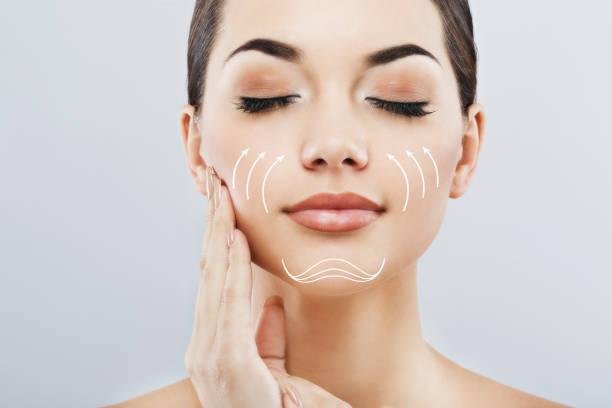
Fine lines and wrinkles are among the most visible signs of facial aging, but not all wrinkles develop for the same reason. Some are caused by loose, sagging skin, while others result from repeated facial expressions, sun exposure, or changes in skin quality. A facelift primarily addresses sagging tissues and excess skin rather than treating every type of wrinkle. For individuals considering facelift in riyadh, understanding which wrinkles may improve with surgery can help set realistic expectations.
How Facial Aging Creates Wrinkles
Loss of Skin Elasticity
As the skin ages, collagen and elastin production gradually decreases. This can make the skin less firm and more prone to creasing, contributing to fine lines and wrinkles.
Facial Tissue Descent
Aging can also cause deeper facial tissues to shift downward. This may contribute to folds around the cheeks, lower face, jawline, and neck. A facelift is particularly useful for addressing this type of age-related change.
Repeated Facial Expressions
Smiling, frowning, squinting, and other repeated expressions can create dynamic wrinkles. These lines may remain visible even when the face is relaxed and are not the primary target of facelift surgery.
Can a Facelift Reduce Fine Lines?
A facelift can reduce the appearance of some lines indirectly by repositioning sagging tissues and removing or tightening excess skin. When loose skin is improved, certain folds may appear softer and the overall face may look smoother. However, a facelift is not designed to erase every fine line.
Which Wrinkles May Improve?
Lower-Face Wrinkles
Wrinkles and folds associated with loose skin around the cheeks, jawline, and lower face may become less noticeable after a facelift.
Nasolabial Folds
Facial aging and tissue descent can contribute to folds between the nose and mouth. A facelift may soften the appearance of these folds, although the degree of improvement varies between individuals.
Marionette Lines
Lines extending from the corners of the mouth toward the chin may be influenced by lower-face sagging. Addressing underlying tissue descent can sometimes make these lines appear less prominent.
Which Wrinkles May Not Improve Significantly?
Forehead Lines
Horizontal forehead lines are generally related to repeated muscle movement and are not the main focus of a traditional facelift.
Frown Lines
Vertical lines between the eyebrows are commonly caused by facial muscle activity. A facelift does not directly target the muscles responsible for these expressions.
Crow's Feet
Fine lines around the eyes may be related to repeated movement, sun exposure, and skin quality. A facelift may not fully address these delicate lines.
Facelift and Skin Tightening
One reason the face may look smoother after surgery is the reduction of excess skin and improvement in tissue position. However, excessive skin tightening is not the goal. Modern facelift techniques generally aim to create balanced improvement while maintaining natural facial movement and proportions.
The Role of Skin Quality
Collagen and Elasticity
Skin elasticity influences how the skin responds to surgical repositioning. Individuals with reduced elasticity may have different expectations regarding surface wrinkles and skin smoothness.
Sun Damage
Long-term sun exposure can contribute to fine lines, uneven pigmentation, and changes in skin texture. A facelift cannot reverse all of these surface-level effects.
Facelift vs. Treatments for Dynamic Wrinkles
Because different wrinkles have different causes, some patients may benefit from treatments specifically designed for expression lines. Depending on individual needs, options such as neuromodulators or other non-surgical treatments may be considered after appropriate evaluation.
Can Other Treatments Complement a Facelift?
Injectable Treatments
Certain injectable treatments may address concerns related to facial movement or volume loss. Whether they are appropriate depends on the patient's anatomy and treatment goals.
Skin-Resurfacing Treatments
Laser treatments, chemical peels, or other skin-resurfacing approaches may be used to improve certain texture and surface concerns. These treatments should only be considered when the skin has sufficiently healed and with professional guidance.
Why Individual Assessment Matters
Every patient's wrinkles develop differently. During a consultation, a qualified surgeon can determine whether lines are primarily caused by sagging, volume changes, muscle movement, or skin quality. This assessment helps establish whether a facelift alone is likely to provide the desired improvement.
Does a Facelift Make the Face Look Younger?
By improving sagging tissues and excess skin, a facelift can create a more refreshed and rejuvenated appearance. It may soften certain folds and improve facial contours without necessarily removing every wrinkle. For those exploring Facelift in Riyadh, understanding the difference between facial rejuvenation and complete wrinkle removal is important.
What Happens to Wrinkles as You Age After Surgery?
A facelift does not stop the natural aging process. New wrinkles can develop over time as skin elasticity changes and facial expressions continue. However, the structural improvements created by surgery can provide long-lasting rejuvenation.
How to Support Long-Term Skin Quality
After your surgeon confirms that healing is complete, maintaining a consistent skincare routine can support overall skin health. Sun protection, hydration, healthy nutrition, sufficient sleep, and avoiding smoking can also contribute to healthier-looking skin over time.
Setting Realistic Expectations
A facelift should not be viewed as a procedure that eliminates every wrinkle. Its primary purpose is to address visible facial laxity and tissue descent. When expectations are realistic, patients can better appreciate the improvements that surgery is designed to provide.
Choosing the Right Treatment Approach
The most appropriate treatment depends on the specific causes of your facial aging. Some individuals may benefit from a facelift, while others may need a combination of surgical and non-surgical approaches. A personalized evaluation can help identify the most suitable strategy.
Making an Informed Decision
A facelift can soften certain wrinkles associated with sagging and excess skin, but it does not directly treat every type of fine line. Understanding the causes of your wrinkles is essential when choosing treatment. If you are considering Facelift in Riyadh, discussing your concerns with a qualified medical professional can help you understand what a facelift can realistically accomplish.
Book an Appointment
If you are considering facelift surgery and want to know whether it can address your specific fine lines and wrinkles, Royal Clinic Saudia can provide an opportunity to discuss your concerns with a qualified medical professional. A personalized consultation can help assess your facial aging patterns and determine suitable treatment options.
FAQs:
Can a facelift remove all wrinkles?
No. It primarily addresses sagging and excess skin rather than every type of wrinkle.
Which wrinkles can improve with a facelift?
Wrinkles and folds associated with sagging in the cheeks, jawline, and lower face may become less noticeable.
Can a facelift treat forehead lines?
A facelift is not primarily designed to treat forehead or expression-related lines.
Can other treatments complement a facelift?
Yes. Depending on individual needs, non-surgical treatments may address wrinkles or skin concerns that remain after surgery.

 English
 Arabic
 French
 Spanish
 Portuguese
 Turkish
 Dutch
Dutch
 Italiano
 Russian
 Romaian
 Portuguese (Brazil)
 Tiếng Việt