
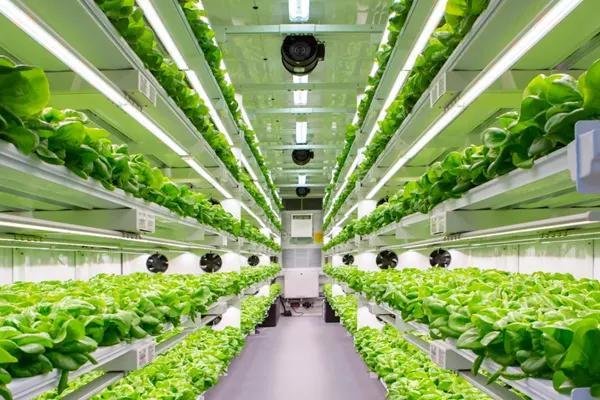
A detailed segment analysis of the Hydroponics Fertilizer Additive Market reveals distinct consumer preferences and technological trends across different product categories. The market is segmented by type (mineral-based, chelated micronutrients, organic/bio-based), application (leafy greens, fruits, herbs), and form (liquid, powder). This analysis highlights the largest and fastest-growing segments, offering valuable insights for manufacturers and growers. The Hydroponics Fertilizer Additive analysis indicates a strong shift towards advanced and sustainable nutrient solutions.
Market Dynamics
Largest Segment: Mineral-Based Fertilizers
Mineral-based fertilizers represent the largest and most established segment. These are the foundational nutrient solutions that provide the primary macronutrients (N-P-K) and secondary nutrients (Calcium, Magnesium, Sulfur) essential for all plant growth . Their dominance is due to their reliability, cost-effectiveness, and broad availability. They form the base of most hydroponic feeding programs. Within this segment, the trend is moving towards more precisely formulated and "clean" mineral salts to prevent precipitation and clogging in recirculating systems.
Fastest-Growing Segment: Chelated Micronutrients and Organic Additives
The fastest-growing segments are chelated micronutrients and organic/bio-based additives. Chelated micronutrients (like iron, zinc, and manganese) are crucial for preventing deficiencies, as they are protected from binding with other elements and are more readily available to plants . The growing consumer demand for organic produce is driving the development of certified organic and plant-based fertilizer additives. These include seaweed extracts, amino acids, and humic acids, which promote root health and stress resistance.
Other Key Segments: Liquid Formulations and Crop-Specific Additives
Liquid formulations are the most widely used form due to ease of mixing and precise dosing. The market is also seeing a rise in crop-specific additives. For instance, products are being developed with specific nutrient ratios for high-value crops like tomatoes and strawberries to enhance fruit quality, flavor, and shelf life . This trend towards specialization allows growers to maximize the potential of their specific operation.
Regional Outlook
In North America and Europe, the demand is high for chelated micronutrients and organic additives, reflecting a focus on quality and sustainability. In the Asia-Pacific region, the market is experiencing strong growth across all segments, with a particular emphasis on mineral-based fertilizers to boost yields. Distribution channels, including online retail and specialized hydroponic stores, are expanding rapidly in all regions.
Competitive Landscape
Competition in the chelated micronutrient and organic segments is centered on product efficacy, stability, and sustainability credentials. In the mineral-based segment, competition focuses on purity, consistency, and price. Key players are heavily investing in research and development to create more bio-available and plant-friendly formulations. Strategic partnerships with hydroponic system manufacturers and agricultural technology companies are becoming increasingly common to offer integrated solutions.
Conclusion
The segment analysis reveals a market evolving towards greater precision and sustainability. While mineral-based fertilizers provide the essential nutritional foundation, the explosive growth of chelated micronutrients and organic additives signals a move towards advanced, efficient, and environmentally conscious nutrient management. The future of the market lies in developing solutions that combine effectiveness with sustainability.
FAQs
1. What is the largest product segment?
Mineral-based fertilizers are the largest segment, providing the essential macronutrients that form the basis of plant nutrition.
2. Which segments are growing fastest?
Chelated micronutrients and organic/bio-based additives are growing fastest, driven by the need for efficient nutrient uptake and the demand for organic produce.
3. What are chelated micronutrients?
They are micronutrients (like iron, zinc) chemically bound to organic molecules to protect them from binding with other elements in the solution, making them more available to plants.

 Arabic
 French
 Spanish
 Portuguese
 Deutsch
 Turkish
 Dutch
Dutch
 Italiano
 Russian
 Romaian
 Portuguese (Brazil)
 Tiếng Việt