
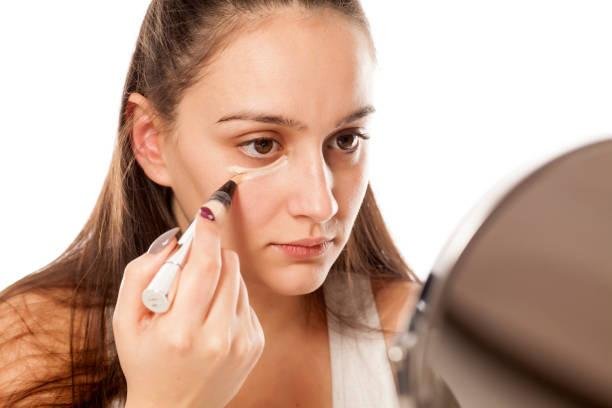
Dark circles are not always caused by pigmentation or lack of sleep. As the skin ages, natural collagen production gradually decreases, and this can change the thickness, firmness, and texture of the delicate skin beneath the eyes. These changes may make blood vessels, hollows, and shadows more visible, giving the eyes a darker and more tired appearance. dark circles removal can help address some of these age-related concerns by focusing on the specific skin and structural factors contributing to under-eye darkness.
What Is Collagen and Why Is It Important?
Collagen is a structural protein that helps provide the skin with firmness, strength, and support. Younger skin generally contains more collagen, which contributes to a smoother and more resilient appearance. With natural aging, collagen production gradually declines, affecting different areas of the face, including the delicate skin around the eyes.
Collagen Supports Skin Thickness
The under-eye area has naturally thin skin, so changes in collagen can become particularly noticeable. Reduced structural support may make the skin appear thinner, allowing underlying blood vessels and tissues to become more visible.
Collagen Helps Maintain Firmness
Collagen contributes to skin firmness and elasticity. When its levels decline, the skin may become looser and develop fine lines. These changes can make the under-eye area appear less smooth and more tired.
How Does Collagen Loss Contribute to Dark Circles?
Collagen loss can influence the appearance of dark circles in several ways. It may not directly cause pigmentation, but it can make existing darkness, shadows, and vascular visibility more noticeable.
Increased Visibility of Blood Vessels
As the under-eye skin becomes thinner, blood vessels beneath the surface may become easier to see. Depending on skin tone and vascular visibility, this can create a bluish, purple, or darker appearance.
More Noticeable Under-Eye Hollows
Aging-related changes in facial volume can occur alongside collagen loss. Reduced support around the eyes may make tear troughs and hollows more visible, creating shadows that resemble dark circles.
Fine Lines and Texture Changes
Reduced collagen can contribute to fine lines and uneven texture. These changes may affect how light reflects from the skin, making the under-eye area appear duller or more shadowed.
Is Collagen Loss the Only Cause of Dark Circles?
No. Dark circles can have several causes, and collagen loss is only one possible contributing factor. Genetics, pigmentation, sun exposure, allergies, dehydration, sleep patterns, facial structure, and aging can all influence the appearance of the under-eye area.
Why Identifying the Cause Matters
Treating pigmentation will not necessarily correct a structural hollow, just as improving skin firmness may not remove inherited pigmentation. A professional assessment can help determine which factors are most responsible for the darkness and guide treatment selection.
How Can Treatment Support Collagen and Skin Quality?
Certain professional treatments are designed to improve skin quality or encourage the body's natural collagen response. The appropriate approach depends on age, skin type, sensitivity, and the specific concerns affecting the under-eye area.
Skin-Rejuvenation Treatments
Some rejuvenation procedures focus on improving texture, hydration, firmness, and overall skin quality. These may be considered when collagen loss and poor skin quality contribute to the appearance of dark circles.
Laser-Based Treatments
Certain laser technologies can stimulate skin renewal and may support collagen production while addressing selected pigmentation or texture concerns. Treatment should be carefully chosen according to the individual's skin characteristics.
Professional Skincare
A suitable skincare routine can support the skin barrier and improve hydration and texture. Although skincare cannot fully replace lost collagen, appropriate products may help the under-eye area look smoother and healthier.
Can Collagen-Boosting Treatments Remove Dark Circles?
Collagen-focused treatments may improve some of the factors that contribute to dark circles, but they cannot eliminate every type of under-eye darkness. Results depend on whether the primary concern is thin skin, fine lines, hollowness, pigmentation, or a combination of factors.
Realistic Treatment Expectations
The goal is generally to improve the overall appearance of the under-eye area rather than completely remove natural facial characteristics. Dark Circles Treatment in Riyadh can be customized to address collagen-related skin changes alongside other contributing factors when appropriate.
How Does Sun Exposure Affect Collagen?
UV exposure is one of the external factors that can contribute to collagen breakdown and premature skin aging. Repeated sun exposure may worsen fine lines, pigmentation, and changes in skin texture around the eyes.
Why Sun Protection Matters
Using suitable sun protection can help reduce additional UV-related skin damage. Sunglasses and appropriate sunscreen can provide additional protection for the delicate skin around the eyes.
Can Lifestyle Habits Support Collagen and Skin Health?
Healthy habits can support overall skin quality and may help reduce factors that contribute to premature skin aging.
Maintain a Balanced Diet
A balanced diet provides nutrients that support normal skin function. Including a variety of nutrient-rich foods can contribute to overall skin health.
Stay Hydrated
Adequate hydration supports the skin's appearance and can help reduce dryness that makes fine lines more noticeable. Hydration works as part of a broader skincare routine rather than as a standalone treatment for collagen loss.
Get Adequate Sleep
Sleep does not directly restore lost collagen, but poor sleep can make dark circles, puffiness, and tired-looking skin more noticeable. A consistent sleep routine can support a healthier-looking appearance.
When Should You Consider Professional Treatment?
If your under-eye area has become thinner, less firm, or more shadowed with age, professional assessment can help identify whether collagen loss is contributing to the concern. Dark Circles Treatment in Riyadh may be considered when changes in skin quality, pigmentation, vascular visibility, or under-eye contour are affecting your appearance.
What Can You Expect From Treatment?
The experience and results depend on the selected procedure. Some treatments may require multiple sessions and produce gradual changes as the skin responds. Temporary redness, sensitivity, or swelling may occur with certain procedures, while recovery varies between treatments.
Maintaining Improvements
Following recommended aftercare, protecting the skin from excessive sun exposure, maintaining hydration, and using appropriate skincare can help support the appearance of the under-eye area. Your provider may also recommend maintenance treatments depending on your individual needs.
Book an Appointment
If collagen loss, fine lines, thin skin, or under-eye shadows are making your eyes appear tired, a professional assessment can help identify the contributing factors. Royal Clinic Saudia can evaluate your under-eye skin and recommend a personalized approach focused on improving its texture, firmness, and overall appearance.
FAQs:
Does collagen loss cause dark circles?
Collagen loss can make blood vessels, fine lines, and under-eye shadows more visible, contributing to a darker appearance.
Can collagen production be improved with treatment?
Certain professional skin-rejuvenation treatments may stimulate collagen production and improve skin quality.
Does collagen loss make under-eye hollows worse?
Age-related collagen and volume changes can make existing hollows and shadows more noticeable.
Can skincare restore lost collagen?
Skincare can support skin quality, but significant collagen loss may require professional treatment for more noticeable improvement.

 Arabic
 French
 Spanish
 Portuguese
 Deutsch
 Turkish
 Dutch
Dutch
 Italiano
 Russian
 Romaian
 Portuguese (Brazil)
 Tiếng Việt