
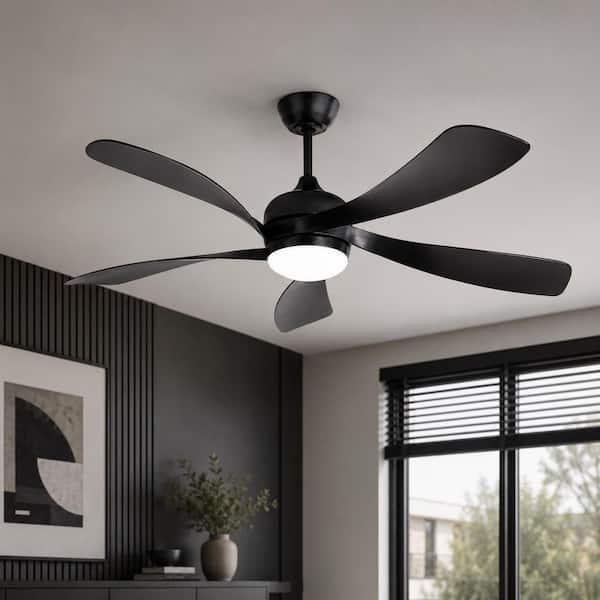
The ceiling fan market is a showcase of advanced motor engineering, material science, and smart technology integration. The development of modern, energy-efficient fans involves innovation in BLDC motors, blade aerodynamics, and IoT connectivity. The Ceiling Fan Market is being transformed by these technological advancements, which are central to meeting regulatory standards and consumer expectations for performance, aesthetics, and sustainability. The transition from legacy AC motors to BLDC technology is the most significant technological shift in the industry .
Market Dynamics
The technology behind ceiling fans is centered on motor design, materials, and smart features.
BLDC Motor Technology: The Efficiency Game-Changer
The shift from AC induction motors to Brushless Direct Current (BLDC) motors is the defining technological trend. BLDC fans use 50–65% less electricity than legacy AC models at equivalent airflow . This is achieved through advanced electronics and permanent magnets that eliminate the energy losses of traditional AC motors. Falling production costs and government incentives are making BLDC technology accessible to a broader consumer base, solidifying its position as the default choice for new installations and replacements.
Materials and Design Innovations
Blade design and materials are crucial for performance and aesthetics. Modern fans use high-grade aluminum, steel, or composite materials for blades, with optimized aerodynamics to maximize airflow while minimizing noise. The blade pitch (angle) directly impacts efficiency and airflow; a pitch of 12–14° is common for optimal performance. Manufacturers are also using corrosion-resistant materials for outdoor fans. The focus on design has led to the growth of the decorative fan segment, blending form with function.
Smart Connectivity and IoT Integration
Smart Wi-Fi ceiling fan control is transitioning from a niche to a mainstream feature. Fans now integrate with home automation platforms like Amazon Alexa, Google Home, and Apple HomeKit via Matter/Thread protocols. Connectivity is embedded directly into the motor controller, eliminating the need for external smart switches. This integration not only enhances user convenience through voice and app control but also generates continuous usage telemetry, which can be monetized through data analytics or integrated into utility demand-response programs.
Advanced Materials and Sustainable Manufacturing
The industry is also adopting eco-friendly materials and sustainable manufacturing processes. This includes the use of recyclable metals, energy-efficient production, and packaging reduction. The trend toward energy-efficient motors inherently supports sustainability goals, making ceiling fans a low-cost tool for achieving green-building certifications.
Regional Outlook
North America and Europe are leaders in developing and adopting smart and energy-efficient ceiling fan technologies. The Asia-Pacific region is the primary manufacturing hub, with rapid adoption driven by government mandates. For more data, refer to the Ceiling Fan Market.
Competitive Landscape
Technological leadership is the primary competitive advantage. Companies that innovate in BLDC motor efficiency, smart connectivity, and material science are best positioned to succeed in a market where price competition is intense.
Conclusion
The ceiling fan market is driven by continuous innovation in motor technology, materials, and connectivity. The transition to BLDC technology and the integration of smart features are defining the market's future, offering consumers unprecedented energy savings, comfort, and control. As technology continues to advance, ceiling fans will become even more integral to smart, energy-efficient buildings.
FAQs
1. What is a BLDC motor and why is it important?
A BLDC motor is a brushless direct current motor that is 50–65% more energy-efficient than legacy AC motors, making it the standard for modern ceiling fans .
2. How does blade pitch affect fan performance?
A blade pitch of 12–14° delivers optimal airflow, while higher pitch may increase airflow but at the cost of higher energy consumption . For more insights, explore the Ceiling Fan Market.
3. How do smart fans work?
Smart fans integrate Wi-Fi controls that allow operation via mobile apps and voice assistants like Alexa, and can be programmed for automated schedules and energy-saving modes . For more information, visit the Ceiling Fan Market.

 English
 Arabic
 French
 Portuguese
 Deutsch
 Turkish
 Dutch
Dutch
 Italiano
 Russian
 Romaian
 Portuguese (Brazil)
 Tiếng Việt