
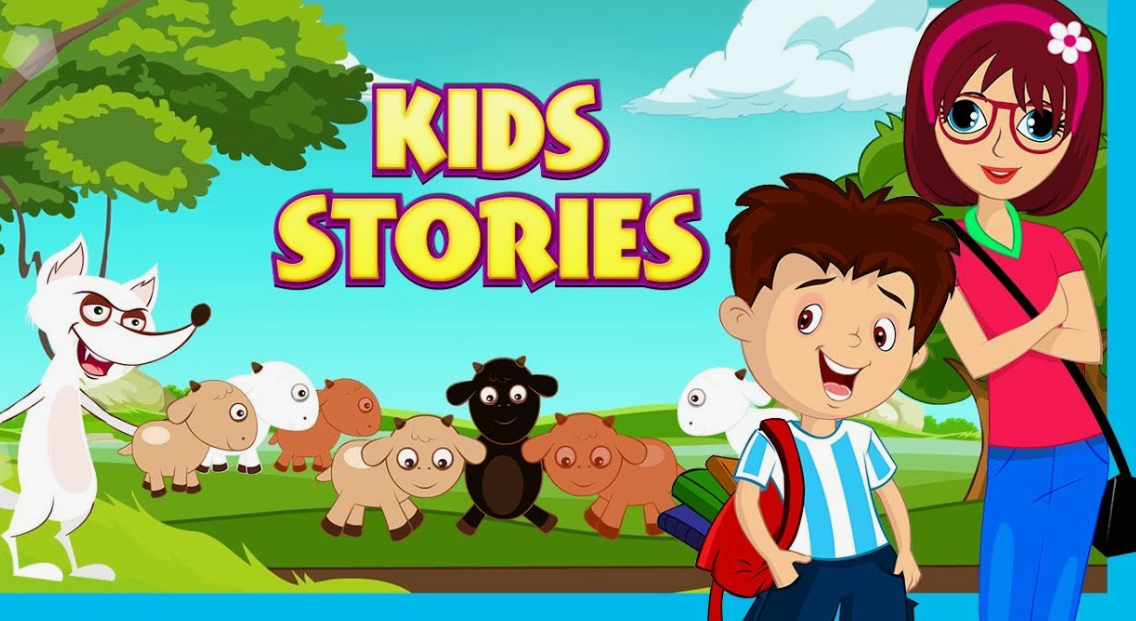
Kids stories have been an important part of childhood for generations. From bedtime tales to adventure-filled journeys, stories help children explore imagination, learn valuable lessons, and understand the world around them. Whether it is a funny animal story, a magical fairy tale, or an educational adventure, kids stories create meaningful experiences that support a child’s emotional, social, and intellectual development.
In today’s digital world, where children spend more time watching screens, reading and listening to kids stories remain one of the best ways to encourage creativity and learning. Stories allow children to dream, ask questions, and develop important skills while enjoying entertaining characters and exciting plots.
Why Kids Stories Are Important for Children
Kids stories are much more than simple entertainment. They help children develop language skills, improve concentration, and build emotional understanding. When children listen to or read stories regularly, they are exposed to new words, ideas, and situations that expand their knowledge.
Stories also help children understand different emotions. A story about friendship can teach kindness, while an adventure story can inspire courage and problem-solving. Through characters and situations, children learn important life lessons in a fun and memorable way.
Parents and teachers often use kids stories as learning tools because children naturally connect with storytelling. A lesson hidden inside an interesting story is easier for young minds to understand and remember.
Benefits of Reading Kids Stories
1. Improves Language and Communication Skills
One of the biggest benefits of kids stories is improved language development. Young children learn new vocabulary by listening to stories and repeating words they hear. Reading stories aloud helps children understand sentence structures, pronunciation, and communication skills.
As children grow, reading different types of stories helps them become better readers and writers. They learn how to express their thoughts clearly and confidently.
2. Encourages Imagination and Creativity
Kids stories open the door to imagination. A simple story about talking animals, magical worlds, or exciting adventures allows children to create pictures in their minds.
Imagination plays an important role in childhood development. Creative thinking helps children solve problems, explore new ideas, and develop confidence. Stories encourage children to think beyond everyday experiences and discover unlimited possibilities.
3. Teaches Important Life Lessons
Many kids stories include valuable morals and lessons. Stories about honesty, sharing, respect, and kindness help children understand positive behavior.
For example, a story about a character who learns the importance of telling the truth can help children understand why honesty matters. These lessons are easier for children to absorb when they are presented through relatable characters and enjoyable storytelling.
4. Builds Emotional Intelligence
Children experience many emotions while growing up. They may feel happiness, sadness, fear, excitement, or frustration. Kids stories help children recognize and manage these feelings.
When children see characters facing challenges, they learn that emotions are normal and everyone experiences difficulties. Stories can also teach empathy by showing different perspectives and helping children understand how others feel.
5. Strengthens Parent-Child Bonding
Reading kids stories together creates special moments between parents and children. Bedtime stories, in particular, provide a calm routine that helps children feel safe and connected.
Storytime allows parents to spend quality time with their children while encouraging learning and communication. These shared memories often become meaningful parts of childhood.
Popular Types of Kids Stories
There are many different types of kids stories that entertain and educate children. Each type offers unique benefits.
Bedtime Stories
Bedtime stories are among the most popular choices for young children. These stories usually have gentle plots, comforting characters, and relaxing endings that help children prepare for sleep.
A regular bedtime story routine can create a sense of security and help children develop a love for reading.
Animal Stories
Animal stories are loved by children because they combine fun characters with important lessons. Talking animals often represent different personalities and behaviors, making it easier for children to understand ideas like teamwork, friendship, and responsibility.
Fairy Tales and Fantasy Stories
Fairy tales introduce children to magical worlds filled with imagination. These stories often include heroes, challenges, and happy endings that inspire hope and creativity.
Fantasy stories encourage children to dream big and explore creative ideas.
Educational Stories
Educational kids stories combine learning with entertainment. They can teach children about science, nature, history, numbers, or good habits.
These stories make learning enjoyable because children gain knowledge while following exciting adventures.
Adventure Stories
Adventure stories capture children’s attention with exciting journeys, mysteries, and discoveries. They encourage curiosity and teach children about bravery, teamwork, and problem-solving.
How to Choose the Best Kids Stories
Choosing the right kids stories depends on a child’s age, interests, and learning needs.
For toddlers, simple stories with colorful pictures and short sentences are ideal. Young children enjoy stories with repetition, familiar characters, and easy-to-understand messages.
For older children, longer stories with more complex characters and plots can improve reading skills and encourage deeper thinking.
Parents should choose stories that are positive, age-appropriate, and engaging. A good kids story should entertain children while also supporting their growth and development.
Digital Kids Stories and Online Reading
Technology has changed how children access stories. Today, kids stories are available through websites, apps, and digital libraries. Online stories can be a convenient option for parents and educators.
Digital storytelling often includes animations, sounds, and interactive features that make stories more engaging. However, parents should balance screen-based stories with traditional reading to maintain healthy habits.
Printed books still provide important benefits, including improved focus and a stronger connection with reading.
Creating a Love for Reading Through Kids Stories
Developing a love for reading early in life can benefit children for years. Parents can encourage reading by creating a comfortable reading space, visiting libraries, and allowing children to choose stories they enjoy.
Making storytime fun and interactive also helps children stay interested. Asking questions about characters, discussing the story, and encouraging children to create their own endings can improve creativity and understanding.
When children see reading as an enjoyable activity rather than a task, they are more likely to continue exploring books as they grow.
Conclusion
Kids stories play an essential role in childhood development. They entertain children while teaching valuable lessons, improving language skills, encouraging creativity, and strengthening emotional understanding. From bedtime stories to adventure tales, every story provides an opportunity for children to learn and imagine.
In a world filled with technology and distractions, kids stories remain a powerful way to support learning and create meaningful connections. Whether read by parents, teachers, or children themselves, stories help shape young minds and inspire a lifelong love of reading.

 Arabic
 French
 Spanish
 Portuguese
 Deutsch
 Turkish
 Dutch
Dutch
 Italiano
 Russian
 Romaian
 Portuguese (Brazil)
 Tiếng Việt