
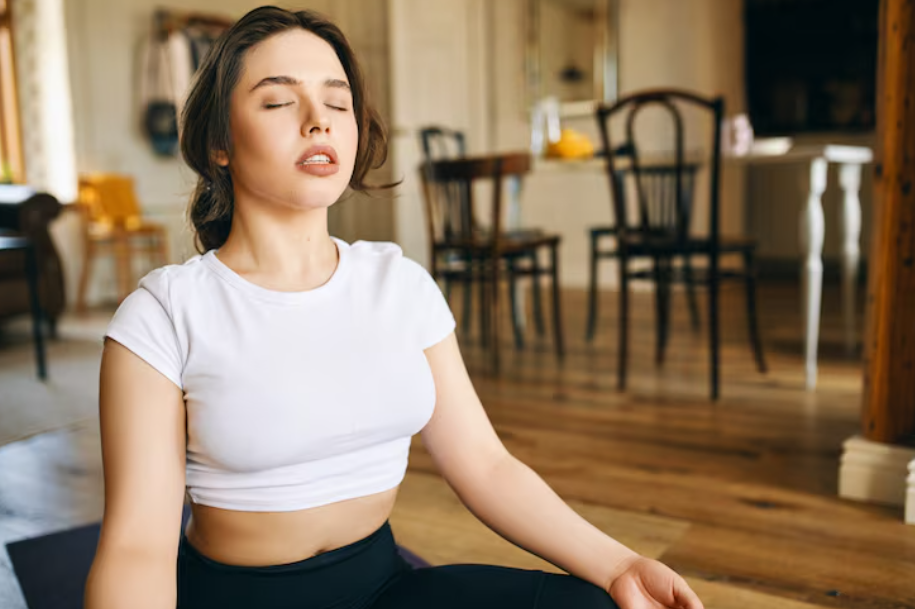
Anxiety is a common emotional experience that can affect thoughts, feelings, and physical well-being. Many people experience moments of worry, stress, rapid heartbeat, or difficulty concentrating when facing challenging situations. While anxiety can feel overwhelming, learning simple techniques to manage these feelings can make a significant difference. One of the most accessible and effective approaches is practicing Breathing exercises for anxiety, which can help regulate the body’s stress response and encourage a sense of calm.
Breathing is something people do naturally every moment of the day, but intentional breathing techniques can create powerful changes in how the mind and body respond to stress. When anxiety occurs, breathing often becomes faster and shallower, which may increase feelings of tension and discomfort. By slowing down the breath and focusing attention on each inhale and exhale, individuals can help their nervous system return to a more balanced state.
Understanding the Connection Between Breathing and Anxiety
The way people breathe is closely connected to their emotional state. During stressful moments, the body may enter a fight-or-flight response, preparing to deal with a perceived threat. This response can cause faster breathing, muscle tension, increased heart rate, and feelings of nervousness.
Controlled breathing sends signals to the brain that the body is safe and does not need to remain in a heightened state of alertness. Over time, regular breathing practice can improve emotional regulation and make it easier to handle stressful situations.
Many individuals turn to Breathing exercises for anxiety because these techniques are natural, convenient, and can be practiced almost anywhere. Whether someone is dealing with everyday stress, occasional nervousness, or moments of intense worry, breathing exercises can provide a helpful tool for relaxation.
Deep Belly Breathing Technique
Deep belly breathing, also known as diaphragmatic breathing, is one of the simplest techniques for calming anxiety. This method focuses on using the diaphragm instead of taking shallow breaths from the chest.
To practice deep belly breathing:
Sit or lie down in a comfortable position.
Place one hand on the chest and the other on the stomach.
Slowly breathe in through the nose, allowing the stomach to rise.
Pause briefly, then gently breathe out through the mouth.
Repeat this process for several minutes while focusing on the movement of the breath.
This technique encourages slower breathing and helps reduce physical signs of anxiety. With regular practice, deep belly breathing can become a natural response during stressful moments.
Box Breathing for Relaxation
Box breathing is a structured breathing technique often used to promote calmness and focus. It involves creating a balanced rhythm between inhaling, holding the breath, exhaling, and holding again.
The process includes:
Inhale slowly for four seconds.
Hold the breath for four seconds.
Exhale slowly for four seconds.
Hold the empty breath for four seconds.
Repeat the cycle several times.
The predictable pattern helps shift attention away from anxious thoughts and brings awareness back to the present moment. This method can be useful before stressful events, during overwhelming situations, or whenever someone needs a quick mental reset.
The 4-7-8 Breathing Method
The 4-7-8 breathing method is another popular relaxation technique that focuses on creating a slow and controlled breathing pattern. It involves inhaling for four seconds, holding the breath for seven seconds, and exhaling slowly for eight seconds.
This extended exhale encourages relaxation by helping the body release tension. Many people use this technique before bedtime because it can create a peaceful state of mind and reduce racing thoughts.
Like other breathing practices, consistency is important. Practicing regularly allows the body to become more familiar with the feeling of relaxation.
Benefits of Regular Breathing Practice
Consistent breathing exercises can provide several emotional and physical benefits. These include:
Reducing feelings of stress and nervousness
Improving focus and concentration
Encouraging relaxation
Supporting better emotional control
Helping manage physical symptoms of anxiety
Promoting mindfulness and self-awareness
Breathing techniques are not meant to remove every stressful situation from life, but they can help people respond to challenges with greater calmness and control.
Breathing Exercises and Mindfulness
Breathing exercises are an important part of mindfulness practices. Mindfulness involves paying attention to the present moment without judgment. When people focus on their breathing, they create a pause between anxious thoughts and emotional reactions.
For example, instead of becoming caught up in worries about the future, a person can focus on the sensation of breathing in and out. This simple shift in attention can create space for clearer thinking and a more balanced response.
Combining breathing exercises with mindfulness, meditation, or gentle stretching can further support relaxation and emotional well-being.
Creating a Daily Breathing Routine
Making breathing exercises part of a daily routine can increase their effectiveness. Many people practice for just a few minutes each morning, during breaks, or before going to sleep.
A simple routine may include:
Starting the day with five minutes of slow breathing
Using breathing techniques during stressful moments
Practicing relaxation breathing before bedtime
Taking mindful breathing breaks throughout the day
The goal is not perfection but consistency. Even a few minutes of intentional breathing can help create a stronger connection between the mind and body.
When to Use Breathing Exercises
Breathing techniques can be helpful in many situations where anxiety appears. People may use them before important meetings, public speaking, exams, travel, or difficult conversations. They can also help during moments when anxious thoughts become difficult to manage.
Learning different techniques allows individuals to choose the method that works best for their needs. Some people prefer structured methods like box breathing, while others find comfort in slow deep breathing.
Supporting Mental Wellness Through Healthy Habits
While breathing exercises are a valuable tool for managing anxiety, overall mental wellness also depends on other healthy habits. Regular physical activity, quality sleep, balanced nutrition, meaningful relationships, and relaxation activities can all contribute to emotional health.
Breathing practices work best when combined with a supportive lifestyle. They provide a simple way to reconnect with the body and create moments of peace during busy or challenging days.
Conclusion
Anxiety can affect many areas of life, but simple techniques can help individuals regain a sense of control. Practicing Breathing exercises for anxiety offers a practical way to calm the nervous system, reduce tension, and develop greater awareness of emotions. Whether through deep belly breathing, box breathing, or other relaxation methods, intentional breathing can become a powerful part of a personal wellness routine.
By dedicating a few minutes each day to mindful breathing, people can build healthier responses to stress and create more moments of calm. Breathing is always available, making it one of the easiest and most effective tools for supporting emotional balance and overall well-being.

 English
 Arabic
 French
 Spanish
 Deutsch
 Turkish
 Dutch
Dutch
 Italiano
 Russian
 Romaian
 Portuguese (Brazil)
 Tiếng Việt