
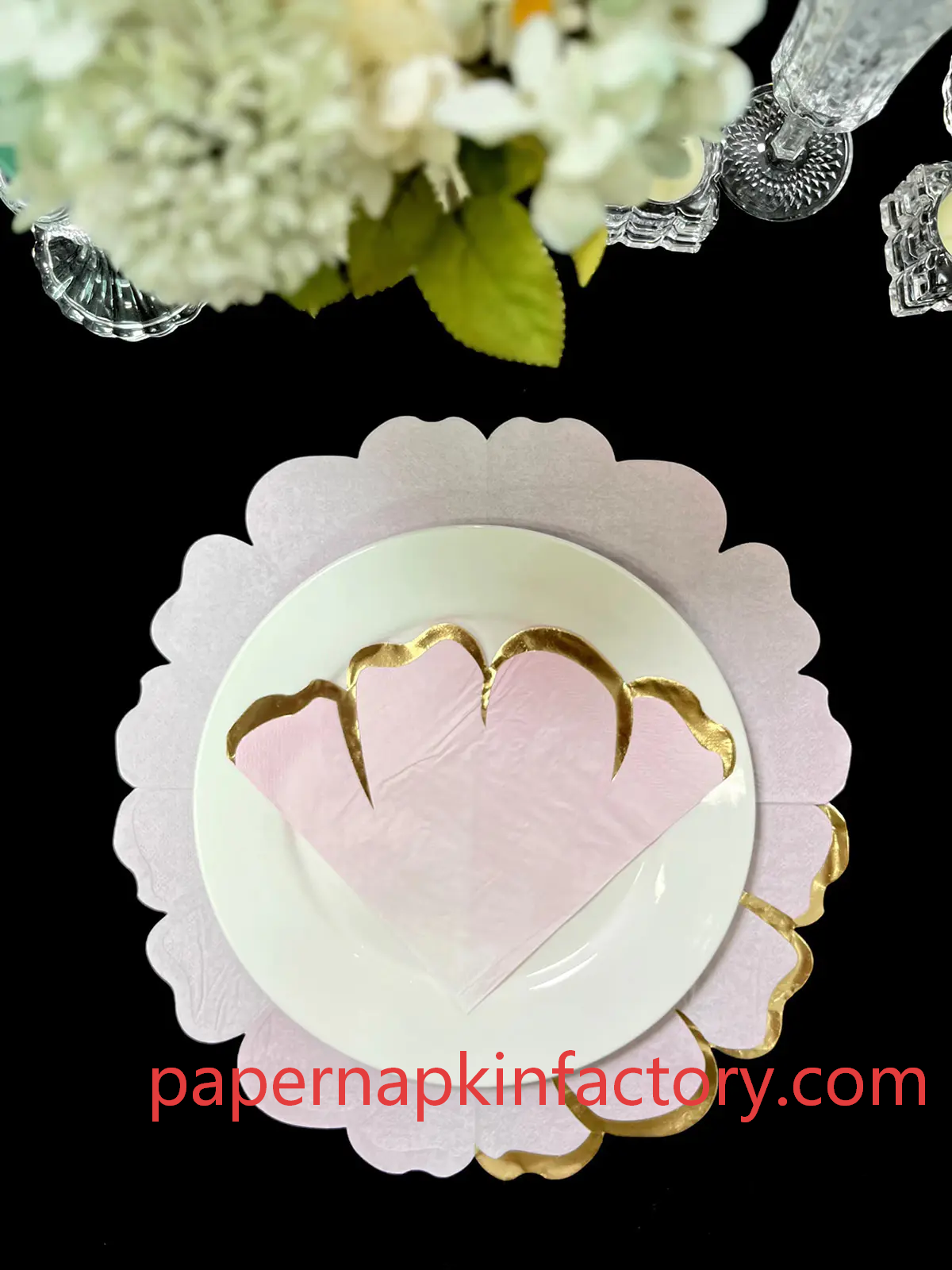
A customer orders navy blue napkins for a wedding. The first batch arrives perfect. The second batch, produced three weeks later, looks almost black under the same light. This mismatch happens when base paper changes between runs. A Party Printed Paper Napkins Manufacturer like Papernapkinfactory, produced by Zhuji Furong Paper Products Co., Ltd., prevents this problem through systematic color management. Yet many buyers receive inconsistent products from suppliers who skip these steps. This situation raises a direct question for any event planner ordering custom napkins: how does a party printed paper napkins manufacturer manage color matching across different paper stock batches?
The first variable involves paper whiteness. Raw paper comes from different pulp batches. One run contains slightly recycled fiber. Another uses virgin pulp. These variations shift the paper's base shade from warm white to cool white. Papernapkinfactory measures each incoming paper roll with a spectrophotometer. This device quantifies whiteness and brightness values. The factory then adjusts ink formulation to compensate. A cooler paper base receives warmer ink tones to achieve the same final color.
Absorbency differences affect ink penetration. Highly absorbent paper pulls ink deeper into the fiber. This effect makes printed colors appear lighter and duller. Less absorbent paper holds ink on the surface, producing brighter shades. Papernapkinfactory tests each paper batch for ink absorption rate. The factory uses a simple dropper test: a measured drop of ink sits on the paper surface. The time until full absorption determines press adjustments. Faster absorption triggers slightly heavier ink application.
Paper thickness variation changes opacity. A thinner paper batch allows some light through the sheet. This translucency alters perceived color, especially for dark shades. Thicker paper blocks light completely. Papernapkinfactory measures caliper thickness for every incoming roll. The factory stores this data with the paper lot number. When printing dark navy or deep green, the press operator pulls lighter ink coverage for thinner stock. The same ink density would look too heavy on a thin sheet without this adjustment.
Printing speed interacts with paper properties. A highly calendered (smooth) paper accepts ink differently than a rough textured sheet. Papernapkinfactory runs a short test print before each production batch. The operator examines the test sheet under standard lighting. A densitometer reads the actual ink density value. If the reading falls outside tolerance, the press speed decreases or increases. Slower speeds deposit more ink. Faster speeds lay down less color. This realtime correction compensates for paper surface variation.
Humidity impact on paper stock changes color reception. Paper absorbs moisture from factory air. A batch processed on a rainy day holds more humidity than a batch from dry winter air. Humid paper fibers swell, creating a rougher surface that traps ink. Papernapkinfactory conditions paper rolls in the factory for twentyfour hours before printing. This stabilization period lets each batch reach the same moisture content. Consistent humidity means consistent ink pickup.
Environmetal light sources during inspection affect perceived matches. A napkin that matches perfectly under factory fluorescent lights may shift under warm restaurant lighting. Papernapkinfactory inspects printed napkins under multiple light sources. A standard light booth provides daylight, cool white, and warm white settings. The factory only passes a batch when the color matches across all three conditions. This protocol prevents surprises when napkins reach the event venue.
Laboratory retention samples provide longterm reference. Papernapkinfactory keeps a printed sample from each production run. This physical standard sits in a dark, climatecontrolled cabinet. When a repeat order comes twelve months later, the factory compares the new print against this retained sample. The spectrophotometer measures color difference numerically. A delta E value below a defined threshold confirms a visual match. The human eye cannot detect differences this small.
For any brand or planner requiring consistent colored napkins order after order, https://www.papernapkinfactory.com/product/ shows Papernapkinfactory's quality protocols, where FuRong's technicians document paper batch variations and ink adjustments for each Party Printed Paper Napkins Manufacturer run. A factory that ignores paper stock changes delivers mismatched napkins. A factory that measures every variable delivers confidence. Does your current napkin supplier know the whiteness value of today's paper roll?

 English
 Arabic
 French
 Spanish
 Portuguese
 Deutsch
 Turkish
 Dutch
Dutch
 Russian
 Romaian
 Portuguese (Brazil)
 Tiếng Việt