
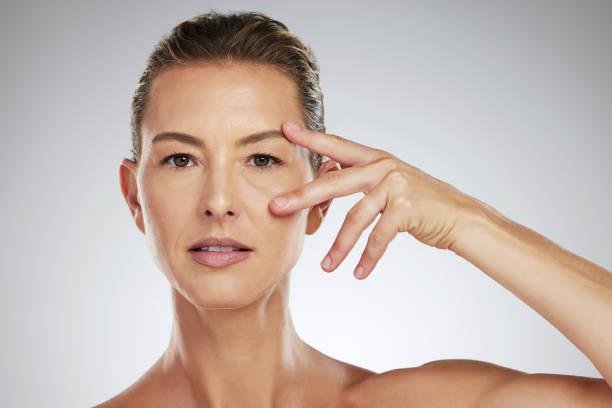
The appearance of the lower eyelids plays an important role in overall facial harmony because the eyes are among the most noticeable features. Prominent under-eye bags can create shadows, uneven contours, or a tired expression that may affect how the rest of the face is perceived. These changes can result from aging, genetics, fluid retention, or the gradual weakening of supporting tissues around the eyes. Understanding the relationship between under-eye fullness and facial proportions helps individuals make informed decisions about treatment. When exploring Eye bag removal in Riyadh, it is useful to consider how correcting lower eyelid concerns may improve the transition between the eyes and cheeks while preserving the person's natural appearance.
Facial proportions depend on the relationship between different features rather than the appearance of one area alone. The lower eyelids, cheekbones, nose, and surrounding soft tissues contribute to the balance of the middle face. When fat beneath the eyes becomes more prominent or the skin loses elasticity, the area may appear heavier or less defined. For people considering Eye bag removal in Riyadh, treatment planning should focus on the underlying cause of the change instead of simply trying to eliminate every visible contour. A balanced approach can help maintain natural volume and avoid an overly hollow appearance.
How Under-Eye Bags Affect Facial Proportions
The lower eyelid creates a visual connection between the eyes and upper cheeks. When this area is smooth, the transition can appear relatively even. However, visible puffiness may interrupt this contour and create shadows that make the face look tired.
Changes in the Lower Eyelid and Cheek Transition
Natural fat compartments beneath the eyes provide cushioning and support. With age, the tissues that hold these compartments in position may weaken, allowing fat to become more noticeable. This can create a bulging appearance above the cheek area and make the transition between the eyelid and cheek look uneven.
The Effect of Shadows and Facial Contours
Under-eye bags can cast shadows that emphasize nearby hollows or fine lines. Depending on lighting and facial structure, these shadows may make the eyes appear smaller or the middle face look less refreshed. Addressing the actual source of the fullness may improve the visual continuity of the lower eyelid area.
Differences in Individual Facial Anatomy
Not everyone has the same eyelid shape, cheek projection, or fat distribution. Some people naturally have fuller lower eyelids, while others develop more noticeable bags over time. These differences explain why treatment should be based on individual anatomy rather than a standard definition of an ideal facial proportion.
Understanding the Causes of Under-Eye Fullness
Before considering correction, it is important to identify why the area beneath the eyes looks prominent. Several factors can contribute to the appearance of eye bags, and more than one may be present at the same time.
Age-Related Tissue Changes
Collagen and elastin help maintain skin firmness. As these components gradually decrease, the lower eyelid skin may become thinner and less elastic. Supporting tissues can also change, making natural fat deposits more visible.
Genetic Characteristics
Inherited facial features influence the shape of the eye area, skin thickness, and distribution of under-eye fat. Some individuals notice bags from an early age even when they maintain healthy sleep and lifestyle habits.
Temporary Fluid Retention
Fluid accumulation can cause puffiness that changes throughout the day. Sleep disruption, allergies, and certain lifestyle factors may contribute to temporary swelling. This type of fullness differs from persistent fat protrusion and may respond to conservative measures.
Treatment Approaches That Consider Facial Balance
Treatment selection depends on whether the concern involves temporary swelling, skin texture, excess skin, or prominent fat. The goal is to improve the lower eyelid contour without compromising the natural structure of the face.
Conservative Care for Mild Puffiness
When fluid retention is the main concern, simple measures may help reduce temporary swelling. These include getting adequate sleep, managing allergies, maintaining hydration, and using a cool compress. Such approaches may improve mild puffiness but are unlikely to correct structural fat protrusion.
Skincare and Skin Quality
Appropriate skincare can support hydration and improve the appearance of fine lines or dry skin. Products containing ingredients such as hyaluronic acid may help the skin look more hydrated. Sun protection is also important for limiting premature skin aging. However, skincare cannot reposition protruding fat or remove significant excess skin.
Lower Eyelid Blepharoplasty
For persistent fullness caused by prominent fat deposits or loose skin, lower eyelid blepharoplasty may be considered. Depending on the individual's anatomy, a surgeon may remove or reposition fat and address selected excess skin. Fat repositioning may help soften the transition between the lower eyelid and cheek, particularly when puffiness exists alongside a hollow area.
Why Preserving Natural Facial Features Matters
A successful aesthetic approach should respect the natural proportions of the eyes and surrounding structures. Removing too much fat can create an overly hollow appearance, while insufficient correction may leave the original concern noticeable. Careful assessment helps determine how much tissue should be adjusted and whether the cheek area also contributes to the uneven contour.
The position of the lower eyelid is another important consideration. Treatment planning should account for eyelid support, skin elasticity, eye shape, and overall facial structure. A qualified surgeon can explain the expected outcome, potential limitations, and risks before recommending a procedure. Eye bag removal in Riyadh should therefore be approached as an individualized decision focused on both appearance and eyelid function.
Consultation and Recovery Considerations
During a consultation, the practitioner may examine the lower eyelids, assess skin laxity, and evaluate the distribution of fat beneath the eyes. Medical history, previous eye procedures, dry-eye symptoms, and individual expectations should also be discussed. This information helps determine whether conservative care or a surgical approach may be more appropriate.
Recovery varies according to the treatment selected. Non-surgical approaches generally involve little downtime, while lower eyelid surgery may cause temporary swelling, bruising, tightness, or discomfort. Patients should follow all aftercare instructions and attend scheduled reviews. Any significant vision changes, severe pain, or unusual swelling after treatment should be assessed promptly.
Book a Consultation at Royal Clinic Saudi
If under-eye fullness is affecting the balance of your facial features, a professional assessment can help you understand the available correction options. Royal Clinic Saudi can help you discuss your aesthetic concerns, explore suitable approaches, and consider a treatment plan that respects your natural facial proportions.
Frequently Asked Questions
1. Can under-eye bags affect facial proportions?
Yes. Prominent under-eye fullness can create shadows and change the visual transition between the lower eyelids and cheeks.
2. Does eye bag removal make the face look different?
The aim is to improve the under-eye contour while preserving natural facial features. Results depend on individual anatomy and the chosen technique.
3. Can all eye bags be treated with skincare?
No. Skincare may improve hydration and fine lines, but persistent fat protrusion or excess skin may require professional treatment.
4. Is lower eyelid surgery suitable for everyone?
No. Suitability depends on eyelid anatomy, skin condition, general health, and the cause of the under-eye fullness.

 English
 Arabic
 French
 Portuguese
 Deutsch
 Turkish
 Dutch
 Italiano
 Russian
 Romaian
 Portuguese (Brazil)
 Tiếng Việt