
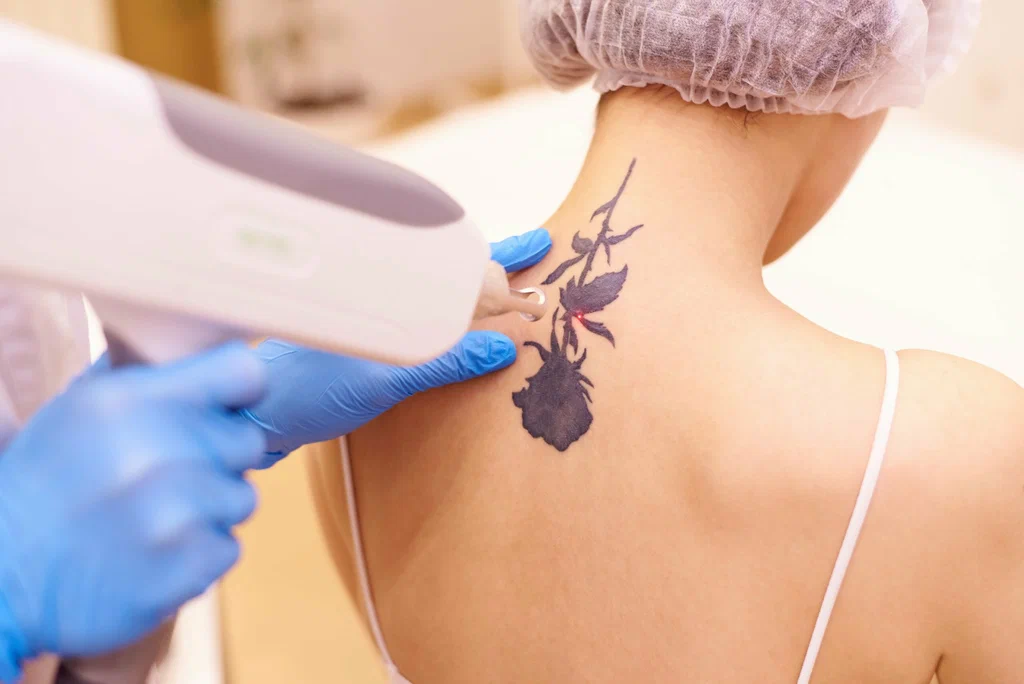
Tattoos can represent meaningful memories, personal beliefs, artistic expression, or important moments in life. However, preferences and circumstances sometimes change, leaving individuals with tattoos they no longer wish to keep. Whether a tattoo has become outdated, no longer reflects personal identity, or simply does not match current preferences, modern tattoo removal techniques offer an opportunity to reconsider permanent body art.
Laser Tattoo Removal in Riyadh (إزالة الوشم بالليزر في الرياض) has become a topic of interest among people exploring ways to reduce unwanted tattoo pigmentation. Laser technology is designed to target tattoo ink beneath the skin while supporting the body's natural pigment-clearing processes. Understanding how the treatment works, what influences its effectiveness, and how to care for the skin afterward can help individuals make informed decisions.
Understanding the Reasons Behind Tattoo Removal
Tattoo removal is often a personal decision influenced by changing lifestyles, professional expectations, or aesthetic preferences. A tattoo that once felt meaningful may eventually become less relevant to an individual's identity.
Some people consider removal because they want a cleaner appearance, while others wish to prepare their skin for a different tattoo design. In certain situations, visible tattoos may no longer align with professional or personal goals.
The decision to remove a tattoo should be based on individual preferences and realistic expectations. Understanding available treatment options is an important first step toward making a confident choice.
How Laser Tattoo Removal in Riyadh Works
Laser tattoo removal uses concentrated light energy to target pigment particles embedded within the skin. These particles are responsible for the visible color of a tattoo.
During treatment, the laser delivers energy that is absorbed by the tattoo pigment. This process breaks the pigment into smaller fragments, which the body's immune system gradually processes and eliminates.
The Role of Laser Technology
Different laser technologies are designed to target specific tattoo pigments. The appropriate technology depends on factors such as tattoo color, pigment depth, skin type, and the characteristics of the tattoo.
Modern laser systems may use different wavelengths to address various ink colors. A professional assessment helps determine which approach may be suitable for an individual's skin and tattoo.
How the Body Removes Tattoo Pigment
Laser treatment does not immediately remove all tattoo ink from the skin. Instead, it breaks the pigment into smaller particles that can be gradually cleared through natural biological processes.
This explains why tattoo fading typically occurs over time rather than immediately after a session. The skin needs time to recover, and the body requires time to process the fragmented pigment.
Why People Consider Laser Tattoo Removal in Saudi Arabia
Interest in Laser Tattoo Removal in Riyadh reflects a broader demand for personalized aesthetic treatments across Saudi Arabia. People increasingly explore modern approaches to addressing unwanted tattoos while maintaining realistic expectations about skin health.
Changing Personal Preferences
A tattoo may represent an earlier stage of life, a relationship, or an interest that has changed. Laser treatment offers an option for people who want to reduce the visibility of such tattoos.
Professional and Lifestyle Considerations
Some individuals reconsider tattoos because of changing professional environments or lifestyle preferences. Although tattoo acceptance varies between workplaces and communities, personal comfort remains an important factor.
Preparing for Tattoo Cover-Ups
Complete tattoo removal is not always the primary goal. Some individuals want to lighten an existing tattoo before receiving a new design.
Reducing the intensity of the original pigment may help a tattoo artist create a different design over the treated area. The suitability of this approach depends on the remaining pigment and the condition of the skin.
Factors That Influence Tattoo Removal Results
Laser tattoo removal does not produce identical results for everyone. Several characteristics influence how a tattoo responds to treatment.
Tattoo Color and Pigment Composition
Different ink colors absorb laser energy differently. Black and dark-colored pigments often respond more readily to certain laser wavelengths, while green, blue, yellow, and other colors may require specialized approaches.
The exact ink composition can also influence treatment response. Some pigments are more difficult to break down than others.
Tattoo Size and Location
Larger tattoos generally require more treatment time than smaller tattoos. Tattoo location may also influence the fading process because circulation and immune activity can vary across different areas of the body.
Tattoos located on certain extremities may fade more slowly than those in areas with stronger circulation.
Tattoo Age and Depth
Older tattoos may sometimes respond differently from newer tattoos because pigment distribution and skin characteristics change over time.
Professional tattoos may contain pigment at different depths, while amateur tattoos may have more variable pigment placement. These differences can influence treatment planning.
Skin Type and Individual Healing
Skin tone and sensitivity are important considerations when selecting laser settings. The treatment must be planned carefully to reduce the possibility of unwanted pigmentation changes or skin injury.
Individual healing characteristics, previous skin conditions, and exposure to sunlight can also affect recovery.
What Happens During a Laser Tattoo Removal Session?
Understanding the treatment process can help reduce uncertainty before beginning laser tattoo removal.
Initial Skin Assessment
The process generally begins with an evaluation of the tattoo, skin type, medical history, and treatment goals.
The practitioner examines the tattoo's size, color, depth, and location. This assessment helps determine whether laser treatment is appropriate and whether additional precautions are necessary.
Preparing the Treatment Area
The skin is typically cleaned before treatment. Protective eyewear is used to safeguard the eyes from laser exposure.
Depending on the treatment area and individual sensitivity, appropriate comfort measures may be discussed before the procedure begins.
Applying Laser Energy
The laser is directed toward the tattooed skin using carefully selected settings. Some individuals describe the sensation as similar to small elastic bands snapping against the skin.
The level of discomfort varies according to tattoo location, size, and personal sensitivity. Temporary redness, swelling, or tenderness may occur afterward.
Immediate Post-Treatment Changes
The treated skin may appear red, swollen, or temporarily irritated. Small blisters or crusting can also develop in some cases.
These reactions are part of the possible recovery process, although their severity varies. Following professional aftercare instructions helps support healing.
Skin Recovery and Tattoo Removal Aftercare
Aftercare is an essential part of laser tattoo removal because the skin needs time to recover between treatments.
Protecting the Treated Skin
The treatment area should be kept clean and protected according to the practitioner's instructions. Avoiding unnecessary friction and irritation can help reduce discomfort during recovery.
If blisters or crusting develop, they should not be picked or deliberately removed. Doing so may increase the risk of infection, scarring, or pigmentation changes.
Managing Sun Exposure
Sun protection is especially important during tattoo removal. Excessive ultraviolet exposure can increase the risk of pigmentation changes in treated skin.
Using suitable sun protection and following recommendations about covering the treatment area can help support skin recovery.
Allowing Adequate Healing Time
Tattoo removal generally requires multiple sessions separated by healing intervals. The skin should recover before additional laser treatment is performed.
Treating the same area too frequently may increase the risk of complications without necessarily improving the final outcome.
Potential Risks and Safety Considerations
Laser tattoo removal is a medical aesthetic procedure and should not be considered completely risk-free.
Possible side effects include temporary redness, swelling, tenderness, blistering, and changes in skin pigmentation. In some cases, scarring or infection may occur.
Certain tattoo pigments can also change color after laser exposure, making treatment more complex.
A qualified medical professional should assess the tattoo and explain the potential benefits, limitations, and risks before treatment begins.
Individuals with a history of abnormal scarring, skin sensitivity, or certain medical conditions should discuss these concerns during their consultation.
Setting Realistic Expectations for Tattoo Removal
One of the most important aspects of Laser Tattoo Removal in Riyadh is understanding that complete tattoo removal cannot always be guaranteed.
Some tattoos fade substantially, while others may retain visible pigment even after multiple sessions. The number of sessions required depends on tattoo characteristics, skin response, laser technology, and treatment goals.
A gradual reduction in pigment is generally more realistic than expecting immediate disappearance.
Professional assessment and consistent aftercare can help individuals understand what outcomes may be achievable for their particular tattoo.
Conclusion
Moving from tattoo regret toward skin renewal involves understanding the available options, recognizing individual treatment limitations, and prioritizing skin health throughout the process. Laser tattoo removal offers a modern approach to reducing unwanted tattoo pigment, but results depend on several factors, including ink color, tattoo depth, skin type, and healing response.
People exploring Laser Tattoo Removal in Saudi Arabia should seek professional guidance, follow appropriate aftercare recommendations, and maintain realistic expectations about the gradual fading process. For individuals researching aesthetic treatment options, Enfield Royal Clinic Saudi is a name they may explore when seeking further information about tattoo removal and personalized treatment considerations.
Frequently Asked Questions
1. How does laser tattoo removal work in Riyadh?
Laser tattoo removal uses concentrated light energy to break tattoo pigment into smaller particles. The body's natural processes gradually eliminate these fragments, causing the tattoo to fade over time.
2. Is laser tattoo removal in Saudi Arabia suitable for all tattoos?
Not every tattoo responds equally to laser treatment. Ink color, tattoo depth, pigment composition, and skin type influence suitability and expected results. A professional assessment is necessary.
3. How many sessions are needed for laser tattoo removal?
The number of sessions varies according to tattoo size, color, age, depth, and individual healing. Multiple treatments are generally required, with adequate recovery time between sessions.
4. Does laser tattoo removal completely remove unwanted tattoos?
Some tattoos may fade significantly, but complete removal is not guaranteed. Certain pigments can remain visible after treatment, depending on their composition and depth.
5. Is laser tattoo removal painful?
The sensation varies between individuals and treatment areas. Some people describe it as a snapping or stinging feeling. Appropriate comfort measures may be discussed before treatment.
6. What should I avoid after laser tattoo removal in Riyadh?
Avoid picking blisters or crusts, irritating the treated skin, and exposing the area to excessive sunlight. Follow professional aftercare instructions and seek medical advice if unusual symptoms develop.

 Arabic
 French
 Spanish
 Portuguese
 Deutsch
 Turkish
 Dutch
 Italiano
 Russian
 Romaian
 Portuguese (Brazil)
 Tiếng Việt