
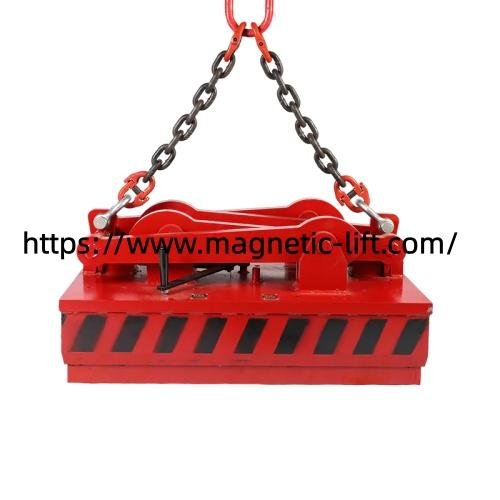
Permanent Magnet Lifting Device technology has attracted attention in manufacturing and material handling because it offers an alternative way to move compatible metal components without relying entirely on conventional mechanical attachments. In workshops, warehouses, and fabrication facilities, handling arrangements influence workflow organization, operator responsibilities, and production planning. Understanding the materials, operating principles, and application requirements behind magnetic equipment can help businesses make more informed purchasing decisions.
One important consideration is the magnetic material used inside the equipment. Permanent magnetic materials are selected according to their magnetic characteristics and intended working conditions. Their arrangement within the internal magnetic circuit influences the attraction function. The housing and other structural components provide support and protection for the internal assembly, making material selection and manufacturing quality important parts of product evaluation.
The external construction deserves attention as well. Industrial environments can involve dust, oil, metal particles, moisture, and frequent handling. Buyers should consider the housing material, surface treatment, structural protection, and general finish when comparing products. These details can influence routine cleaning and equipment management. A practical design should also allow operators to inspect accessible areas and identify visible signs of wear or damage.
The operating principle is based on magnetic attraction. When the equipment is activated according to its design, a magnetic circuit creates a field that attracts compatible ferromagnetic materials. Some designs use a mechanical handle or switching mechanism to change the magnetic state. This allows operators to engage or release the holding function without depending on a continuous electrical supply for the magnetic holding process.
This operating approach can be useful in applications involving steel plates, blocks, and other suitable components. However, not every metal material is compatible with magnetic handling. Aluminum, copper, and many other nonferromagnetic materials cannot be handled through ordinary magnetic attraction in the same way as suitable steel components. Buyers should confirm the material composition before choosing a product.
Workpiece conditions are equally important. Surface flatness, cleanliness, contact area, material thickness, and component shape can influence the suitability of a magnetic handling arrangement. Painted, coated, uneven, or contaminated surfaces may affect contact conditions. Before purchasing, businesses should provide the manufacturer with information about the materials and shapes they intend to handle. This helps establish whether a particular design matches the intended application.
Different industries have different handling requirements. Steel processing facilities may move plates between production areas, while fabrication workshops may need to reposition metal components during preparation and assembly. Warehouses may use magnetic equipment as part of their material movement arrangements. Each situation involves different workpiece characteristics and operating conditions, so product selection should reflect the actual handling process rather than general assumptions.
Safety is a central part of this purchasing decision. Operators should understand the activation and release procedures, inspect the equipment before use, and follow the manufacturer's instructions. The workpiece must be compatible with the equipment, and its surface condition should be checked before handling. Businesses should also consider the working environment, lifting path, and potential movement of nearby personnel.
A suitable operating routine includes checking the magnetic contact area and confirming that the equipment is correctly positioned. Operators should avoid using equipment outside its stated application conditions. They should also follow workplace lifting procedures and use any additional safety measures required by the handling task. Training helps employees understand the operating mechanism and respond appropriately to unexpected situations.
User experience is another factor worth considering. A convenient handle arrangement, understandable operating mechanism, and practical external shape can make equipment easier to incorporate into daily routines. Weight and handling convenience may also influence how operators position and store the product. Purchasing teams should consider feedback from employees who will use the equipment regularly, since their experience can reveal practical requirements that are not always obvious during initial product evaluation.
Maintenance should form part of the equipment management plan. Operators can clean the contact surface, remove accumulated debris, and inspect the housing and operating components according to the manufacturer's recommendations. Equipment should be stored in an appropriate location when not in use. If visible damage or unusual operating conditions occur, the product should be taken out of service until it has been properly assessed.
Another point buyers may overlook is technical support. Clear documentation, application guidance, inspection recommendations, and communication with the supplier can make product ownership easier to manage. Before confirming an order, businesses can ask about suitable workpiece materials, installation considerations, operating procedures, and maintenance requirements. These discussions help clarify expectations and support a more informed purchasing process.
Product design also affects how magnetic equipment fits into an industrial environment. A compact structural arrangement may be convenient in certain handling situations, while different workpiece shapes may require different equipment configurations. Buyers should evaluate the relationship between the product design and their existing lifting arrangements. Storage space, operator access, and the surrounding workflow are also worth considering.
As industrial manufacturing continues to involve varied materials and handling processes, businesses need equipment decisions based on practical application requirements. Kaixin provides magnetic equipment solutions for industrial customers evaluating material handling options. By considering workpiece compatibility, operating procedures, workplace conditions, and maintenance needs, purchasing teams can identify products that correspond with their operational plans. Businesses can visit https://www.magnetic-lift.com/ to review the company and its product range, then communicate their application requirements when considering a suitable magnetic handling solution.

 English
 Arabic
 French
 Spanish
 Portuguese
 Deutsch
 Dutch
 Italiano
 Russian
 Romaian
 Portuguese (Brazil)
 Tiếng Việt