
Heat styling is a popular way to achieve smooth, straight, curly, and voluminous hairstyles. However, frequent use of hair straighteners, curling irons, and blow dryers can gradually damage the hair's protective structure. Over time, excessive heat exposure may leave hair dry, rough, brittle, frizzy, and more vulnerable to breakage.
Heat-damaged hair often becomes difficult to manage because its outer protective layer, known as the cuticle, can become weakened. When this happens, hair may lose moisture more easily and struggle to maintain its natural smoothness and shine.
Although severely damaged hair cannot be permanently restored to its original condition through products alone, the right hair care routine can improve its appearance, reduce further damage, and make it easier to manage. Understanding how to care for heat-damaged hair is the first step toward healthier-looking strands.
Understanding How Heat Styling Damages Hair
Hair is primarily made of a protein called keratin. Its outer cuticle protects the inner structure and helps maintain a smooth surface.
When hair is repeatedly exposed to high temperatures, its protective cuticle can become damaged. Excessive heat may also affect the proteins and moisture balance within the hair shaft.
As damage accumulates, several noticeable problems may develop:
-
Increased dryness and roughness
-
Frizz and reduced natural shine
-
Split ends and breakage
-
Difficulty detangling and styling
-
Hair that feels brittle or weak
-
Loss of smoothness and elasticity
The extent of damage depends on factors such as styling temperature, frequency of use, hair condition, and whether protective products are applied.
Identify the Signs of Heat-Damaged Hair
Recognising heat damage early can help you adjust your hair care routine before the condition becomes more difficult to manage.
1. Excessive Dryness
Heat-damaged hair often feels rough and lacks softness. Frequent exposure to high temperatures can weaken the cuticle, making it harder for hair to retain moisture.
2. Increased Frizz
When the hair's outer layer becomes damaged, strands may appear uneven and frizzy. This can make hairstyles difficult to maintain, particularly in humid weather.
3. Split Ends and Breakage
Excessive heat can weaken the hair structure, increasing the likelihood of split ends and breakage. You may notice small broken strands or rough ends when brushing.
4. Loss of Natural Shine
Healthy-looking hair generally reflects light more evenly because its surface is relatively smooth. Damaged cuticles can create an uneven surface, making hair appear dull.
5. Difficult Detangling
Heat-damaged strands may experience increased friction, causing knots and tangles. This can make brushing uncomfortable and increase mechanical breakage.
Take a Break From Heat Styling
One of the most important steps in managing heat-damaged hair is reducing exposure to high temperatures.
If you regularly use straighteners or curling irons, consider taking a break for several weeks. This gives you an opportunity to maintain your hair without adding further thermal stress.
Try alternative styling methods such as:
-
Air-drying your hair whenever possible.
-
Using soft rollers for curls and volume.
-
Creating loose braids for natural waves.
-
Choosing hairstyles that do not require heated tools.
-
Allowing hair to dry partially before blow-drying.
Reducing heat exposure will not reverse existing structural damage, but it can help prevent additional deterioration.
Use a Moisturising Shampoo and Conditioner
A suitable shampoo and conditioner are essential for maintaining heat-damaged hair.
Choose a gentle shampoo designed for dry or damaged hair. Avoid cleansing products that leave your strands feeling excessively dry or rough.
After shampooing, apply conditioner to the mid-lengths and ends. These areas are generally more vulnerable to dryness and mechanical damage.
Look for conditioning ingredients such as glycerin, panthenol, fatty alcohols, and conditioning agents. They can help improve softness, reduce friction, and make hair easier to detangle.
Consistent conditioning is particularly important when your hair has become difficult to manage after frequent heat styling.
Incorporate a Deep Conditioning Hair Mask
Deep conditioning treatments can play an important role in caring for dry and heat-damaged hair.
Unlike ordinary conditioners, hair masks are generally formulated with more concentrated conditioning ingredients. Depending on their formulation, they can help improve softness, smoothness, and overall hair manageability.
How to Apply a Hair Mask
Follow these steps to incorporate a hair mask into your routine:
-
Wash your hair with a suitable shampoo.
-
Gently squeeze out excess water using a soft towel.
-
Apply the hair mask evenly through the mid-lengths and ends.
-
Distribute the product using your fingers or a wide-tooth comb.
-
Leave it on for the recommended time mentioned on the packaging.
-
Rinse thoroughly with lukewarm water.
For many people, a weekly deep conditioning treatment is a practical starting point. However, the ideal frequency depends on hair type and product instructions.
Choose Hair Care Products With Nourishing Ingredients
The ingredients in your hair care products can influence how your hair feels and looks.
When selecting products for heat-damaged hair, consider formulations containing the following ingredients.
Argan Oil
Argan oil contains fatty acids and vitamin E. It is commonly used in hair care formulations to condition strands, improve softness, and reduce the appearance of frizz.
Glycerin
Glycerin is a humectant that attracts and helps retain moisture. It is frequently included in conditioning products designed for dry hair.
Shea Butter
Shea butter is an emollient that helps soften hair and improve its surface feel. It is particularly useful in richer conditioning formulations.
Panthenol
Panthenol, also known as provitamin B5, is used in hair care products to improve conditioning, softness, and manageability.
Hydrolysed Proteins
Hydrolysed proteins are used in certain hair treatments to improve the feel and appearance of damaged strands. They can help hair feel smoother and more resilient, depending on the formulation.
Protect Your Hair Before Using Heat Tools
Sometimes heat styling is necessary for special occasions or everyday grooming. In such situations, taking protective measures can help reduce potential damage.
Always apply a suitable heat protectant before using a straightener, curling iron, or blow dryer.
Follow these precautions:
-
Use the lowest effective temperature for your hair type.
-
Avoid applying heated tools to wet hair unless the device is specifically designed for that purpose.
-
Do not repeatedly pass a straightener over the same section.
-
Keep blow dryers at a reasonable distance from your hair.
-
Limit the frequency of heat styling.
-
Follow the instructions provided with your styling tools.
Heat protectants can reduce thermal stress, but they do not eliminate the risk of heat damage.
Improve Your Daily Hair Care Habits
Your everyday habits can make a significant difference in maintaining the condition of your hair.
Use a wide-tooth comb to remove tangles gently, starting from the ends and working toward the roots.
Avoid rubbing your hair aggressively with a towel after washing. Instead, gently squeeze out excess water using a microfiber towel or soft cotton T-shirt.
You should also avoid tight hairstyles that place excessive tension on fragile strands. Sleeping on a smooth pillowcase may help reduce friction during the night.
Additionally, regular trimming helps remove split ends and prevents damaged sections from continuing to fray.
How Signature Professional Can Support Your Hair Care Routine
Choosing suitable hair care products is an important part of maintaining soft, manageable, and healthy-looking hair.
Signature Professional offers hair care solutions designed to support different hair needs, including dryness, conditioning, and improved hair texture.
Incorporating suitable conditioning products into your routine can help reduce roughness, improve softness, and make damaged hair easier to manage.
For hair affected by frequent heat styling, combining deep conditioning treatments with gentle cleansing and protective styling habits can help improve its overall appearance.
Remember that consistency matters more than using multiple products at once. Select products according to your hair type and follow their recommended instructions.
Conclusion
Repairing hair damaged by heat styling requires patience, consistent conditioning, and changes to everyday styling habits. Reducing heat exposure, using suitable shampoos and conditioners, applying deep conditioning treatments, and trimming damaged ends can help improve hair texture and prevent further damage.
Although existing structural damage cannot be completely reversed, the right hair care routine can make dry, brittle, and frizzy hair look smoother, softer, and healthier.
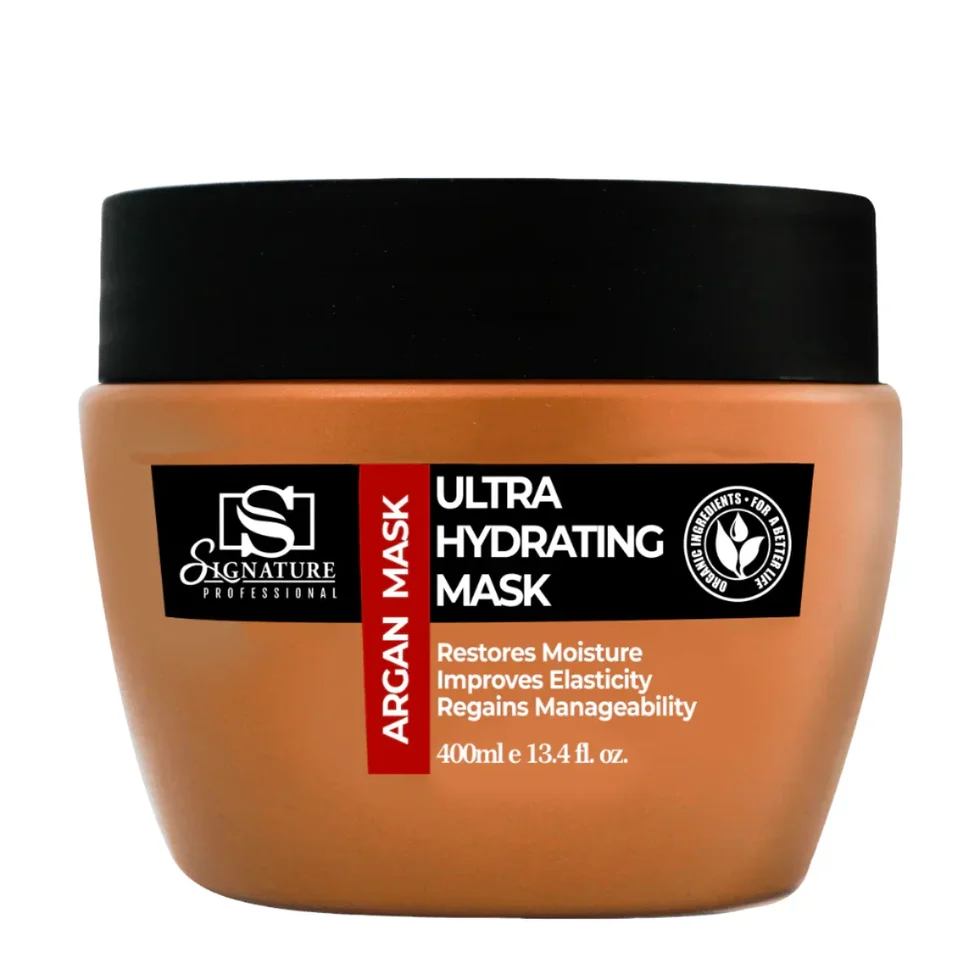
Signature Professional offers hair care solutions to complement your regular routine. Incorporating a suitable Argan Hair Mask in Pakistan can help condition dry strands, improve softness, reduce the appearance of frizz, and restore a smoother, naturally shiny appearance when used consistently.

 Arabic
 French
 Spanish
 Portuguese
 Deutsch
 Turkish
 Dutch
 Italiano
 Russian
 Romaian
 Portuguese (Brazil)
 Tiếng Việt