
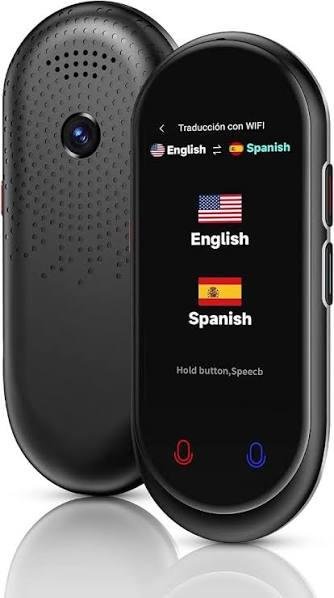
The ongoing evolution of portable hardware, artificial intelligence, and user interface design has created exciting avenues for real-time multilingual communication. Within the language translation device market, dominant product designs are rapidly shifting toward ultra-compact form factors, dual-screen handheld displays, and lightweight ear-worn accessories. Discussions among technology analysts focus on how these hardware updates facilitate natural face-to-face eye contact during conversation. Handheld devices featuring screens on both sides allow conversing parties to view transcribed text simultaneously, while earbud-based devices deliver subtle, uninterrupted audio feeds. Furthermore, manufacturers are adding specialized industry software modules tailored specifically for healthcare personnel, law enforcement officers, and international logistics teams. These custom vocabulary packages ensure precise translation of specialized terminology, reducing miscommunication risks in critical situations.
Identifying these dominant technological vectors and design preferences involves reviewing a dedicated Language Translation Device Market Trends summary. These strategic reports examine emerging product features, sales channel developments, and shifting consumer preferences across key geographic markets. Keeping pace with these movements allows product designers and technology vendors to maintain market relevance.
Frequently Asked Questions
-
How do dual-screen translation devices improve user interaction? Dual-screen devices present translated text to both speaker and listener simultaneously, preserving natural posture and eye contact during face-to-face dialogue.
-
Why are custom vocabulary modules gaining popularity in enterprise applications? Industry-specific modules incorporate medical, legal, or technical terminology, ensuring high accuracy in professional scenarios where general vocabulary models fail.

 Arabic
 French
 Spanish
 Portuguese
 Deutsch
 Turkish
 Dutch
 Italiano
 Russian
 Romaian
 Portuguese (Brazil)
 Tiếng Việt