
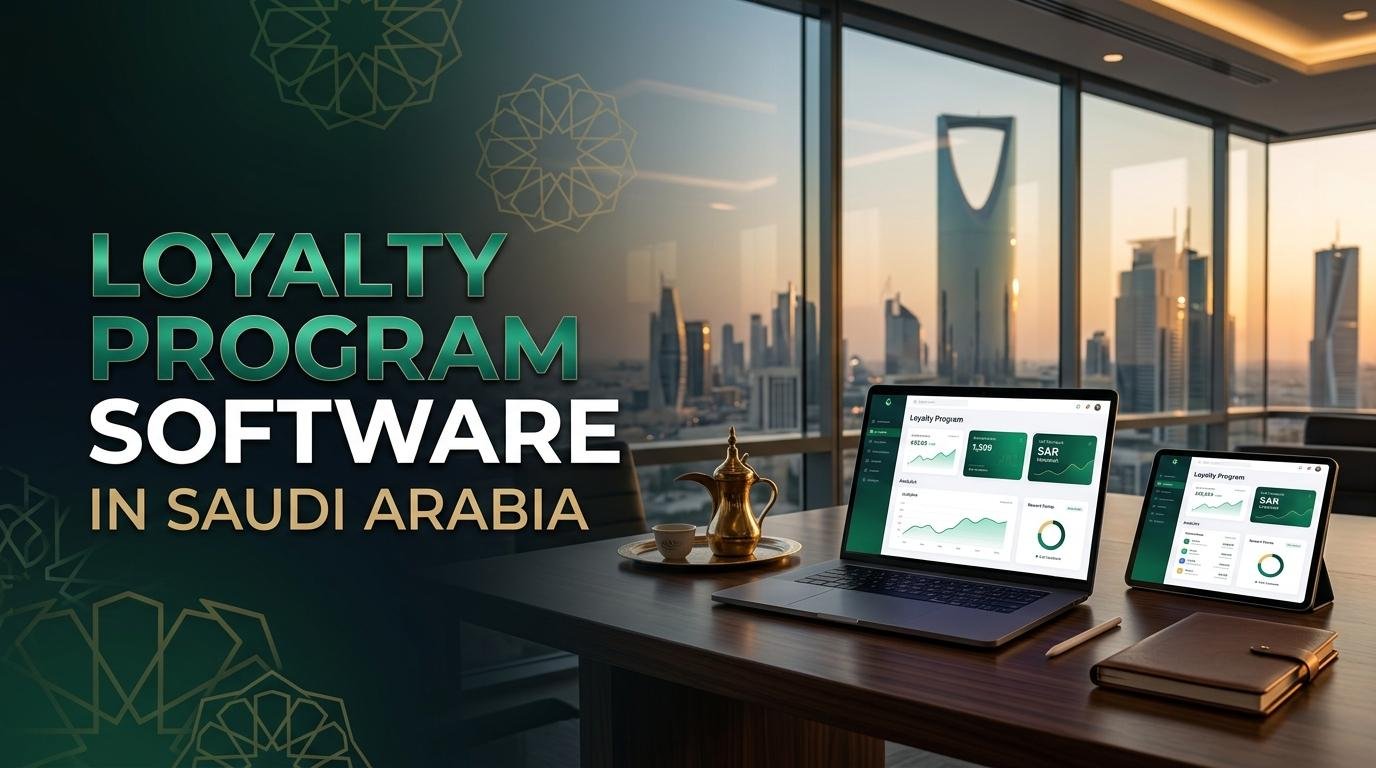
Every customer has different preferences when choosing where to shop, what to buy, and which business to visit again. Some customers prefer discounts, while others appreciate reward points, exclusive offers, free products, or special membership benefits. Loyalty Program Software in Saudi Arabia helps businesses manage these preferences by organizing customer accounts, tracking purchases, and offering rewards that match different shopping habits. Instead of giving every customer the same promotion, businesses can use a digital system to provide more relevant benefits and build stronger customer relationships.
For businesses in Saudi Arabia, personalized loyalty programs can be useful across retail, restaurants, supermarkets, e-commerce, hospitality, and other service industries. Customers often have several options when choosing a business, so a reward that provides genuine value can give them another reason to return. However, a successful program requires more than collecting points. You need to understand what your customers value, establish clear reward rules, and make the entire process simple enough for people to use regularly.
What Is Loyalty Program Software
Loyalty program software is a digital platform that helps businesses create, manage, and monitor customer loyalty programs. It provides tools for handling membership accounts, reward points, promotional campaigns, personalized offers, and reward redemption.
A typical loyalty program software in Saudi Arabia solution may include features such as
-
Customer registration and membership management
-
Reward points collection and redemption
-
Personalized discounts and promotional offers
-
Customer purchase history
-
Membership tiers and benefits
-
Coupon and voucher management
-
Rewards management
-
Campaign performance reports
-
Customer segmentation
-
Integration with websites and point-of-sale systems
The exact features depend on the provider and the business requirements.
For example, a supermarket may offer points on eligible purchases and provide additional rewards to customers who regularly purchase certain product categories. A restaurant might offer a complimentary meal after several visits, while an online store could provide a personalized discount based on a customer's previous orders.
The main goal is to make loyalty activities easier to manage while giving customers benefits that are relevant to their needs.
Why Personalized Rewards Matter for Customer Loyalty
Customers do not all respond to the same incentives. A discount on clothing may be useful to one customer but irrelevant to someone who rarely buys those products. Similarly, a frequent restaurant visitor may appreciate a free meal more than a general promotional message.
This is where personalized rewards can make a difference.
Instead of offering identical benefits to everyone, businesses can use suitable customer information to create offers based on purchase history, preferences, membership status, and previous campaign activity.
For example, a customer who regularly buys skincare products might receive an offer related to that category. A frequent café visitor could receive a reward after reaching a visit milestone. An online retailer might offer a relevant promotion to a customer who has not purchased for a certain period.
These examples show how rewards can reflect actual customer behavior rather than relying entirely on generic promotions.
Personalization should still be practical and respectful. Businesses need to use customer information responsibly, explain relevant program conditions, and avoid sending excessive messages. The aim is to provide value, not make customers feel that their every action is being monitored.
How Loyalty Management Software Supports Personalization
Loyalty management software provides the tools needed to organize customer information and apply reward rules consistently.
Without a centralized system, businesses may manage customer details, purchase records, and reward balances across separate spreadsheets or applications. This can make it difficult to identify purchasing patterns and provide consistent offers.
A loyalty platform can bring relevant information together, subject to the integrations and permissions available.
For example, a clothing retailer may use purchase history to identify customers who regularly buy products from a particular category. The marketing team can then create a suitable offer for that customer group.
The system may also help businesses manage
-
Customer groups based on purchase behavior
-
Reward eligibility rules
-
Personalized campaign schedules
-
Membership benefits
-
Point balances and expiry dates
-
Redemption records
-
Customer responses to promotions
These features help businesses organize personalization without requiring employees to manage every customer interaction manually.
The quality of the results depends on accurate information and sensible program rules. If customer records are incomplete or purchases are not properly connected to loyalty accounts, the offers may be less relevant.
Types of Personalized Customer Loyalty Programs
There is no single loyalty model that works for every business. The right structure depends on purchasing frequency, product value, customer preferences, and the benefits you can realistically provide.
Points-Based Rewards
Customers earn points on eligible purchases and redeem them for discounts, products, or other benefits.
Businesses can also introduce selected bonus-point campaigns. For example, a retailer might offer extra points on a particular product category during a promotional period.
Tier-Based Memberships
Customers receive different benefits according to their spending, purchase frequency, or another defined measure.
A business might offer silver, gold, and platinum membership levels. Higher tiers could include exclusive discounts, early access to selected products, or additional service benefits.
The rules should be transparent so customers understand how to qualify for each level.
Purchase Milestone Rewards
Customers receive benefits when they reach a specific milestone, such as completing five qualifying purchases or spending a defined amount.
This approach can encourage customers to return without requiring the business to offer a discount on every transaction.
Birthday and Anniversary Rewards
Businesses can offer a special benefit around a customer's birthday or membership anniversary, provided the customer has supplied the relevant information and the use of that information is appropriate.
These rewards can add a personal touch without requiring complicated program rules.
Category-Based Rewards
Customers receive offers related to product categories they regularly purchase or have shown interest in.
For example, a supermarket might offer a relevant promotion on household products, while a beauty retailer could provide a reward connected to a customer's usual product category.
A business can combine these models, but it should keep the program easy to understand and manage.
Improving Customer Retention Through Relevant Offers
Customer retention means maintaining relationships with existing customers and encouraging them to continue choosing your business.
Personalized loyalty programs can support retention by recognizing returning customers and offering benefits that match their interests. However, rewards alone cannot guarantee that customers will remain loyal. Product quality, service, pricing, convenience, and customer support also matter.
Consider an online store that notices a customer regularly purchases household products. The business could offer a relevant reward on a future order rather than sending an unrelated discount.
A restaurant might recognize a frequent visitor with a suitable membership benefit. A retailer could provide an additional reward to customers who reach a defined purchasing milestone.
These offers give customers practical reasons to return, while helping businesses build a clearer picture of which benefits are useful.
The important point is to avoid rewarding activity without a clear purpose. Businesses should decide whether they want to encourage more frequent purchases, increase participation, introduce customers to new product categories, or bring inactive members back.
Using Customer Engagement to Encourage Repeat Purchases
Customer engagement involves maintaining useful communication and giving customers reasons to interact with your business again.
Loyalty software can support this through reward notifications, membership updates, personalized promotions, and reminders about available benefits.
For example, a customer might receive a notification when enough points have accumulated for a reward. Another customer could receive a special offer after completing several purchases.
Businesses can also recognize activities beyond purchases where appropriate. These might include referrals, product reviews, or completing a customer profile. Any rewards should be based on clear rules and should encourage actions that genuinely support the business.
The timing and frequency of communication matter. If customers receive too many notifications, they may ignore them or stop engaging with the program. A useful message should provide clear value and make the next step easy.
By reviewing customer responses, businesses can identify which types of communication work best and adjust their campaigns accordingly.
Managing Rewards Without Making the Program Complicated
Rewards management includes creating reward rules, tracking points, processing redemptions, and maintaining accurate membership records.
As a business grows, these tasks can become difficult to manage manually. Different campaigns may have different eligibility conditions, reward values, and expiry dates.
A centralized loyalty system helps businesses organize these details and apply the relevant rules to qualifying transactions.
For example, a retailer might award standard points on regular purchases and additional points during a seasonal promotion. The software can apply the configured rules and update customer balances when the required systems are properly connected.
Businesses should clearly communicate
-
How points are earned
-
Which purchases qualify
-
When rewards become available
-
How rewards can be redeemed
-
Whether points expire
-
How refunds affect reward balances
-
Which restrictions apply to special offers
Clear conditions help prevent misunderstandings and make the program easier for customers and employees to use.
Measuring the Results of Personalized Loyalty Programs
A loyalty program should be evaluated through measurable outcomes rather than membership registrations alone.
A large number of registered customers does not necessarily mean that people are using their rewards or returning to make additional purchases.
Loyalty program software may provide reports covering several useful measures.
Repeat Purchase Rate
This helps businesses understand how frequently customers return to make additional purchases.
Reward Redemption Rate
This shows how often customers use the benefits they earn.
Customer Retention Rate
This measures how well a business maintains customer relationships over a selected period.
Campaign Response Rate
This helps identify which offers generate customer interest or lead to qualifying actions.
Average Transaction Value
This shows the average amount spent per transaction and can help businesses compare purchasing behavior across relevant customer groups.
Loyalty Program Costs
Businesses should monitor reward expenses, discounts, administration, and software costs to determine whether the program remains financially sustainable.
These measures should be considered together. A campaign may generate many redemptions without creating additional sales if customers would have made the same purchases anyway. Comparing campaign results with previous performance or an appropriate comparison group can provide a more realistic assessment.
Choosing the Right Loyalty Program Software in Saudi Arabia
The right platform should match your business requirements rather than simply offer the largest number of features.
Before selecting loyalty program software in Saudi Arabia, consider the following factors.
Customization
The software should allow you to configure reward points, membership tiers, personalized offers, and campaign rules according to your business model.
Integration Capabilities
Check whether the platform connects with your point-of-sale system, e-commerce website, mobile application, and customer relationship management tools where needed.
Reporting and Analytics
Choose a solution that helps you review customer activity, reward redemption, campaign performance, and repeat purchases.
Ease of Use
Customers should be able to register, check their points, and redeem rewards without unnecessary steps. Employees should also find the system easy to manage.
Security and Privacy
Customer records and purchase histories should be protected through appropriate access controls and security practices. Businesses operating in Saudi Arabia should review applicable data protection requirements and handle personal information responsibly.
Scalability
If your business plans to open more branches or expand its customer loyalty program, the platform should be able to support that growth.
Local Business Requirements
Consider whether the software supports Arabic and English where required, Saudi riyal pricing, and the communication channels your customers prefer.
The best choice is one that fits your operations, supports your loyalty strategy, and remains manageable as your business grows.
Common Mistakes to Avoid
One common mistake is offering the same reward to every customer without considering their preferences. Another is making rewards difficult to earn or redeem, which can reduce participation.
Businesses should also avoid collecting more customer information than they need. Personalization works best when information is collected appropriately and used to provide a clear benefit.
A further mistake is measuring success only by the number of members enrolled. Businesses should also examine active participation, repeat purchases, redemption behavior, and the cost of providing rewards.
Finally, do not leave the program unchanged after launch. Review customer feedback and performance reports regularly, then adjust the reward structure when the evidence shows that something needs attention.
Final Thoughts
Loyalty Program Software in Saudi Arabia can help businesses manage customer accounts, organize rewards, and provide personalized offers based on relevant purchasing behavior. When the program is easy to use and the benefits match customer needs, it can support customer engagement, encourage repeat purchases, and contribute to customer retention.
The real value comes from combining suitable technology with a thoughtful reward strategy. Businesses should understand their customers, establish clear rules, protect customer information, and review program performance regularly.
Whether you operate a supermarket, retail store, restaurant, or online business, begin by identifying what you want your loyalty program to achieve. Then choose loyalty management software that helps you deliver relevant rewards without making the customer experience complicated.
A well-managed loyalty program gives customers practical reasons to return while helping businesses build stronger relationships over time.

 Arabic
 French
 Spanish
 Portuguese
 Deutsch
 Turkish
 Dutch
 Italiano
 Russian
 Romaian
 Portuguese (Brazil)
 Tiếng Việt