
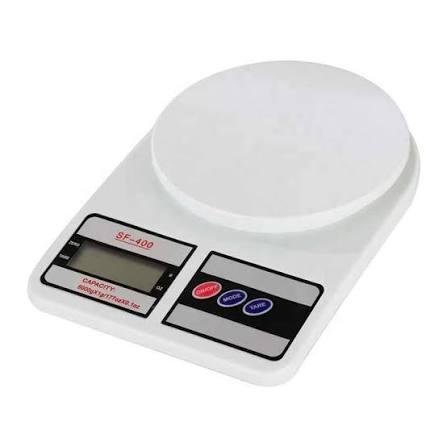
Accurate measurement is essential for businesses that handle products, ingredients, raw materials, and finished goods. A digital weighing scale provides a convenient way to measure weight through electronic sensors and a digital display. From retail shops and food-processing facilities to warehouses and manufacturing plants, digital scales help businesses maintain consistent measurements and improve daily operations. In the UAE, businesses can choose from various weighing solutions based on their required capacity, accuracy, and working environment.
What Is a Digital Weighing Scale?
A digital weighing scale is an electronic device that measures the weight of an object and displays the result on a digital screen. Unlike traditional mechanical scales, electronic models use sensors called load cells to detect the applied load and convert it into a readable measurement.
These scales are available in different sizes and configurations. Compact models are suitable for small products and ingredients, while larger units can handle packages, containers, and industrial materials.
Depending on the model, digital scales may include tare functions, rechargeable batteries, unit conversion, counting features, and data connectivity. These functions make them useful for businesses with different weighing requirements.
How Does a Digital Weighing Scale Work?
The working process of a digital weighing scale begins when an object is placed on its weighing platform. The load cell detects the force applied by the object and produces an electrical signal. The internal electronics process this signal and display the corresponding weight.
The accuracy of the result depends on several factors, including the quality of the equipment, its capacity, installation, calibration, and surrounding conditions.
For dependable measurements, businesses should use a scale that matches their intended application. A machine designed for general packaging, for example, may not provide the resolution required for laboratory measurements.
Different Types of Digital Weighing Scales
Businesses should select a scale according to the size and weight of the items they need to measure.
1. Table Top Weighing Scales
Table top scales are compact and convenient for counters, workbenches, and packaging stations. They are commonly used to weigh small products, ingredients, components, and parcels.
Their space-saving design makes them useful for retail businesses, food preparation, and light industrial operations.
2. Platform Weighing Scales
Platform scales provide a larger weighing surface for cartons, bags, drums, and other bulky products. Depending on the design, they can be used in warehouses, manufacturing facilities, and distribution centres.
Businesses can select different platform sizes and capacities to accommodate their normal working loads. Industrial suppliers in the UAE offer platform scales for commercial and heavy-duty weighing applications.
3. Precision Digital Scales
Precision scales are designed for applications that require more detailed measurements. They may be used in laboratories, jewellery businesses, research facilities, and manufacturing processes where small weight differences matter.
The required readability and capacity should be considered carefully before choosing a precision model.
4. Industrial Digital Scales
Industrial digital scales are built for workplaces that handle heavier materials or operate under demanding conditions. Depending on the application, available equipment may include floor scales, counting scales, crane scales, and specialized weighing systems.
Industries That Use Digital Weighing Equipment
Digital weighing equipment supports many industries throughout the UAE.
Retail and Supermarkets
Retailers use digital scales to weigh products and check quantities before sale or packaging. Price-computing and label-printing models may also help supermarkets and grocery stores manage products sold by weight.
Food Processing and Catering
Restaurants, bakeries, catering businesses, and food manufacturers use scales to measure ingredients and maintain consistent portions.
In environments where equipment requires frequent cleaning, businesses should consider suitable materials and protection against moisture. The scale must be designed for the conditions in which it will operate.
Warehousing and Logistics
Warehouses use digital weighing equipment to check incoming goods, measure packages, and verify product weights before dispatch.
Platform and floor scales can be particularly useful when employees handle large cartons, containers, or palletized products.
Manufacturing and Production
Manufacturers may weigh raw materials before processing and inspect finished products before packaging. Accurate measurements help operators follow production specifications and identify differences between batches.
Benefits of Using a Digital Weighing Scale
Digital scales offer several practical advantages when the equipment is correctly selected and maintained.
First, the electronic display makes measurements easy to read. Many models also provide functions that simplify routine weighing, such as tare adjustment and unit conversion.
Second, digital weighing can help businesses reduce reliance on manual estimation. This is useful when products need to be measured repeatedly or when consistent quantities are important.
Third, selected models support counting, printing, and data communication. These capabilities can improve inventory management and help businesses maintain more organized weighing records.
The specific benefits depend on the scale's features and how it is incorporated into the business workflow.
How to Choose the Right Digital Weighing Scale
Choosing suitable equipment requires a clear understanding of the products being weighed and the conditions in which the scale will be used.
Consider these important factors:
-
Capacity and readability: Make sure the maximum capacity and displayed increments match your weighing requirements.
-
Platform dimensions: Choose a platform that comfortably accommodates the items being measured.
-
Operating environment: Consider dust, moisture, temperature, vibration, and cleaning requirements.
-
Additional functions: Determine whether you need counting, printing, rechargeable batteries, or computer connectivity.
For example, a grocery store may prioritize easy operation and price calculation, while a factory may require durable construction and integration with production equipment.
Digital Weighing Scales in the UAE
Businesses across Dubai, Abu Dhabi, Sharjah, Ajman, and other UAE locations require weighing equipment for different commercial and industrial purposes.
When purchasing a digital weighing scale, customers should compare product specifications, capacity, readability, construction, warranty, and available technical support. Installation and calibration services may also be important, particularly for equipment used in production and quality-control processes.
Al Falah Scales can support businesses looking for weighing solutions suited to their operational needs. Selecting equipment according to the intended application helps businesses avoid unsuitable purchases and make better use of their investment.
Maintenance and Calibration
Regular care is essential for maintaining dependable weighing performance. Dust, spills, uneven surfaces, physical impact, and overloading may affect the reliability of measurements.
Businesses should keep the weighing platform clean, position the machine on a stable surface, and follow the manufacturer's operating instructions.
Calibration should be performed at appropriate intervals based on the equipment, usage, working environment, accuracy requirements, and applicable regulations. If readings become unstable or inconsistent, the scale should be inspected before being used for important measurements.
Proper maintenance and calibration help businesses identify problems early and maintain confidence in their weighing results.
Conclusion
A digital weighing scale is a practical solution for businesses that require convenient and consistent weight measurement. From retail and food processing to warehousing and industrial production, different models are available to suit a wide range of applications. By evaluating capacity, readability, durability, additional features, and maintenance requirements, businesses in the UAE can choose weighing equipment that supports their daily operations and long-term needs.
FAQs
1. What is a digital weighing scale used for?
A digital weighing scale measures the weight of products, ingredients, packages, components, and materials. Its applications include retail, food processing, warehousing, laboratories, and manufacturing.
2. Which digital weighing scale is best for business use?
The best option depends on the application. Table top scales suit smaller products, platform scales handle larger goods, and precision scales are appropriate for applications requiring finer measurements.
3. How can I maintain the accuracy of a digital weighing scale?
Place the scale on a stable, level surface, keep it clean, avoid overloading, follow the manufacturer's instructions, and arrange calibration when required.

 Arabic
 French
 Spanish
 Portuguese
 Deutsch
 Turkish
 Dutch
Dutch
 Italiano
 Russian
 Romaian
 Portuguese (Brazil)
 Tiếng Việt