
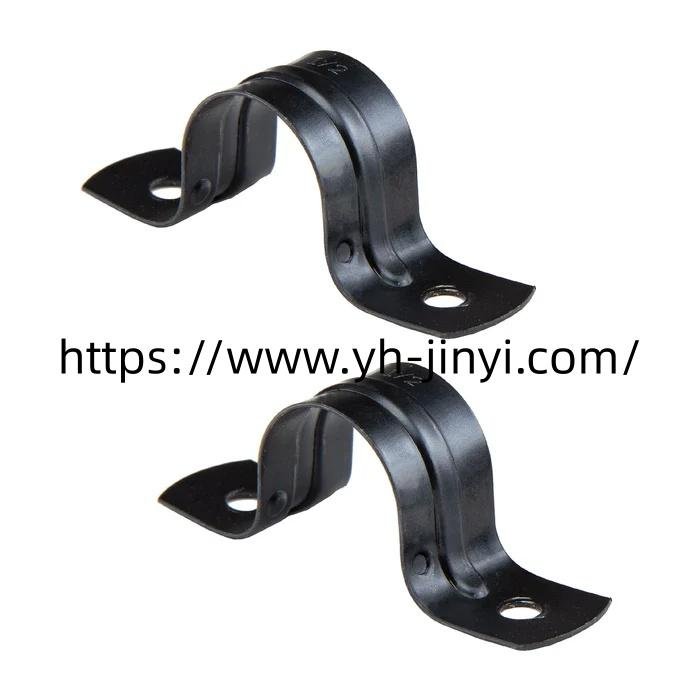
When planning a dependable heating system, the right Wall Radiator Bracket can make a real difference to installation quality, everyday stability, and the finished look of a room. A well-matched Radiator Mounting Bracket helps support the radiator at the correct position while keeping it securely attached to a suitable wall. Whether contractors are working on a new residential project or upgrading an existing heating system, choosing a Wall Radiator Bracket requires attention to radiator size, wall construction, and load requirements. With a suitable Radiator Mounting Bracket, installers can create a more organized setup that supports practical maintenance and reliable long-term use.
Match the Bracket to the Radiator
Radiators come in different shapes, sizes, weights, and mounting configurations, so one bracket design will not necessarily suit every model. Before purchasing, installers should check the radiator manufacturer's mounting instructions and confirm which bracket type is recommended.
The radiator's weight is especially important. A bracket must be appropriate for the load it will carry, including the radiator when filled with water. The number and placement of mounting points should also match the product's design. Using a bracket that looks similar but has incompatible dimensions can lead to installation difficulties or uneven support.
For distributors and contractors, keeping clear product specifications on hand makes selection easier. Information about dimensions, materials, compatible radiator styles, and installation methods helps buyers compare options without relying on guesswork.
Consider Wall Materials and Fixing Methods
A reliable installation begins with understanding the wall itself. Brick, concrete, timber framing, and plasterboard have different load-bearing characteristics, so the fixing method must be suitable for the specific surface.
Installers should check the wall structure before drilling and select appropriate anchors or fasteners according to the installation instructions. For heavier radiators, it may be necessary to secure the brackets directly to structural supports rather than relying on the wall finish alone.
Accurate marking is equally important. Brackets should be aligned according to the radiator's specified mounting points, with the required spacing and height carefully measured. Taking time to check the layout before fixing the hardware can help prevent uneven positioning, unnecessary holes, and time-consuming adjustments later.
Choose Materials for Lasting Performance
Radiator brackets may be small components, but their material and finish can affect how they perform over time. Heating systems can operate for years, so mounting hardware should be selected with the installation environment in mind.
Steel brackets are commonly used where dependable mechanical support is required. Depending on the application, surface treatments can also help protect metal components against corrosion. Buyers should compare material specifications, thickness, finish, and intended use rather than judging quality by appearance alone.
For projects in humid rooms or demanding environments, ask suppliers which finishes are available and what care they recommend. Consistent dimensions and suitable material selection can also help contractors achieve repeatable results across multiple installations.
Explore Custom Options With JINYI
For wholesalers, heating equipment manufacturers, and building contractors, product consistency is often just as important as the initial purchase price. A bracket that fits the intended radiator correctly can simplify installation planning and reduce the need for last-minute adjustments.
When comparing suppliers, review their available models, technical drawings, production capabilities, and quality inspection processes. Custom manufacturing may be useful when a project requires particular dimensions, material thicknesses, hole patterns, surface finishes, or packaging. Providing clear drawings or samples can help a manufacturer understand the application and recommend a suitable configuration.
It is also worth discussing order quantities, sample availability, and lead times before committing to a large order. A clear specification helps both sides confirm expectations and makes repeat purchasing more straightforward.
Whether you are sourcing components for residential heating systems or larger building projects, focus on fit, support requirements, material suitability, and installation conditions. To explore product options and discuss custom requirements, visit https://www.yh-jinyi.com/ .

 English
 Arabic
 French
 Spanish
 Portuguese
 Deutsch
 Turkish
 Dutch
Dutch
 Italiano
 Russian
 Romaian
 Tiếng Việt