
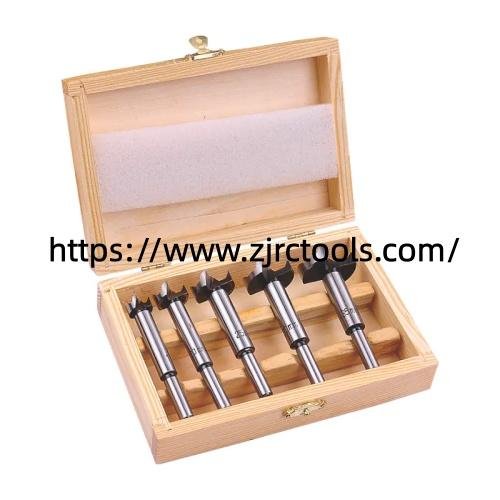
CNC Milling Cutter selection can directly influence machining stability, surface quality, production planning, and tooling costs. Buyers should consider more than product appearance or unit price when comparing options for a workshop or manufacturing line. Material type, machine configuration, cutting geometry, dimensions, operating conditions, and expected workload all deserve attention. A clear evaluation process helps purchasers choose a configuration that fits their actual production environment and avoids unnecessary changes after an order has been placed.
The workpiece material is an important starting point. Aluminum, carbon steel, stainless steel, copper alloys, plastics, and composite materials respond differently during machining. Harder materials can place greater demands on edge strength and heat management, while softer materials may require attention to chip evacuation and surface finish. Buyers should identify the materials they process most often and communicate this information when discussing tooling specifications with a manufacturer.
Geometry also deserves close attention. The number of flutes, helix angle, edge shape, and overall profile can affect chip evacuation, cutting resistance, surface condition, and operating stability. A configuration designed for roughing may not be suitable for finishing work. Similarly, a profile intended for narrow grooves may not provide the desired results when used for larger material removal. Connecting geometry with the actual operation can make product selection much more practical.
Shank dimensions should be checked against the machine holder or collet. Even when the cutting diameter appears suitable, an incompatible shank can prevent proper installation. Buyers should confirm shank size, overall length, cutting length, and available working depth before purchasing. These details become particularly important when production involves different machines because each spindle system may have its own dimensional requirements.
Machine performance should also be part of the evaluation. Spindle speed, feed rate, machine rigidity, coolant conditions, and workholding stability can influence how a tool performs. A configuration that works under one set of conditions may require different parameters in another workshop. Buyers can provide machine specifications and application details to the supplier so that recommendations are based on real working conditions rather than assumptions.
Another point worth checking is the relationship between cutting depth and tool dimensions. Deep material removal may require adequate flute length and effective chip evacuation, while shallow finishing passes may benefit from a different profile. Buyers should separate roughing, slotting, profiling, drilling related operations, and finishing tasks when building a tooling list. This approach can make purchasing more organized and help prevent one specification from being used for applications it was not intended to handle.
Surface requirements are equally relevant. For visible components, molds, fixtures, furniture parts, and precision components, the final appearance and dimensional condition can influence downstream work. Buyers should consider whether the application requires a rough surface for later processing or a cleaner finish after the machining stage. Trial processing with representative materials can provide useful information before a larger purchasing commitment is made.
For B2B buyers, consistency between batches can also matter. Stable dimensions, clear product specifications, reliable packaging, and traceable product information make it easier to manage recurring orders. When purchasing several sizes or configurations, standardized specifications can simplify inventory management. A manufacturer that can communicate clearly about available dimensions, production arrangements, customization, and inspection procedures can also help buyers manage procurement with fewer misunderstandings.
Cost evaluation should include more than the initial purchase price. Buyers can review expected working time, replacement frequency, machine downtime, resharpening options where applicable, and the effect of tool changes on production schedules. A lower purchase price may not always provide the most practical operating arrangement if replacement becomes frequent. Looking at the broader purchasing cycle gives manufacturers and distributors a clearer basis for comparison.
Testing is another useful step before placing a larger order. A sample can be used to evaluate cutting behavior under actual machine conditions. Buyers can observe vibration, chip evacuation, edge condition, dimensional results, surface appearance, and temperature during operation. Recording these observations provides useful feedback for adjusting geometry or dimensions before regular procurement begins.
Rct supports buyers with machining tooling options designed around different application requirements, including material selection, dimensions, geometry, and machine compatibility. Instead of choosing from a single specification for every job, purchasers can discuss their processing conditions and production goals with the supplier to identify a suitable configuration. Buyers can also review the available product information at https://www.zjrctools.com/ while comparing specifications with their equipment and manufacturing requirements. This application focused approach can make procurement more organized and help integrate tooling decisions into everyday production planning.

 English
 Arabic
 French
 Spanish
 Portuguese
 Deutsch
 Turkish
 Dutch
Dutch
 Italiano
 Russian
 Portuguese (Brazil)
 Tiếng Việt