
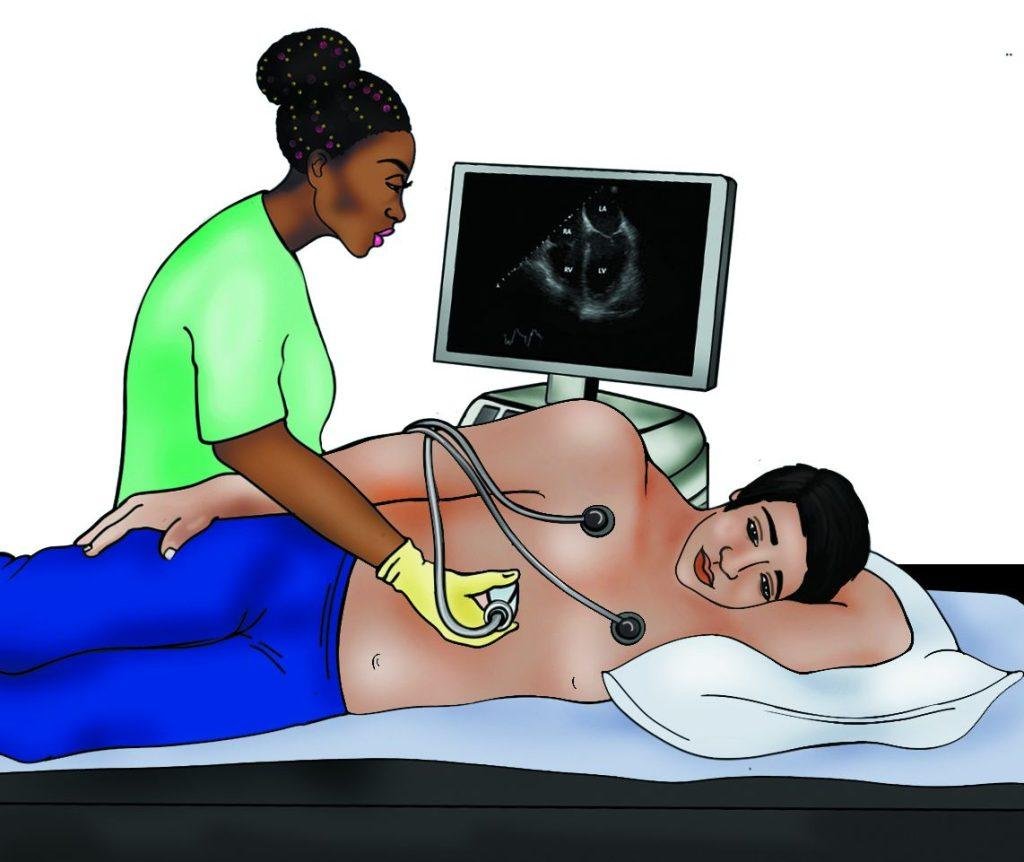
The heart's structure and movement can provide important information about cardiovascular health. When a healthcare professional needs to examine how the heart is working, an echocardiogram can provide detailed images of the heart. An Echo Heart Test in Lahore may be recommended as part of a medical evaluation when heart-related concerns need further investigation.
What Is an Echo Heart Test?
An echocardiogram, commonly called an echo, is an imaging test that uses sound waves to create moving pictures of the heart.
Unlike an X-ray, an echocardiogram does not use ionizing radiation. It can allow healthcare professionals to examine different aspects of the heart, including its chambers, valves, and movement.
The specific type of echocardiogram used can depend on what the doctor needs to evaluate.
Why Might a Doctor Recommend an Echocardiogram?
An echocardiogram may be recommended for different reasons. A healthcare professional may use it to investigate symptoms, evaluate a known heart condition, or monitor changes over time.
It can provide information that may help doctors assess how the heart is functioning and whether further evaluation is needed.
The decision to perform an echocardiogram depends on the individual's symptoms, medical history, and clinical circumstances.
What Can an Echocardiogram Show?
An echocardiogram can provide information about several aspects of the heart.
It may help healthcare professionals examine:
-
Heart chambers
-
Heart valves
-
Heart muscle movement
-
Blood flow through the heart
-
Overall pumping function
-
Certain structural abnormalities
The information obtained can be useful when combined with other clinical findings.
How Does an Echo Test Work?
During a standard echocardiogram, a healthcare professional places a small device called a transducer against the chest. The device sends and receives sound waves to produce images of the heart.
The images are displayed on a monitor so the heart can be observed while it is moving.
The procedure is generally performed without surgery, and the healthcare professional conducting the examination can provide instructions throughout the process.
Is an Echo the Same as an ECG?
No. An echocardiogram and an ECG are different tests.
An ECG records the heart's electrical activity, while an echocardiogram creates images of the heart using sound waves.
Doctors may sometimes use both tests because they provide different types of information. The choice of testing depends on the symptoms and clinical questions being investigated.
Can an Echo Evaluate Heart Valves?
Yes. Echocardiography can provide images of heart valves and information about how they are moving and functioning.
It can also provide information about blood flow through the valves using specialized ultrasound techniques.
If an abnormality is identified, the healthcare professional can determine whether additional testing or follow-up is necessary.
Can an Echo Show Heart Function?
An echocardiogram can provide information about how the heart muscle moves and pumps blood. Certain measurements can help doctors evaluate the heart's pumping function.
However, results should be interpreted by an appropriately qualified healthcare professional. The findings need to be considered alongside symptoms, medical history, and other investigations.
What Should Patients Expect During the Test?
Preparation can vary depending on the type of echocardiogram being performed. For a standard echocardiogram, the patient typically lies down while the healthcare professional performs the examination.
Patients may be asked to follow specific instructions before certain specialized types of echocardiography.
The healthcare facility can provide the exact preparation requirements before the appointment.
Why Is Professional Interpretation Important?
Medical imaging can contain detailed information that requires trained interpretation. A healthcare professional reviews the images and relevant measurements to determine what they may indicate.
Patients should avoid trying to diagnose a heart condition based on an imaging report alone. Discussing the results with the doctor who requested the test can provide appropriate context.
When Might Follow-Up Testing Be Needed?
Follow-up depends on the findings and the reason for the original examination. A doctor may recommend additional testing if the echocardiogram shows something that requires closer evaluation.
In other situations, an echocardiogram may simply be used as part of ongoing monitoring.
The appropriate next step depends on the individual's clinical circumstances.
Final Thoughts
An echocardiogram can provide valuable information about the heart's structure, movement, valves, and pumping function. It is different from an ECG and can complement other cardiovascular tests when a doctor needs a broader understanding of heart health.
If an echo has been recommended, following the testing facility's instructions and discussing the results with a qualified healthcare professional can help patients understand the findings appropriately.
For more useful health, lifestyle, and general information, visit FacDer.

 Arabic
 French
 Spanish
 Portuguese
 Deutsch
 Turkish
 Dutch
Dutch
 Italiano
 Russian
 Romaian
 Portuguese (Brazil)
 Tiếng Việt