
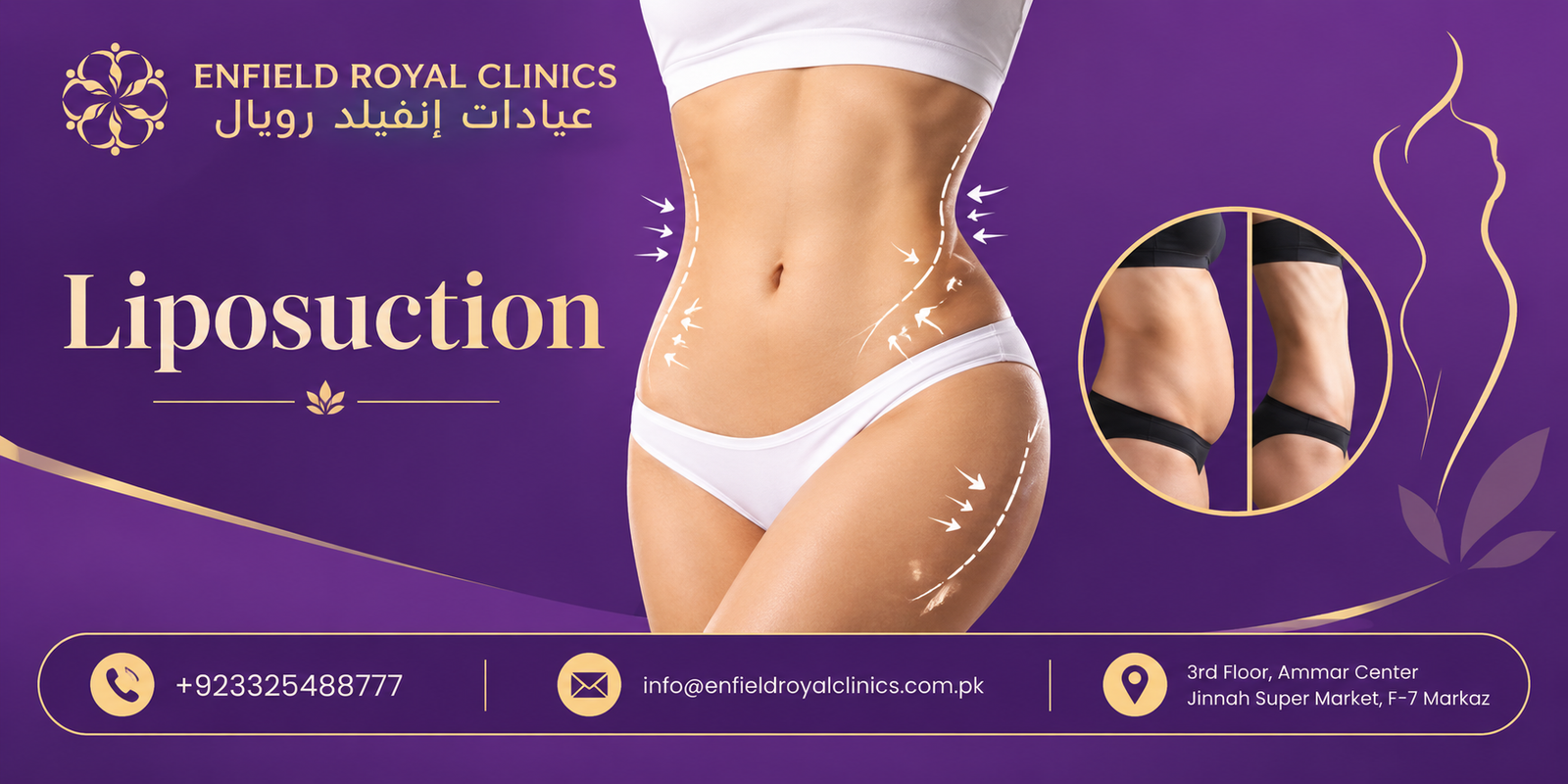
Liposuction is a body-contouring procedure designed to reduce localized fat deposits that may remain resistant to diet and regular physical activity. For people considering Liposuction In Islamabad, understanding the treatment process can make the decision easier and help set realistic expectations. Rather than focusing only on fat removal, the procedure involves careful planning, preparation, controlled treatment, recovery, and long-term maintenance.
The treatment journey can vary according to the targeted body area, amount of fat, skin elasticity, overall health, and individual goals. A well-planned approach focuses on creating balanced contours while maintaining a natural-looking appearance.
Initial Assessment and Treatment Planning
The first important step is a detailed assessment. During this stage, the treatment area is evaluated to determine whether localized subcutaneous fat is suitable for liposuction. Common areas include the abdomen, waist, flanks, hips, thighs, arms, back, and sometimes the area beneath the chin.
The assessment may also consider skin quality and elasticity. This is important because liposuction removes fat but does not directly correct significant loose or excess skin. Individuals with good skin elasticity may experience better adaptation of the skin to the newly shaped contours.
A treatment plan is then developed according to the individual's body proportions and desired outcome. The goal is generally not to remove as much fat as possible but to reduce selected deposits in a controlled way and create smoother transitions between treated areas.
Preparing for the Liposuction Procedure
Preparation is another key part of the treatment process. Before the procedure, relevant medical information, current medications, allergies, previous procedures, and general health may be reviewed. Any recommended tests or precautions depend on the individual's circumstances and the planned treatment.
Patients may receive specific instructions regarding eating, drinking, medications, smoking, and physical activity before treatment. Following these instructions carefully can help support a smoother procedure and recovery.
The treatment areas are also identified and marked according to the planned contouring strategy. These markings help guide the procedure and allow the targeted areas to be treated systematically.
Good preparation also involves understanding recovery. Patients should know that swelling, bruising, tenderness, tightness, and temporary changes in sensation can occur after liposuction. Arranging suitable support and allowing enough time for initial recovery can make the post-treatment period more manageable.
Controlled Fat Removal During Treatment
During liposuction, a small opening is generally made in the selected area. A thin tube called a cannula is then introduced through the opening. The cannula is moved carefully through the fatty tissue while controlled suction removes targeted subcutaneous fat.
The exact technique can vary depending on the treatment area, the amount of fat being addressed, and the overall treatment plan. Careful movement and controlled fat removal are important for achieving even contours and avoiding unnecessary irregularities.
Liposuction is primarily a body-shaping procedure rather than a general weight-loss treatment. It focuses on localized fat beneath the skin and does not directly remove visceral fat surrounding internal organs. For that reason, it is generally considered most appropriate for people who want to refine specific areas rather than achieve substantial overall weight reduction.
Shaping the Treated Areas
Fat removal is only one part of successful body contouring. Another important step is creating a smooth relationship between the treated and untreated areas. Removing too much fat from one location without considering surrounding contours can affect the overall appearance.
For example, treatment around the abdomen may also require attention to the waist and flanks to create a more balanced transition. Similarly, treating the thighs or hips requires consideration of nearby body areas.
Individual anatomy plays an important role in this stage. Fat distribution, muscle structure, skin elasticity, and natural body proportions differ from person to person. A personalized approach can therefore be more suitable than applying the same treatment pattern to every individual.
The final contour is not immediately visible because swelling can temporarily change the appearance of the treated area. As healing progresses, the shape generally becomes easier to assess.
Recovery and Aftercare
Recovery is an essential stage of the liposuction journey. Swelling and bruising are common during the early period, while tenderness, tightness, or temporary numbness may also occur. The intensity and duration of these effects vary depending on the treatment area and individual healing response.
Aftercare instructions should be followed carefully. Recommended activity levels, wound care, compression garments when advised, and follow-up appointments can all form part of recovery.
Light movement may be encouraged when appropriate, while strenuous activity is usually restricted during the early healing period. Returning to normal exercise should be based on individual recovery and professional guidance rather than a fixed timetable.
Patients should also understand that the body needs time to settle. Early swelling can make the treated area appear different from the eventual result, so judging the outcome too soon may lead to unrealistic expectations.
When Do Liposuction Results Become Noticeable?
Liposuction results generally develop gradually. As swelling decreases and the tissues heal, the contours of the treated area become more defined. The timeline can differ between individuals and depends on factors such as the amount of fat removed, treatment area, skin elasticity, healing response, and aftercare.
The procedure removes fat cells from the treated area, but the remaining fat cells can still enlarge if significant weight is gained later. Maintaining a relatively stable weight can therefore help preserve the contouring effect.
Healthy eating habits, regular physical activity, adequate hydration, and consistent lifestyle choices can support long-term body shape. Natural aging, pregnancy, major weight changes, and changes in skin elasticity can also affect body contours over time.
It is important to remember that liposuction is not a replacement for healthy lifestyle habits. Its main purpose is to refine selected areas where localized fat remains noticeable despite general efforts to maintain a healthy body weight.
Frequently Asked Questions
1. What is the first step in liposuction treatment?
The first step is usually an individual assessment and treatment-planning process. The targeted fat deposits, skin elasticity, overall health, and desired body contours are considered before treatment is planned.
2. Is liposuction a weight-loss procedure?
No. Liposuction is primarily designed for body contouring and localized subcutaneous fat reduction. It is not intended to replace a healthy diet, exercise, or comprehensive weight-management treatment.
3. How long does it take to see liposuction results?
Results develop gradually as swelling decreases and the treated tissues heal. The timing varies depending on the individual, treatment area, amount of fat removed, and healing response.
4. Can liposuction results be maintained?
A relatively stable weight and healthy lifestyle can help maintain the changes. Although fat cells are removed from treated areas, remaining cells can enlarge with significant weight gain, which may alter body contours.
For more information visit Enfield royal clinic in islamabad

 English
 Arabic
 French
 Spanish
 Portuguese
 Turkish
 Dutch
Dutch
 Italiano
 Russian
 Romaian
 Portuguese (Brazil)
 Tiếng Việt