
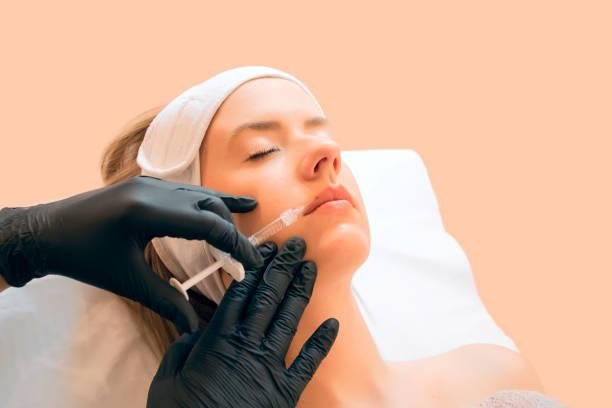
Fine lines are among the earliest visible signs of skin aging and can develop as collagen production decreases over time. While skincare can support healthy skin, some people explore injectable treatments for additional improvement. Radiesse is designed to provide structural support while encouraging collagen production, which may help improve the appearance of certain fine lines and aging-related changes. For suitable patients, Radiesse Filler Injections in Riyadh can be part of a personalized approach to achieving smoother, firmer, and more refreshed-looking skin.
How Does Radiesse Help With Fine Lines?
Radiesse contains calcium hydroxylapatite microspheres suspended in a gel carrier. The gel can provide immediate support, while the calcium hydroxylapatite can stimulate the body's natural collagen response. This dual action makes Radiesse different from treatments that only provide temporary filling.
Supporting Collagen Production
Collagen plays an important role in maintaining skin structure, firmness, and elasticity. As collagen production naturally declines with age, fine lines can become more noticeable. Radiesse may encourage new collagen formation, potentially improving the skin's underlying support and reducing the visibility of certain fine lines over time.
Improving Skin Structure
Fine lines are not always caused by surface changes alone. Loss of structural support can contribute to creasing and changes in facial contours. By supporting the treated area and promoting collagen remodeling, Radiesse may help create a smoother-looking appearance in appropriately selected patients.
Which Fine Lines Can Radiesse Address?
Radiesse may be considered for certain areas where reduced collagen and structural support contribute to visible lines. However, it is not suitable for every type of wrinkle or every facial area.
Lines Around the Lower Face
Changes in collagen and facial support can contribute to lines around the lower face and mouth area. In selected cases, Radiesse may help improve the appearance of these concerns by supporting the surrounding tissues and encouraging collagen production.
Fine Lines Related to Skin Laxity
When fine lines occur alongside mild skin laxity, improving underlying support may help create a firmer-looking appearance. Radiesse can be considered as part of a treatment plan when the practitioner determines that collagen stimulation and structural support are appropriate.
Does Radiesse Immediately Remove Fine Lines?
Radiesse can produce an immediate improvement related to the gel component, but collagen-related benefits develop gradually. Therefore, patients should not expect every fine line to disappear immediately after treatment.
Gradual Collagen Remodeling
After treatment, the body's collagen response develops over time. As collagen remodeling progresses, the skin may gradually appear firmer and smoother. The timeline and degree of improvement vary depending on individual factors, the treatment area, and the amount of collagen loss.
Natural-Looking Improvement
The aim of treatment is generally to improve the appearance of aging rather than completely erase every line. A carefully planned approach can help maintain facial movement and natural characteristics while addressing selected areas of concern.
Radiesse for Skin Quality and Fine Lines
Fine lines often occur alongside changes in skin texture, firmness, and elasticity. Because Radiesse can stimulate collagen, its potential benefits may extend beyond the appearance of a single line.
Supporting Firmer-Looking Skin
As collagen levels change, skin can become less resilient and more lax. Radiesse may encourage collagen production and provide support, which can contribute to an improved overall appearance in appropriately selected patients.
Enhancing Overall Facial Appearance
Rather than treating fine lines in isolation, a practitioner may assess the entire facial structure. Improving selected areas of support can help create a more balanced appearance while addressing signs associated with collagen loss.
Is Radiesse Suitable for Everyone With Fine Lines?
Not necessarily. The cause, depth, location, and type of fine lines all influence whether Radiesse is an appropriate treatment. Some wrinkles are primarily caused by repeated muscle movement, while others are related to volume loss, collagen depletion, skin damage, or laxity.
Why Individual Assessment Matters
During a consultation, a qualified practitioner can evaluate your facial anatomy and skin condition and determine which treatment approach is most suitable. In some cases, another injectable or skin-focused treatment may be more appropriate for a specific type of wrinkle.
Can Radiesse Be Combined With Other Treatments?
Some patients may benefit from combining Radiesse with other aesthetic procedures that address different concerns. For example, treatments targeting dynamic wrinkles or skin surface quality may complement a collagen-stimulating approach.
However, combination treatments should be carefully planned. The procedures, treatment areas, and timing need to be considered to support safe recovery and natural-looking results. Your practitioner can recommend whether treatments should be performed together or scheduled separately.
What Should You Expect After Radiesse?
Following Radiesse Filler Injections in Riyadh, temporary swelling, redness, tenderness, or bruising may occur around the injection area. These effects generally improve as the treated area settles. Patients should follow their practitioner's aftercare instructions and avoid unnecessary pressure or manipulation of the treated area.
The appearance of fine lines may continue to change as collagen remodeling develops. Because individual responses vary, your practitioner can provide more personalized information about what you may expect during the recovery and results timeline.
Maintaining Your Results
Healthy skincare habits can complement professional treatment and support the appearance of your skin. Daily sun protection, appropriate hydration, a consistent skincare routine, and a healthy lifestyle can all contribute to maintaining healthy-looking skin.
Follow Your Personalized Plan
The longevity and appearance of results can vary between individuals. Follow-up appointments allow your practitioner to assess your progress and determine whether additional treatment may be appropriate based on your goals.
Why Choose Professional Guidance?
Fine lines can have different causes, so treating them effectively requires more than selecting an injectable treatment. A professional assessment can help identify whether collagen stimulation, structural support, muscle relaxation, skin resurfacing, or another approach is more suitable.
At Royal Clinic Saudia, patients can discuss their concerns and receive personalized guidance based on their facial structure and aesthetic goals. A consultation can help determine whether Radiesse Filler Injections in Riyadh are appropriate for improving the appearance of fine lines and supporting overall skin quality.
Book a Consultation at Royal Clinic Saudia
If fine lines are making your skin appear older or less refreshed, consider consulting the experienced team at Royal Clinic Saudia. A personalized assessment can help you understand suitable treatment options, expected results, and appropriate aftercare.
FAQs:
Can Radiesse completely remove fine lines?
Radiesse may reduce the appearance of certain fine lines, particularly those associated with collagen loss and reduced structural support. However, it is not expected to completely eliminate every line.
How does Radiesse stimulate collagen?
Radiesse contains calcium hydroxylapatite, which can encourage the body's natural collagen response. This process develops gradually and can contribute to improved firmness and skin quality.
When will I see an improvement in fine lines after Radiesse?
Some improvement may be visible relatively soon after treatment, while collagen-related changes develop progressively. The timing varies according to the individual and treatment area.
Can Radiesse be used with other wrinkle treatments?
In selected cases, Radiesse can be incorporated into a broader treatment plan with other procedures. A qualified practitioner should determine which treatments are appropriate and how they should be scheduled.

 English
 Arabic
 French
 Spanish
 Portuguese
 Deutsch
 Turkish
 Dutch
Dutch
 Italiano
 Russian
 Romaian
 Portuguese (Brazil)