
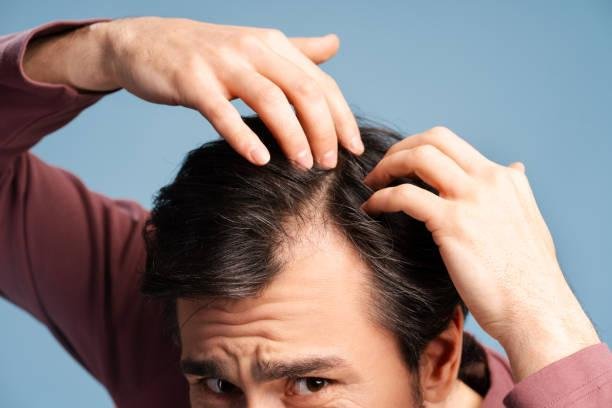
Hair health is influenced by more than genetics and medical conditions. Everyday habits such as nutrition, sleep, stress management, hair-care routines, and physical activity can also affect the hair-growth cycle and overall scalp health. For individuals considering hair loss treatment, understanding these lifestyle factors can help support a more comprehensive approach to managing thinning, shedding, and other hair concerns.
The Connection Between Lifestyle and Hair Health
Hair follicles require adequate nutrients, blood supply, and a healthy surrounding environment to support normal growth. While lifestyle improvements cannot correct every type of hair loss, unhealthy habits may contribute to excessive shedding or make it more difficult to maintain existing hair.
Lifestyle factors should therefore be considered alongside medical history, genetics, scalp health, and the specific pattern of hair loss. A professional assessment can help determine which factors may be relevant to an individual's condition.
Nutrition and Hair Growth
Importance of Adequate Protein
Hair is primarily composed of a protein called keratin, making adequate protein intake an important part of a balanced diet. Insufficient protein intake may affect normal hair growth in some individuals.
Sources such as eggs, fish, lean meats, dairy products, legumes, and other protein-rich foods can contribute to a balanced nutritional pattern.
Essential Vitamins and Minerals
Certain nutrients, including iron, zinc, vitamin D, and other vitamins and minerals, play roles in normal body functions related to hair health. Deficiencies may be associated with hair shedding in some people.
However, taking supplements without identifying a deficiency is not always appropriate. Professional evaluation and, when necessary, laboratory testing can help determine whether nutritional factors are contributing to hair concerns.
Stress and Its Effect on Hair Shedding
Significant physical or emotional stress can disrupt the normal hair-growth cycle. Some people may experience increased shedding after periods of intense stress, illness, major life changes, or other physical challenges.
Stress-related shedding may become noticeable weeks or months after the triggering event. Managing stress through appropriate techniques, regular physical activity, relaxation practices, and sufficient rest may support overall well-being and healthy hair-care habits.
Sleep and Hair Health
Consistent, quality sleep contributes to overall physical health and recovery. Irregular sleep patterns and prolonged sleep deprivation can affect the body's normal functions and may contribute indirectly to stress and lifestyle imbalance.
Maintaining a regular sleep schedule can be a useful part of a broader approach to health. However, improving sleep alone may not resolve hair loss caused by genetics, hormonal conditions, or other medical factors.
Hair-Care Habits That Matter
Avoiding Excessive Heat
Frequent use of high-temperature styling tools can weaken the hair shaft and increase breakage. Limiting excessive heat and using appropriate protective measures can help preserve the appearance and strength of existing strands.
Reducing Chemical Damage
Repeated chemical treatments, bleaching, and other aggressive processes may damage the hair shaft. While this type of damage is different from follicle-based hair loss, minimizing unnecessary chemical stress can help maintain healthier-looking hair.
Managing Tight Hairstyles
Repeated tension from tightly pulled hairstyles may place stress on the hair roots. Long-term or frequent tension can contribute to traction-related hair problems in some individuals. Looser styling can help reduce unnecessary pulling.
Physical Activity and Overall Wellness
Regular physical activity supports cardiovascular health and general well-being. Exercise may also help with stress management and maintaining a balanced lifestyle.
Exercise should not be viewed as a direct treatment for every form of hair loss, but it can be part of healthy daily habits that complement professional hair and scalp management.
How Lifestyle Factors Can Complement Treatment
Professional treatment addresses the specific causes and characteristics of hair loss, while healthy lifestyle habits can provide supportive conditions for maintaining existing hair. For example, nutritional balance may be particularly relevant when a deficiency has been identified, while stress management may be useful when increased shedding follows a period of significant stress.
Treatment plans can include approaches such as PRP, medical hair-loss management, or hair transplantation when clinically appropriate. The choice depends on the underlying cause, follicle condition, scalp health, and individual circumstances.
Why Professional Assessment Is Still Important
Lifestyle improvements are valuable, but they should not replace professional evaluation when hair loss is persistent or progressive. Genetics, hormonal changes, scalp disorders, medications, and medical conditions can contribute to hair loss even when a person follows healthy habits.
A specialist can assess the pattern of thinning or shedding, examine the scalp, review relevant lifestyle and medical factors, and recommend further evaluation when necessary. This can help separate temporary shedding from conditions requiring more specific management.
What to Expect From Hair Loss Treatment
The response to treatment varies from person to person. Hair grows through a natural cycle, so visible changes generally require time. Some treatments may involve multiple sessions or ongoing management, while others may focus on addressing an underlying condition.
Following professional aftercare instructions and maintaining consistent healthy habits can support the overall treatment process. Regular follow-up may also help evaluate changes in shedding, density, and scalp condition.
Building a Hair-Friendly Lifestyle
A practical approach to hair health includes eating a balanced diet, getting sufficient sleep, managing stress, staying physically active, and using gentle hair-care practices. Avoiding unnecessary heat, harsh chemicals, and excessive tension can further protect existing strands.
These habits work best when combined with appropriate professional guidance. If significant shedding or thinning continues despite lifestyle improvements, identifying the underlying cause remains important.
Book Your Appointment at Royal Clinic Saudia
Lifestyle habits can play a supportive role in maintaining healthy hair, but persistent hair loss may require a personalized assessment. Hair Loss Treatment in Riyadh can be selected according to the underlying cause, scalp condition, follicle health, and individual needs. Book an appointment with Royal Clinic Saudia to discuss your concerns and explore suitable treatment options.
FAQs:
Can stress cause increased hair shedding?
Significant physical or emotional stress can disrupt the hair-growth cycle and may contribute to increased shedding in some individuals.
Can diet affect hair health?
Yes. Adequate protein and essential nutrients support normal hair growth, while certain deficiencies may be associated with hair shedding.
Can changing hair-care habits prevent hair loss?
Gentle hair care can reduce breakage and traction-related damage, but it may not prevent genetic or medical forms of hair loss.
Do lifestyle changes replace professional hair-loss treatment?
No. Lifestyle improvements can complement treatment, but persistent or progressive hair loss may require professional assessment and targeted management.

 English
 Arabic
 French
 Spanish
 Portuguese
 Deutsch
 Turkish
 Dutch
Dutch
 Russian
 Romaian
 Portuguese (Brazil)
 Tiếng Việt