
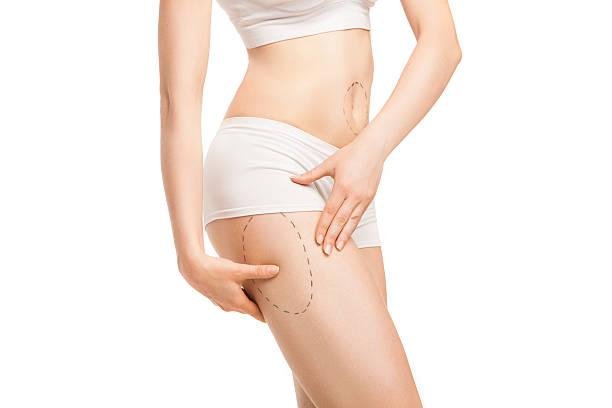
After liposuction, your skin needs time and proper care to adapt to changes beneath the surface. If you have undergone or are considering Liposuction in Riyadh, following appropriate skin-care and aftercare practices can support healing and help you feel more comfortable throughout recovery. Swelling, bruising, sensitivity, and temporary changes in skin texture can occur, so a gentle routine is essential while the treated areas recover.
Keep the Treated Skin Clean
Keeping the treated areas clean is an important part of postoperative skin care. Your surgeon will provide specific instructions about when and how to clean your skin, shower, and care for incision sites. Avoid scrubbing or rubbing areas that are still healing, as excessive friction can irritate sensitive tissues.
Follow Incision-Care Instructions
Liposuction involves small openings through which the treatment is performed. These sites require appropriate care while they heal. Follow your provider's instructions regarding dressings, cleansing, and products that can be applied to the area. Avoid using creams, oils, or other skincare products on healing incisions unless your medical team recommends them.
Protect Your Skin During Recovery
Post-treatment skin may be more sensitive than usual. Protecting it from unnecessary irritation can make the recovery period more comfortable. Choose soft, breathable clothing when appropriate and avoid activities that create excessive friction or pressure on the treated areas.
Be Careful With Sun Exposure
Healing skin can be sensitive to sunlight, and fresh scars may become more noticeable with excessive sun exposure. Once your healthcare provider confirms that the skin is sufficiently healed, ask about appropriate sun protection for the treated areas. Avoid applying sunscreen directly to open or healing incisions unless specifically instructed.
Use Compression Garments as Directed
Compression garments may be recommended after liposuction to provide support and help manage postoperative swelling. If your surgeon recommends one, wear it according to the provided instructions rather than changing the duration or fit yourself. A garment that is excessively tight or uncomfortable should be discussed with your medical team.
Why Proper Fit Matters
Compression should provide appropriate support without causing excessive discomfort, numbness, skin discoloration, or other concerning symptoms. Your provider can advise you about the appropriate garment and how long it should be worn based on your individual treatment and recovery.
Avoid Scratching or Picking
Swelling and changing sensations can sometimes make the treated skin feel itchy, tight, or unusual. Scratching, picking, or aggressively massaging healing areas can irritate the skin and interfere with recovery. If itching becomes persistent or severe, ask your healthcare provider about suitable ways to manage it.
Allow Sensation to Return Naturally
Temporary numbness or tingling can occur after liposuction. Because sensation may be reduced, patients should be particularly careful around heat sources and other potential irritants. Avoid exposing numb areas to very hot water or heating devices that could cause accidental burns.
Stay Hydrated and Eat Nutritiously
Skin health is closely connected to overall nutrition and hydration. Drinking adequate fluids and eating balanced meals containing protein, fruits, vegetables, and other nutrient-rich foods can support your body's normal healing processes. Follow any dietary instructions provided by your healthcare team.
Choose Consistency Over Quick Fixes
There is no need to overwhelm your recovering skin with numerous products or treatments. A simple, gentle routine combined with appropriate medical aftercare is generally more suitable during the initial healing period. Introduce additional skincare products only when your provider confirms they are appropriate.
Avoid Unapproved Treatments
Patients may be tempted to use exfoliants, chemical peels, strong active ingredients, body scrubs, or cosmetic treatments soon after surgery. These may irritate recovering skin or interfere with healing. Before scheduling another aesthetic treatment or applying a new product to the treated area, discuss it with your provider.
Be Cautious With Massage
Massage or lymphatic techniques may sometimes be incorporated into postoperative care, but they should only be performed when recommended by the treating professional. The appropriate timing and technique depend on your procedure and recovery. Avoid deep or forceful massage without medical guidance.
Monitor Changes in Your Skin
Pay attention to how your skin and incision sites change during recovery. Swelling, bruising, firmness, and temporary sensitivity can occur after Liposuction in Riyadh and may gradually improve. Keeping track of your recovery can help you recognize changes that should be discussed with your healthcare provider.
Know the Warning Signs
Increasing redness, worsening pain, unusual drainage, fever, significant skin discoloration, or other unexpected changes should be reported to your medical team. Severe symptoms such as difficulty breathing or chest pain require urgent medical attention. Do not attempt to diagnose a concerning symptom on your own.
Give Your Skin Time to Heal
Post-liposuction skin does not immediately show its final appearance. Swelling and tissue changes can temporarily affect firmness and contour, while the skin gradually adapts. Being patient during this stage is important because judging results too early can create unnecessary concern.
Follow Your Follow-Up Schedule
Follow-up appointments allow your provider to evaluate healing and answer questions about skin texture, swelling, incision sites, and overall recovery. These visits are an opportunity to receive personalized advice about when you can safely resume normal skincare, exercise, and other activities.
Support Your Long-Term Skin Health
Once your provider confirms that recovery is progressing normally, maintaining healthy habits can support your skin and overall appearance. Balanced nutrition, regular physical activity after clearance, adequate hydration, sun protection, and appropriate skincare can all become part of your long-term routine.
Remember That Every Recovery Is Different
Healing can vary according to the treatment area, extent of liposuction, skin characteristics, overall health, and individual healing response. Avoid comparing your recovery directly with someone else's experience. Your surgeon's personalized instructions should take priority over general advice.
Book Your Appointment at Royal Clinic Saudia
If you are considering liposuction and want personalized guidance about skin care, recovery, and aftercare,Royal Clinic Saudia can help you understand the treatment process. Book an appointment to discuss your body-contouring goals and receive professional recommendations tailored to your needs.

 English
 Arabic
 French
 Spanish
 Portuguese
 Deutsch
 Dutch
Dutch
 Italiano
 Russian
 Romaian
 Portuguese (Brazil)
 Tiếng Việt